


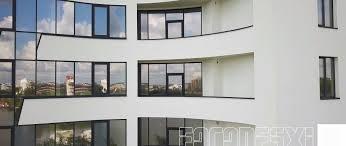
The one-coat stucco system is an advanced exterior wall finishing method that combines strength, efficiency, and aesthetic appeal. Designed to reduce application time while maintaining durability, this system has become a preferred choice for both residential and commercial construction projects.
Introduction
Exterior wall finishes play a crucial role in protecting a structure while also defining its visual appeal. Over time, construction methods have evolved to meet the growing demand for faster installation, long-lasting performance, and cost efficiency. Among these innovations, the one coat stucco system has emerged as a reliable and modern alternative for achieving a strong and attractive exterior finish. This system simplifies the traditional stucco process by reducing multiple layers into a single, reinforced application, without compromising on quality or durability.
What Is a One-Coat Stucco System?
A one-coat stucco system is an exterior wall cladding method that integrates cement plaster, reinforcing materials, and bonding agents into a single application layer. Unlike traditional multi-layer stucco systems, this approach typically combines the scratch and brown coats into one coat, applied over a suitable substrate such as metal lath or insulated panels. A finish coat is then applied to achieve the desired texture and appearance.
The core objective of this system is to streamline installation while ensuring structural integrity and resistance to environmental stresses. It is engineered to provide a balanced combination of flexibility, strength, and weather resistance.
Key Components of the One Coat Stucco System
The performance of a one coat stucco system depends on the quality and compatibility of its components. These typically include:
- Substrate or Sheathing: The base surface that supports the stucco application, ensuring stability and proper adhesion.
- Metal Lath or Reinforcement Mesh: Provides structural reinforcement, helping the stucco resist cracking and improve load distribution.
- Bonding Agents: Enhance adhesion between the substrate and the stucco material.
- Cement-Based Stucco Mix: A specially formulated blend designed for single-layer application, offering strength and durability.
- Finish Coat: The final layer that adds texture, color, and aesthetic appeal while providing additional protection.
Each component works together to create a cohesive system that performs effectively under various environmental conditions.
Installation Process
The installation of a one coat stucco system is designed to be efficient while maintaining professional standards. The general process involves preparing the substrate, installing the reinforcement mesh, and applying the stucco mix in a single, controlled layer. Once the base coat has cured, a finish coat is applied to complete the system.
Proper surface preparation and curing are essential to ensure optimal performance. Skilled application helps minimize cracks, improve longevity, and achieve a uniform appearance. While the process is simplified compared to traditional methods, attention to detail remains critical for long-term success.
Advantages of the One-Coat Stucco System
One of the most significant benefits of a one-coat stucco system is its time efficiency. By reducing the number of application layers, construction timelines can be shortened, allowing projects to progress more quickly.
Another major advantage is cost-effectiveness. Fewer materials and reduced labor requirements often result in lower overall installation costs, making it an attractive option for budget-conscious projects.
The system also offers enhanced durability. Reinforcement materials and advanced stucco formulations help improve resistance to cracking, impact, and environmental wear. Additionally, the one-coat approach provides excellent weather resistance, protecting structures from moisture, heat, and temperature fluctuations.
From a design perspective, the system supports a wide range of textures and finishes, allowing architects and builders to achieve both modern and traditional aesthetics. This versatility makes it suitable for various architectural styles.
Performance and Durability
Durability is a defining characteristic of the one-coat stucco system. The integrated reinforcement and bonding agents help the stucco accommodate minor structural movement without significant damage. This flexibility reduces the likelihood of surface cracks and enhances long-term performance.
The system also contributes to improved thermal performance when used with compatible insulation materials. This can support energy efficiency by reducing heat transfer through exterior walls, creating more comfortable indoor environments.
Maintenance and Longevity
Maintaining a one-coat stucco system is relatively straightforward. Routine inspections help identify minor issues such as hairline cracks or surface discoloration before they develop into larger concerns. Periodic cleaning and prompt repairs can significantly extend the lifespan of the exterior finish.
When properly installed and maintained, a one-coat stucco system can last for decades, providing consistent performance and aesthetic value. Its resilience against weathering and environmental stress makes it a dependable long-term solution.
Sustainability Considerations
Modern construction places increasing emphasis on sustainability, and the one coat stucco system aligns well with this goal. Reduced material usage and faster installation contribute to lower resource consumption. Additionally, cement-based stucco materials are known for their longevity, reducing the need for frequent replacements and minimizing waste over time.
When combined with energy-efficient design strategies, this system can support environmentally responsible building practices while maintaining high performance standards.
Applications and Design Flexibility
The one-coat stucco system is suitable for a wide range of applications, including residential homes, multi-story buildings, and commercial structures. Its adaptability allows it to be used on various substrates and integrated into different architectural designs.
Designers appreciate the system’s ability to replicate classic stucco textures as well as contemporary finishes. This flexibility enables creative freedom while ensuring structural reliability.
Conclusion
The one-coat stucco system represents a practical and efficient approach to exterior wall finishing. By combining strength, durability, and aesthetic versatility into a streamlined application process, it addresses many of the challenges associated with traditional stucco methods. Its advantages in installation efficiency, cost control, and long-term performance make it a valuable solution for modern construction projects.
As building standards continue to evolve, the one-coat stucco system stands out as a dependable choice for achieving durable, attractive, and sustainable exterior finishes without unnecessary complexity.

 English
 Arabic
 French
 Spanish
 Portuguese
 Turkish
 Dutch
Dutch
 Italiano
 Russian
 Romaian
 Portuguese (Brazil)
 Greek
Greek