


When you look at a skyline, you see glass, light, and geometry. But beneath the aesthetic facade lies the true marvel of modern construction: the structural skeleton. The integrity of any building—whether it’s a residential high-rise, a sprawling industrial complex, or a boutique commercial space—relies entirely on the choices made during the engineering phase. The debate between using concrete or steel is not just about cost or availability; it is about physics, environmental impact, and the long-term vision of the project.
At Integra, we understand that every project demands a unique approach. The materials we select determine not just how a building stands, but how it lives, breathes, and endures over time. Choosing the right structural system is the first critical step in turning an architectural sketch into a habitable reality.
The Enduring Legacy of Reinforced Concrete
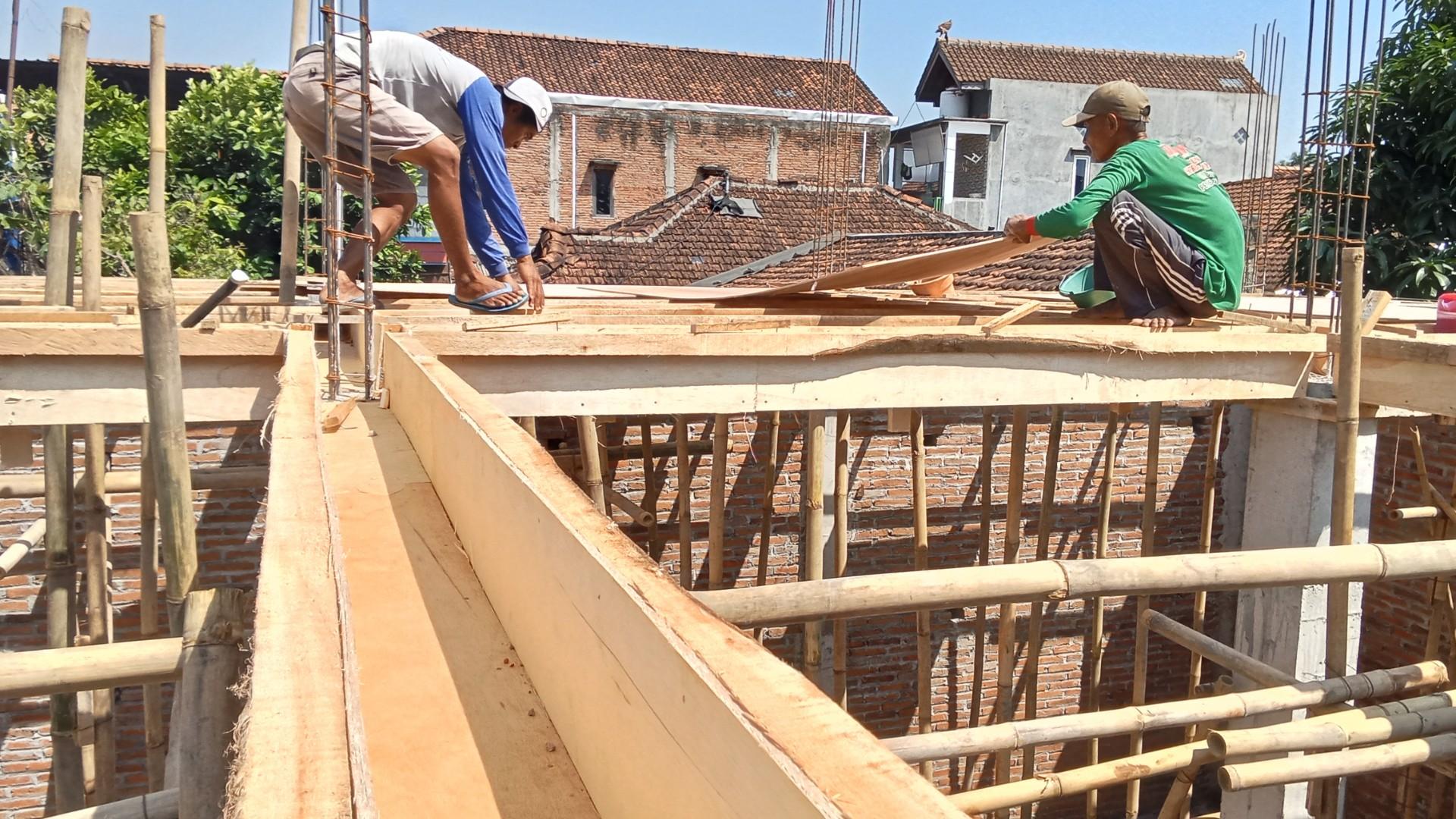
The Design of concrete structures remains a cornerstone of the construction industry because of its incredible versatility and compressive strength. Concrete is effectively liquid stone; it arrives at a site in a fluid state and hardens to take on the shape of whatever formwork is prepared for it. This characteristic allows architects and engineers at Integra to create complex, curvilinear shapes that would be prohibitively expensive or impossible to manufacture with other materials. Beyond aesthetics, concrete provides inherent fire resistance and significant thermal mass, which can help regulate indoor temperatures and improve energy efficiency. For foundations, basements, and lower levels of high-rise buildings, concrete is often the non-negotiable choice due to its ability to bear immense vertical loads. However, modern engineering has moved beyond simple blocks and slabs. Today, we utilize pre-stressed and post-tensioned concrete, which integrates internal steel cables to actively counter loads, allowing for thinner slabs and longer spans without sacrificing safety.
The Engineering Dilemma: How We Choose
Selecting the primary structural material is rarely a black-and-white decision. It involves a complex matrix of variables that our team at Integra navigates with every client. While the specific properties of the materials are paramount, logistical and economic factors also play a massive role in the final recommendation.
Speed of Construction
Time is a currency in construction. If a project needs to be erected rapidly, steel often takes the lead. Steel components are prefabricated off-site in a controlled factory environment. Once they arrive at the construction site, they can be assembled quickly, much like an intricate erector set. This parallel processing—preparing the site while fabricating the frame—can shave weeks or months off a schedule.
Conversely, concrete usually requires a linear process. You must build the formwork, place the reinforcement, pour the concrete, and then wait for it to cure (dry and harden) before you can proceed to the next level. While advancements in precast concrete have sped this up, cast-in-place concrete remains a time-intensive labor of love.
Environmental Considerations
Sustainability is no longer an optional add-on; it is a core requirement. Both materials have complex environmental footprints. Concrete production, specifically cement manufacturing, is traditionally energy-intensive and a significant source of carbon emissions. However, the industry is making strides with "green concrete" that utilizes industrial byproducts like fly ash to reduce cement content. Concrete’s locality is also a benefit; because it is heavy, it is usually sourced locally, reducing transportation emissions.
Steel, on the other hand, is one of the most recycled materials on the planet. A steel beam used in a building today likely contains metal from scrapped cars or demolished buildings from decades ago. At the end of a building's life, 100% of the steel frame can be recycled again. For clients aiming for LEED certification or specific sustainability goals, these lifecycle factors are critical to the design process.
Acoustic and Thermal Performance
The physical density of the material affects the experience of the people inside the building. Concrete is dense and heavy, making it an excellent sound barrier. In multi-family residential projects or hotels, concrete floors effectively stop noise from traveling between units. It also holds heat and cold well, smoothing out temperature fluctuations.
Steel is lighter and conducts heat rapidly. Without proper insulation and fireproofing, a steel structure can be a thermal bridge, leaking heat out of a building. Furthermore, steel buildings can sometimes suffer from floor vibrations if not engineered correctly, requiring additional damping systems to ensure occupant comfort.
Integra’s Approach to Structural Integrity
At Integra, we do not simply follow a template. We believe that structural engineering is an art form grounded in science. Our methodology relies on advanced Building Information Modeling (BIM) software that allows us to simulate stress, load, and environmental forces long before the ground is broken.
We operate with a philosophy of "optimized safety." This means we design structures that meet and exceed all safety codes without over-engineering to the point of financial waste. We look for the sweet spot where material efficiency meets structural resilience. Whether we are retrofitting a historic masonry building or designing a futuristic mixed-use complex, our team collaborates closely with architects to ensure the skeleton supports the artistic vision rather than hindering it.
We also prioritize adaptability. The way we use buildings changes over decades. An office today might be a residential loft tomorrow. By designing flexible grid systems and minimizing intrusive load-bearing walls where possible, we ensure that the structures we build today remain useful for generations.
The Power of Tensile Strength
While concrete excels in compression, the Design of steel structures is unrivaled when it comes to tension and strength-to-weight ratio. Steel allows engineers to span massive distances without the need for intrusive columns, making it the material of choice for open-plan offices, large industrial warehouses, and arenas. Its high ductility—the ability to deform without breaking—is a critical safety feature, particularly in seismic zones where a building must absorb and dissipate energy during an earthquake. At Integra, we leverage steel’s lightweight nature to add verticality to projects where heavy concrete would be impossible, such as adding penthouse levels to existing structures. The precision of steel fabrication means that tolerances are tight, resulting in perfectly plumb and level structures that facilitate the easy installation of facades and glazing systems.
Building the Future on Firm Foundations
The choice between concrete and steel is never just about the materials themselves—it is about the goals of the project. Is the priority a soaring, column-free lobby? A steel frame might be the answer. Is the goal a silent, ultra-efficient apartment complex? Concrete might be the superior solution.
Often, the best answer is a hybrid approach, utilizing the compressive strength of concrete cores with the lightweight span of steel framing. At Integra, our role is to guide you through these decisions, ensuring that the bones of your project are as robust as the vision behind them. We combine technical precision with creative problem-solving to deliver structures that stand the test of time, weather, and use.
If you are ready to discuss the structural needs of your next project, contact Integra today. Let’s build something lasting, together.

 English
 Arabic
 French
 Spanish
 Portuguese
 Deutsch
 Turkish
 Dutch
Dutch
 Italiano
 Russian
 Portuguese (Brazil)
 Greek
Greek