


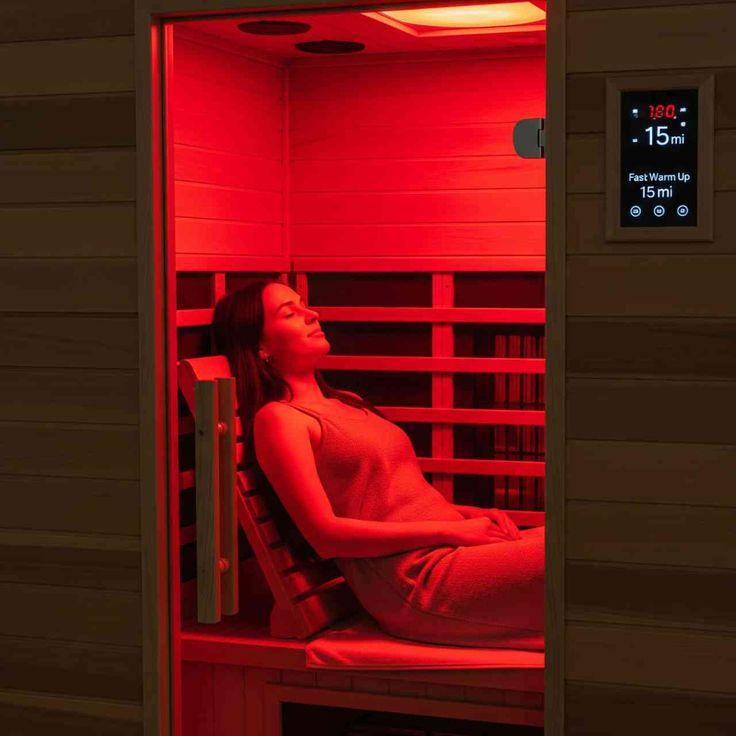
What Is an Infrared Sauna—and Why Is It Everywhere?
Walk into any modern wellness studio today, and you’ll likely find at least one infrared sauna tucked into a quiet corner. Unlike traditional saunas that heat the air around you, an infrared sauna uses light waves to warm your body directly. It’s a subtle difference—but one that changes the entire experience.
Instead of stepping into a room that feels overwhelmingly hot, you’re enveloped in a gentler warmth that penetrates deeper into the skin. For many people, that makes sessions more comfortable and easier to tolerate, especially for longer durations.
But the growing popularity of infrared sauna isn’t just about comfort. It’s about what people believe it can do—from easing muscle tension to improving circulation. The real question is: how much of that is hype, and how much actually holds up in real life?
Let’s unpack it properly.
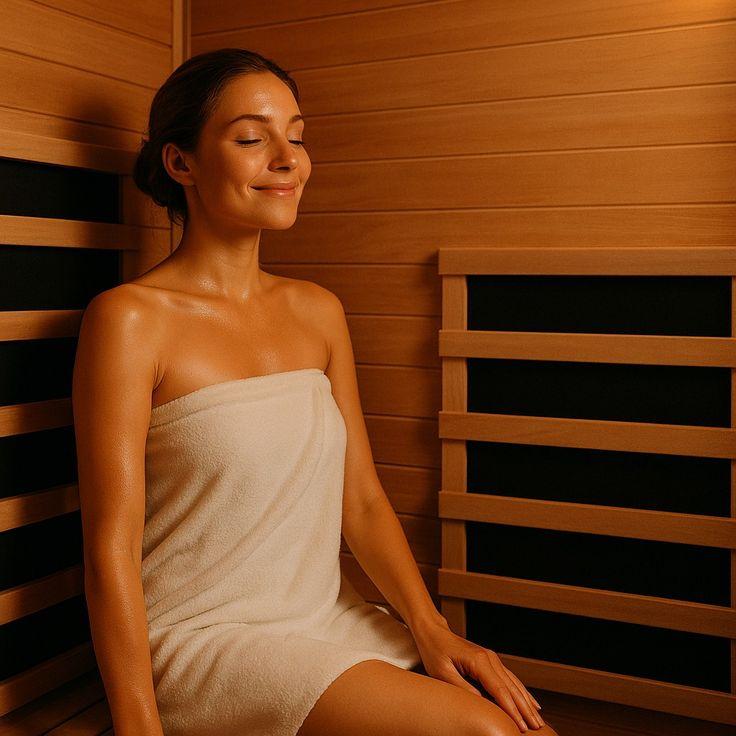
How Infrared Sauna Actually Works
At its core, an infrared sauna relies on infrared light—a type of energy your body naturally absorbs as heat. This light sits just beyond the visible spectrum, which means you don’t see it, but you definitely feel it.
The Key Difference from Traditional Saunas
- Traditional sauna: Heats the air (70–100°C), which then heats your body
- Infrared sauna: Heats your body directly (typically 40–60°C environment)
Because the temperature is lower, you start sweating at a more gradual pace. Many users describe it as a “deep warmth” rather than an intense blast of heat.
Types of Infrared Technology
Not all infrared saunas are built the same. You’ll generally come across:
1. Near-Infrared (NIR)
- Targets the skin’s surface
- Often used for skin-related benefits
2. Mid-Infrared (MIR)
- Penetrates soft tissue
- Associated with muscle relaxation
3. Far-Infrared (FIR)
- The most common type
- Reaches deeper layers and promotes full-body sweating
Each type has its place, but most commercial and home setups rely heavily on far-infrared technology.
Real Benefits of Infrared Sauna (Without the Exaggeration)
There’s no shortage of bold claims online. Some promise detox miracles; others suggest it can replace workouts. Reality sits somewhere in the middle—more grounded, but still meaningful.
1. Muscle Recovery and Pain Relief
If you’ve ever used heat therapy after a workout, you already understand the principle. Heat improves blood flow, which helps deliver oxygen and nutrients to tired muscles.
Infrared sauna simply takes that idea a step further.
People dealing with:
- Post-workout soreness
- Chronic back pain
- Joint stiffness
often report noticeable relief after consistent sessions. It’s not a cure—but it’s a useful tool.
2. Improved Circulation
As your body heats up, your heart rate increases slightly—similar to light exercise. Blood vessels dilate, improving circulation.
This can:
- Support cardiovascular health
- Help your body distribute nutrients more efficiently
Think of it as a gentle nudge for your circulatory system rather than a full workout replacement.
3. Stress Reduction (The Underrated Benefit)
This is where infrared sauna quietly shines.
You’re sitting still. No phone (ideally). No noise. Just warmth.
That combination alone can:
- Lower cortisol levels
- Promote relaxation
- Improve overall mental clarity
Many regular users don’t return for physical benefits—they come back for the mental reset.
4. Skin Health and Glow
Sweating opens up pores and increases blood flow to the skin. Over time, this may help with:
- Mild acne
- Dull skin tone
- Temporary inflammation
However, it’s important to stay realistic—infrared sauna supports skin health, but it won’t replace a proper skincare routine.
5. Potential Support for Detoxification
This is often overstated.
Yes, sweating helps eliminate small amounts of toxins like heavy metals. But your liver and kidneys do most of the heavy lifting.
So instead of viewing infrared sauna as a “detox cure,” think of it as a supportive process, not a primary one.
What a Real Session Feels Like
If you’ve never tried an infrared sauna, the experience can be surprisingly different from what you expect.
- The heat builds slowly
- You may not sweat immediately
- Around 10–15 minutes in, perspiration increases
By the end of a 20–30 minute session:
- Your body feels deeply warmed
- Muscles feel looser
- You may feel slightly fatigued—but in a good way
It’s less intense than a traditional sauna, but often more sustainable for regular use.
How to Use an Infrared Sauna Safely
This is where many people go wrong—either overdoing it or treating it too casually.
Start Slow
If you’re new:
- Begin with 10–15 minutes
- Keep the temperature moderate
Let your body adjust before extending sessions.
Stay Hydrated
You will sweat—a lot.
- Drink water before and after
- Consider adding electrolytes if sessions are frequent
Dehydration is one of the most common issues people face.
Listen to Your Body
If you feel:
- Dizzy
- Lightheaded
- Uncomfortable
Step out immediately. There’s no benefit in pushing through discomfort.
Frequency Matters
A practical routine looks like:
- 2–4 sessions per week
- 20–30 minutes each
Daily use is fine for experienced users—but not necessary for results.
Who Should Be Careful?
Infrared sauna is generally safe for healthy individuals, but some people should take extra caution.
Consult a Professional If You:
- Have cardiovascular conditions
- Are pregnant
- Take medications affecting heat tolerance
- Experience low blood pressure
It’s always better to be cautious than reactive.
Infrared Sauna vs Traditional Sauna: Which Is Better?
This isn’t really a competition—it’s about preference.
| Feature | Infrared Sauna | Traditional Sauna |
|---|---|---|
| Heat Type | Direct (infrared light) | Heated air |
| Temperature | Lower | Higher |
| Comfort Level | Easier for beginners | Intense heat |
| Sweat Style | Gradual, deep | Quick, heavy |
| Experience | Calm, steady | Strong, immediate |
Some people even alternate between the two depending on their mood and goals.
At-Home vs Professional Infrared Sauna
With the rise of home wellness products, many are considering installing an infrared sauna at home.
Home Units
Pros:
- Convenience
- Long-term cost savings
- Privacy
Cons:
- Initial investment
- Space requirements
Professional Studios
Pros:
- High-quality equipment
- Guided experience
- No maintenance
Cons:
- Ongoing cost
- Scheduling limitations
If you’re just starting out, trying sessions at a studio first is usually the smarter approach.
Common Myths About Infrared Sauna
Let’s clear up a few persistent misconceptions.
“It Burns Calories Like Exercise”
You may burn a small number of calories—but it doesn’t replace physical activity.
“More Sweat Means More Detox”
Sweat volume doesn’t directly equal toxin removal. Your body’s detox system is more complex than that.
“Longer Sessions Are Better”
Beyond a certain point, longer sessions add stress rather than benefits.
Making the Most of Your Sessions
A few small habits can make a big difference.
Before Your Session
- Hydrate properly
- Avoid heavy meals
- Wear light, breathable clothing (or use a towel)
During
- Sit or lie comfortably
- Focus on slow breathing
- Avoid distractions when possible
After
- Cool down gradually
- Rehydrate
- Shower to remove sweat residue
Consistency matters more than intensity.
Is Infrared Sauna Worth It?
For the right person, yes—but with realistic expectations.
It’s not a miracle tool. It won’t replace workouts, fix chronic conditions overnight, or transform your health in isolation.
But it can:
- Support recovery
- Reduce stress
- Enhance overall wellness routines
And sometimes, that’s exactly what people need—a steady, reliable addition rather than a dramatic solution.
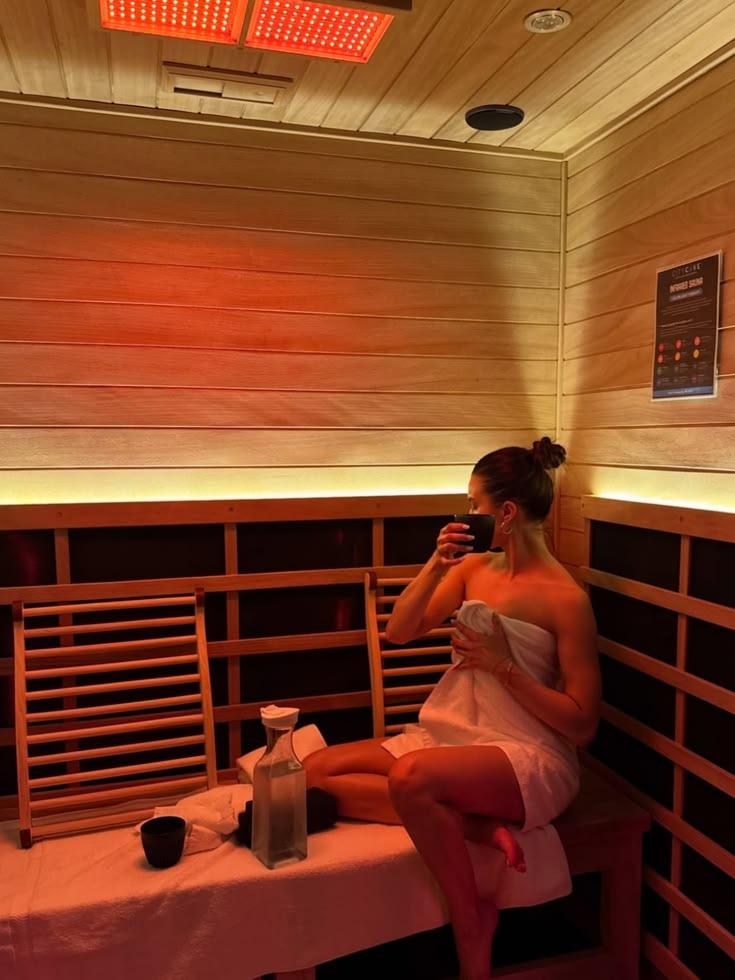
Final Thoughts
Infrared sauna sits at an interesting intersection of science and lifestyle. It offers genuine benefits when used correctly, but it’s often misunderstood due to exaggerated claims.
Approach it with balance.
Use it as a complement—not a replacement—for healthy habits. Pay attention to how your body responds. And most importantly, keep your expectations grounded in reality.
Because when used thoughtfully, infrared sauna isn’t just another wellness trend—it becomes a quiet, consistent part of feeling better over time.

 English
 Arabic
 Spanish
 Portuguese
 Deutsch
 Turkish
 Dutch
Dutch
 Italiano
 Russian
 Romaian
 Portuguese (Brazil)
 Greek
Greek