


Understanding kidney disease and its treatment options is an essential step toward better health and long-term wellness. At NephCure, we are committed to helping patients and families make sense of complex conditions while providing clear, supportive, and trustworthy information.
In this article, we’ll take a closer look at membranous nephropathy treatment, explain minimal change disease treatment, and provide an overview of nephrotic syndrome in a way that is approachable and easy to understand.
Why Treatment Awareness Matters in Kidney Disease
Kidney diseases can be silent in their early stages, often showing minimal or no symptoms. By the time noticeable signs appear, the condition may already be progressing.
That’s why understanding treatment options is so important. At NephCure, we believe that informed patients are empowered patients. Knowing what treatments are available helps individuals take an active role in managing their health and working alongside their healthcare providers.
Understanding Membranous Nephropathy Treatment
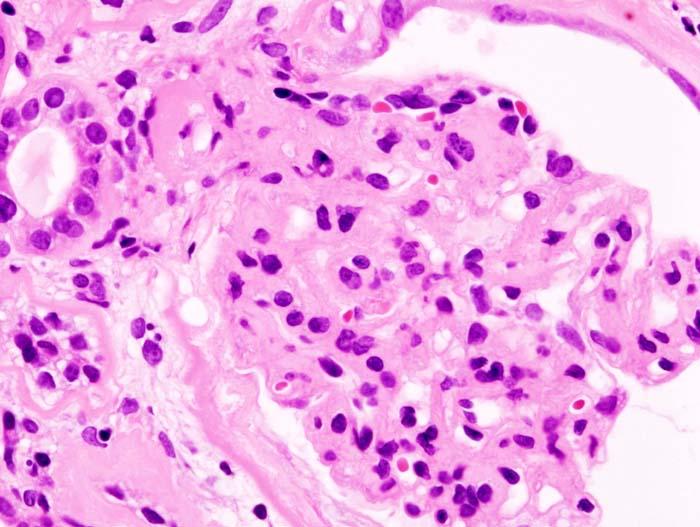
Membranous Nephropathy is a condition that affects the kidney’s filtering units, leading to protein loss in the urine and gradual damage to kidney function.
How Membranous Nephropathy Treatment Works
Membranous nephropathy treatment focuses on protecting kidney function, reducing proteinuria, and addressing the underlying immune response when necessary.
In many cases, treatment begins with supportive care. This includes medications to control blood pressure, which helps reduce stress on the kidneys. Drugs such as ACE inhibitors or ARBs are commonly used to help lower protein levels in the urine.
Monitoring plays an important role in treatment. Some patients may not require immediate aggressive therapy if their symptoms are mild. Instead, doctors may choose a “watch and wait” approach with regular check-ups and lab tests.
For patients with more advanced disease or persistent symptoms, immunosuppressive medications may be recommended. These therapies help reduce the immune system’s attack on the kidneys and prevent further damage.
Lifestyle adjustments are also important. Maintaining a healthy diet, reducing salt intake, and staying active can support overall kidney health and complement medical treatment.
At NephCure, we support ongoing research into membranous nephropathy treatment to help bring more targeted and effective options to patients.
Understanding Minimal Change Disease Treatment
Minimal Change Disease is a common cause of nephrotic syndrome, especially in children. Despite its name, it can have a significant impact on kidney function.
How Minimal Change Disease Treatment Is Managed
Minimal change disease treatment often begins with corticosteroids. These medications are highly effective in many cases and help reduce inflammation and restore normal kidney function.
Most children and many adults respond well to steroid treatment, often experiencing remission within a relatively short period. However, the condition may relapse, requiring repeated or adjusted treatment.
For patients who do not respond to steroids, additional medications may be used. These may include other immunosuppressive therapies that help regulate the immune system and prevent further kidney damage.
Managing symptoms is also a key part of treatment. This includes reducing swelling, controlling blood pressure, and minimizing protein loss in the urine.
Diet and lifestyle support are important as well. A balanced, kidney-friendly diet and regular medical follow-ups can help maintain stability and improve long-term outcomes.
At NephCure, we are committed to supporting research and education around minimal change disease treatment, helping patients access the best possible care.
Understanding Nephrotic Syndrome
Nephrotic Syndrome is not a single disease, but rather a group of symptoms that indicate kidney damage. It occurs when the kidneys leak too much protein into the urine.
Common Features of Nephrotic Syndrome
Nephrotic syndrome is typically characterized by a combination of symptoms, including swelling, especially in the legs, ankles, and around the eyes. This swelling is caused by fluid buildup due to low protein levels in the blood.
Foamy urine is another common sign, indicating high levels of protein being lost through the urine. Fatigue may also occur as the body struggles to maintain balance.
In some cases, individuals may experience high cholesterol levels and an increased risk of infections due to the loss of important proteins.
Because nephrotic syndrome is a group of symptoms rather than a single condition, treatment depends on the underlying cause, such as membranous nephropathy or minimal change disease.
The Connection Between Disease and Treatment
Understanding the relationship between conditions like nephrotic syndrome and treatments such as membranous nephropathy treatment and minimal change disease treatment is key to managing kidney health effectively.
Early diagnosis can significantly improve treatment outcomes. When treatment begins early, there is a better chance of slowing disease progression and preserving kidney function.
Regular monitoring is essential to track progress and adjust treatment plans as needed. This may include blood tests, urine tests, and ongoing evaluations by healthcare professionals.
At NephCure, we encourage patients to stay engaged, ask questions, and actively participate in their care.
How NephCure Supports the Kidney Disease Community
NephCure is dedicated to improving the lives of individuals affected by rare kidney diseases. We provide educational resources, advocate for better treatments, and support research efforts that aim to advance kidney care.
We also work to connect patients with specialists and support networks, ensuring that no one has to navigate their journey alone.
By raising awareness and funding research, we strive to improve treatment options and outcomes for individuals living with kidney disease.
Taking the Next Step
If you or a loved one is dealing with kidney-related symptoms, understanding your condition and treatment options is the first step toward better health.
Learning about membranous nephropathy treatment, exploring minimal change disease treatment, and understanding nephrotic syndrome can help you make informed decisions and work more effectively with your healthcare team.
Always consult with a qualified healthcare professional for diagnosis and treatment recommendations, and consider reaching out to organizations like NephCure for additional guidance and support.
Final Thoughts
Kidney diseases may be complex, but understanding them can make a significant difference. With the right information, patients can take control of their health and move forward with confidence.
At NephCure, we are committed to supporting, educating, and empowering the kidney disease community. Together, we can raise awareness, improve treatments, and create a brighter future for everyone affected by these conditions.

 English
 French
 Spanish
 Portuguese
 Deutsch
 Turkish
 Dutch
Dutch
 Italiano
 Russian
 Romaian
 Portuguese (Brazil)
 Greek
Greek