


Losing a tooth can be more than just a cosmetic concern; it affects how you eat, speak, and feel about yourself. Fortunately, modern restorative dentistry has evolved significantly, offering solutions that look and function like natural teeth. Among these, dental implants have emerged as the gold standard. Whether you are missing a single tooth or require a full-mouth restoration, understanding the process, benefits, and financial considerations is the first step toward a healthier smile. This guide explores everything you need to know about permanent tooth replacement.
What Are Dental Implants?
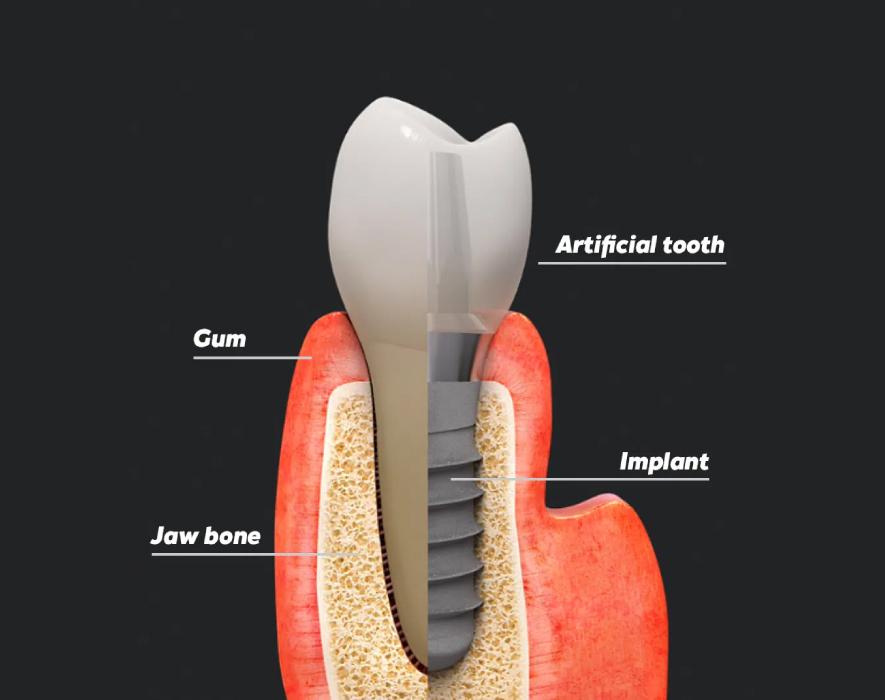
A dental implant is a small titanium post that acts as an artificial root for a missing tooth. Unlike dentures or bridges, which sit on top of the gums or rely on adjacent teeth for support, implants are surgically placed into the jawbone. Over time, the bone fuses with the titanium through a process called osseointegration, providing a rock-solid foundation for a custom-made crown.
This method of implantation dentistry is favored because it prevents bone loss. When a tooth is lost, the jawbone naturally begins to shrink due to a lack of stimulation. Implants provide that necessary stimulation, preserving your facial structure and preventing the "sunken" look often associated with tooth loss.
The Dental Implant Procedure: Step-by-Step
Choosing to undergo a tooth replacement procedure is a journey that requires precision and patience. Here is a breakdown of what you can expect during the process.
1. Initial Consultation and Imaging
Your dentist will conduct a thorough examination, including 3D X-rays or CT scans. This helps determine if your jawbone density is sufficient to support the metal post. If the bone is too thin, a bone graft may be recommended before proceeding.
2. Surgical Placement
Under local anesthesia or sedation, the dentist places the titanium implant into the bone. This is a minor surgical procedure. Once the implant is in place, a healing period of three to six months is typically required. During this time, the bone grows around the implant.
3. Abutment and Crown Attachment
Once healing is complete, a small connector piece called an abutment is attached to the implant. Finally, a handcrafted porcelain crown, matched perfectly to the shade of your surrounding teeth, is secured on top.
Understanding the Financial Investment
When researching tooth replacement, one of the most common questions involves the dental implant cost. It is important to view this not just as an expense, but as a long-term investment in your oral health.
Factors Influencing Price
The total cost of the procedure can vary based on several factors:
-
The Number of Teeth: Replacing a single tooth is different from a full-arch restoration (like All-on-4).
-
Diagnostic Requirements: Scans, X-rays, and specialized surgical guides.
-
Preparatory Procedures: Some patients may require tooth extractions or sinus lifts.
-
Material Quality: The brand of the implant and the material of the crown (zirconia vs. porcelain).
For those looking for world-class care at competitive rates, many people now look toward international options. For instance, the dental implant cost in Pakistan has become an attractive factor for medical tourists and locals alike, offering high-end German or American implant systems at a fraction of the price found in the UK or USA. Similarly, when comparing a dental transplant cost or tooth transplant cost to traditional bridges, the longevity of implants—which can last a lifetime—often makes them the more economical choice over several decades.
Why Choose Implants Over Traditional Bridges?
While bridges are a quicker fix, they require the grinding down of healthy adjacent teeth to serve as anchors. Implants stand alone. They don't compromise the health of your other teeth. Furthermore, because they are anchored in the bone, you don’t have to worry about them slipping or clicking while you eat your favorite foods.
Aftercare: Protecting Your Investment
Maintaining your new smile is remarkably simple. You should treat your implants just like natural teeth:
-
Brush twice daily with a soft-bristled toothbrush.
-
Floss daily using specialized implant floss or an oral irrigator.
-
Routine Checkups: Visit your dentist every six months to ensure the gums around the implant remain healthy.
-
Avoid Smoking: Smoking can interfere with the healing process and increase the risk of implant failure.
Research published by the Journal of Oral Implantology suggests that long-term success is heavily dependent on maintaining excellent oral hygiene to prevent "peri-implantitis," a form of gum disease that can affect the tissue surrounding the implant.
Frequently Asked Questions (FAQs)
1. Is the dental implant procedure painful? Most patients report that the procedure is less uncomfortable than a standard tooth extraction. Local anesthesia numbs the area completely, and any post-operative soreness can usually be managed with over-the-counter pain relief.
2. How long do dental implants last? With proper care and regular dental checkups, the titanium post can last a lifetime. The prosthetic crown may need replacement every 10–15 years due to normal wear and tear, similar to a regular dental crown.
3. Am I a good candidate for implantation dentistry? Most adults in good general health are candidates. The primary requirements are healthy gums and enough bone to support the implant. Conditions like uncontrolled diabetes or heavy smoking may require a more detailed consultation.
4. What is the average dental implant cost? The price varies globally. However, seeking treatment from specialized clinics, such as those run by expert dental surgeons, ensures you get a breakdown of costs including the implant, abutment, and crown without hidden fees.
5. How does the tooth transplant cost compare to dentures? While dentures have a lower upfront cost, they often require adhesives, frequent adjustments, and eventual replacement. Implants offer a permanent solution that prevents the bone loss dentures cannot stop.
Conclusion
Choosing dental implants is a life-changing decision that restores both the function of your bite and the aesthetics of your smile. While the initial investment might seem higher than other options, the durability, comfort, and health benefits of dental implants are unmatched. By working with experienced professionals and understanding the steps involved, you can enjoy a natural-looking smile that lasts for years to come.

 English
 Arabic
 French
 Spanish
 Portuguese
 Turkish
 Dutch
Dutch
 Italiano
 Russian
 Romaian
 Portuguese (Brazil)
 Greek
Greek