


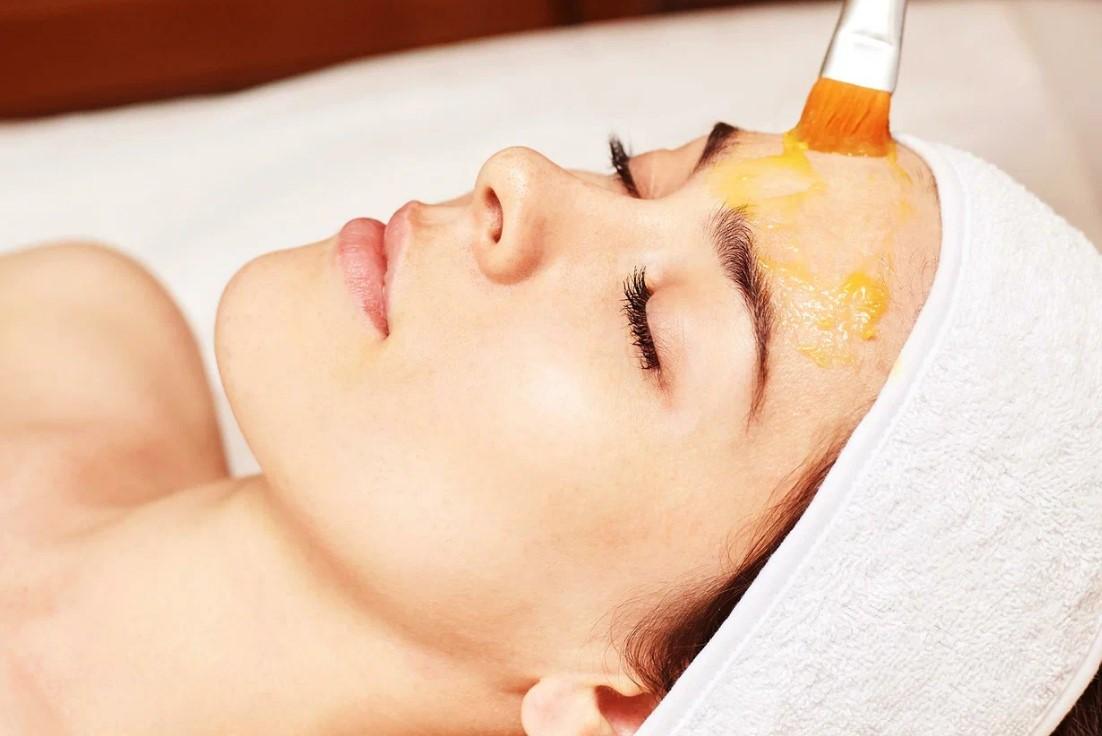
Exfoliation is a key component of effective skincare, helping to remove dead skin cells, unclog pores, and promote a brighter, smoother complexion. Broadly, exfoliation can be categorized into two types: natural (mechanical or enzymatic) and chemical. While both approaches aim to improve skin texture and health, they work in fundamentally different ways, and understanding these differences helps determine when a chemical peel is the most appropriate solution. If you’re looking to rejuvenate your skin, Chemical Peels Riyadh offer an effective solution for treating acne scars, uneven skin tone, and signs of aging.
Natural Exfoliation: Mechanical and Enzymatic Methods
Natural exfoliation generally refers to the use of physical methods or plant-based enzymes to remove dead skin cells. Mechanical exfoliation involves physically scrubbing the skin with granules, brushes, or sponges. Common examples include sugar or salt scrubs, microbead cleansers, and facial brushes. These methods help slough off the stratum corneum, the outermost layer of dead skin cells, creating smoother skin and promoting circulation.
Enzymatic exfoliation, on the other hand, uses natural enzymes derived from fruits like papaya, pineapple, or pumpkin. These enzymes work by gently breaking down the protein bonds that hold dead skin cells together, allowing them to be removed more easily. Enzymatic exfoliants are often milder than mechanical scrubs, making them suitable for sensitive or reactive skin.
Natural exfoliation methods are generally effective for maintaining healthy skin, improving minor dullness, and preventing clogged pores. They are safe for regular use, typically two to three times per week, depending on skin type and sensitivity. However, their effects are usually superficial, affecting only the epidermis, and they may not address deeper skin concerns such as hyperpigmentation, fine lines, acne scars, or severe sun damage.
Chemical Exfoliation and Peels
Chemical exfoliation works differently from natural methods by using acids or other chemical agents to loosen or dissolve the bonds between dead skin cells. Common chemical exfoliants include alpha hydroxy acids (AHAs) like glycolic and lactic acids, beta hydroxy acids (BHAs) like salicylic acid, and polyhydroxy acids (PHAs) such as gluconolactone. These agents can penetrate the epidermis more evenly than physical scrubs, promoting controlled exfoliation without the friction or irritation associated with mechanical methods.
Chemical peels are an advanced form of chemical exfoliation that involve higher concentrations of acids or stronger agents like trichloroacetic acid (TCA) and phenol. Unlike daily or weekly exfoliating products, peels are designed to penetrate deeper layers of the skin, triggering cellular regeneration, collagen remodeling, and even improvement in pigmentation. The depth of the peel—superficial, medium, or deep—determines which skin concerns can be effectively treated. Superficial peels target minor texture issues and pigmentation, medium peels address deeper wrinkles and sun damage, and deep peels can correct pronounced scarring or severe photoaging.
When Natural Exfoliation is Enough
For many people, natural exfoliation is sufficient to maintain a healthy, radiant complexion. Individuals with mild dullness, minor unevenness, occasional breakouts, or normal skin that is generally resilient may benefit from gentle mechanical or enzymatic exfoliation. Natural methods are ideal for those with sensitive skin, as they are less likely to cause chemical irritation or increase photosensitivity. They also work well as part of a regular maintenance routine, supporting the skin’s natural turnover cycle and enhancing the effectiveness of moisturizers and other topical treatments.
When a Chemical Peel is Needed
Chemical peels are appropriate when skin concerns extend beyond the capabilities of natural exfoliation. They are particularly beneficial for:
- Hyperpigmentation: Dark spots, melasma, and post-inflammatory pigmentation often require deeper exfoliation than natural methods can provide.
- Fine Lines and Wrinkles: Superficial to medium peels can stimulate collagen production, improving elasticity and reducing the appearance of fine lines.
- Acne and Scarring: Persistent acne or mild scarring can benefit from medium-depth peels that promote even cell turnover and dermal remodeling.
- Sun Damage: Chronic sun exposure can lead to uneven pigmentation, rough texture, and precancerous lesions, which chemical peels can address more effectively than mechanical scrubs.
- Dull, Thickened Skin: In cases where the skin’s turnover has slowed due to aging or lifestyle factors, chemical peels accelerate regeneration to restore brightness and smoothness.
Balancing Natural and Chemical Exfoliation
For optimal skin health, natural and chemical exfoliation can complement each other. Gentle natural exfoliation maintains a clean, bright surface, while periodic chemical peels address deeper concerns. Importantly, chemical peels require professional assessment and should be spaced appropriately to allow healing. Overuse or combining aggressive chemical peels with harsh mechanical scrubs can compromise the skin barrier, causing irritation, sensitivity, or inflammation.
Conclusion
Natural exfoliation is an excellent tool for ongoing skin maintenance, offering gentle removal of dead cells and improved circulation. However, when skin concerns involve deeper pigmentation, fine lines, scarring, or sun damage, chemical exfoliation and peels become necessary to achieve noticeable results. Choosing the right approach depends on individual skin type, sensitivity, and specific concerns. By understanding the strengths and limitations of both natural and chemical exfoliation, individuals can create a balanced skincare strategy that promotes healthy, radiant, and rejuvenated skin while minimizing the risk of irritation or damage.

 English
 Arabic
 Spanish
 Portuguese
 Deutsch
 Turkish
 Dutch
Dutch
 Italiano
 Russian
 Romaian
 Portuguese (Brazil)
 Greek
Greek