


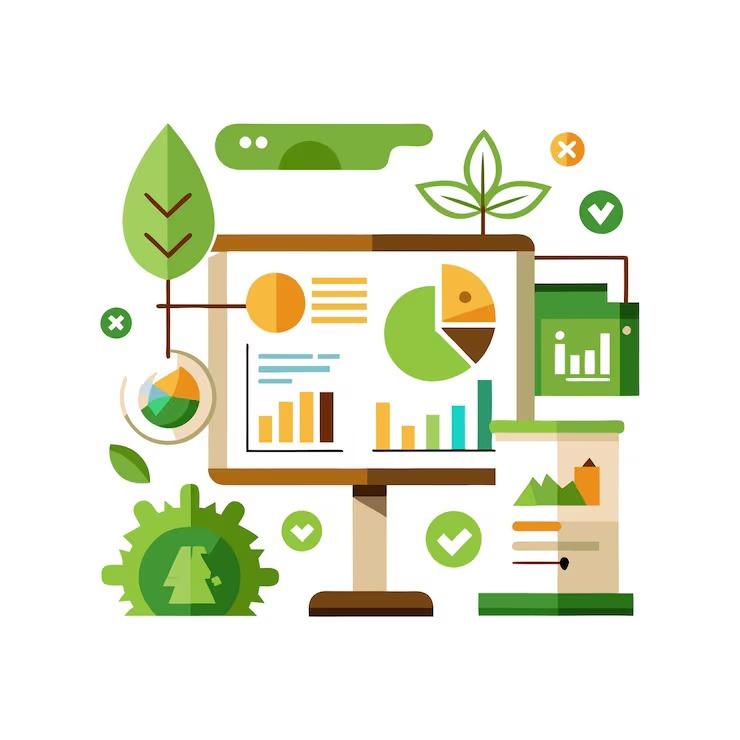
In today’s rapidly evolving corporate landscape, sustainability is no longer a side initiative—it has become a central pillar of long-term success. Investors, regulators, and consumers are demanding greater transparency into how organizations manage environmental, social, and governance (ESG) factors. As a result, businesses are turning to ESG reporting software to streamline, standardize, and strengthen their sustainability efforts.
This powerful technology is reshaping how companies collect, analyze, and disclose ESG data. It not only simplifies compliance but also enables organizations to make smarter decisions, enhance stakeholder trust, and gain a competitive edge.
Understanding ESG and Its Growing Importance
ESG refers to three key areas used to evaluate a company’s ethical impact and sustainability practices:
- Environmental: Carbon emissions, energy use, waste management, and resource conservation
- Social: Employee welfare, diversity and inclusion, community engagement, and human rights
- Governance: Corporate leadership, ethics, compliance, and shareholder rights
Over the past decade, ESG has moved from a niche concern to a mainstream business priority. Governments are introducing stricter regulations, investors are integrating ESG metrics into decision-making, and customers are favoring responsible brands.
However, tracking and reporting ESG data manually is complex, time-consuming, and prone to errors. This is where ESG reporting software becomes essential.
What Is ESG Reporting Software?
ESG reporting software is a digital solution designed to help organizations collect, manage, analyze, and disclose ESG data efficiently. It centralizes information from multiple departments, automates calculations, and ensures alignment with global reporting standards.
Instead of relying on spreadsheets and fragmented systems, companies can use ESG software to create accurate, real-time reports that meet regulatory and stakeholder expectations.
Key Features of ESG Reporting Software
Modern ESG reporting platforms offer a wide range of capabilities that simplify sustainability management:
1. Data Collection and Integration
ESG software gathers data from various internal systems such as HR, finance, operations, and supply chains. It integrates seamlessly with existing tools, ensuring consistent and reliable data flow.
2. Automated Reporting
Automation reduces manual effort by generating reports aligned with major frameworks like GRI, SASB, and TCFD. This ensures compliance while saving time and resources.
3. Real-Time Analytics
Advanced dashboards provide insights into ESG performance, allowing organizations to track progress, identify risks, and make informed decisions quickly.
4. Audit Trails and Transparency
Built-in audit features ensure data accuracy and traceability, which is critical for regulatory compliance and stakeholder trust.
5. Customization and Scalability
Businesses can tailor ESG metrics to their industry and scale the software as they grow, making it suitable for organizations of all sizes.
Benefits of Using ESG Reporting Software
Improved Accuracy and Efficiency
Manual ESG reporting often leads to inconsistencies and errors. Software solutions automate data processing, reducing the risk of inaccuracies and ensuring reliable reporting.
Enhanced Compliance
With regulations constantly evolving, staying compliant can be challenging. ESG software helps organizations align with global standards and avoid penalties.
Better Decision-Making
Access to real-time ESG data enables leaders to identify trends, assess risks, and implement strategies that drive sustainable growth.
Increased Investor Confidence
Transparent and credible ESG reporting builds trust with investors, who are increasingly prioritizing sustainability in their portfolios.
Competitive Advantage
Companies that demonstrate strong ESG performance stand out in the market, attracting customers, partners, and top talent.
Challenges in ESG Reporting Without Software
Organizations that rely on traditional methods face several challenges:
- Data Silos: Information is scattered across departments, making consolidation difficult
- Inconsistent Metrics: Lack of standardization leads to unreliable reporting
- Time-Consuming Processes: Manual data entry and analysis slow down reporting cycles
- Regulatory Risks: Failure to comply with evolving standards can result in legal and financial consequences
ESG reporting software addresses these challenges by providing a unified and automated approach.
How ESG Reporting Software Supports Sustainability Goals
Beyond compliance, ESG software plays a crucial role in advancing sustainability initiatives. It helps organizations:
- Set measurable ESG targets
- Monitor environmental impact, such as carbon emissions and energy consumption
- Track social initiatives like diversity and employee engagement
- Ensure strong governance practices through transparent reporting
By aligning ESG data with business strategy, companies can drive meaningful change and achieve long-term sustainability goals.
Choosing the Right ESG Reporting Software
Selecting the right solution requires careful consideration of several factors:
Ease of Use
The software should have an intuitive interface that allows teams to adopt it quickly without extensive training.
Integration Capabilities
It should integrate seamlessly with existing systems to ensure smooth data flow and minimize disruptions.
Compliance Support
Look for platforms that support multiple reporting frameworks and stay updated with regulatory changes.
Data Security
Since ESG data is sensitive, robust security measures are essential to protect information.
Scalability
Choose a solution that can grow with your organization and adapt to evolving ESG requirements.
The Role of ESG Software in Regulatory Compliance
Governments and regulatory bodies worldwide are introducing stricter ESG disclosure requirements. Companies must provide detailed and accurate reports to demonstrate compliance.
ESG reporting software simplifies this process by:
- Mapping data to relevant frameworks
- Automating disclosures
- Providing audit-ready documentation
This reduces the burden on internal teams and ensures that organizations remain compliant with minimal effort.
The Future of ESG Reporting Software
As technology continues to evolve, ESG reporting software is becoming more sophisticated. Emerging trends include:
Artificial Intelligence and Machine Learning
AI-powered tools can analyze large datasets, identify patterns, and provide predictive insights, helping organizations anticipate risks and opportunities.
Blockchain for Transparency
Blockchain technology can enhance data integrity and traceability, ensuring that ESG information is accurate and tamper-proof.
Real-Time Reporting
Future platforms will enable continuous ESG monitoring, allowing stakeholders to access up-to-date information at any time.
Integration with Financial Reporting
ESG data is increasingly being integrated with financial metrics, creating a more holistic view of business performance.
Why ESG Reporting Software Is No Longer Optional
In an era where transparency and accountability are paramount, ESG reporting software has become a necessity rather than a luxury. Companies that fail to adopt modern tools risk falling behind in compliance, reputation, and competitiveness.
By leveraging ESG software, organizations can not only meet regulatory requirements but also build a sustainable future that benefits all stakeholders.
Conclusion
The rise of ESG reporting software marks a significant shift in how businesses approach sustainability and accountability. It empowers organizations to move beyond manual processes, embrace data-driven decision-making, and demonstrate their commitment to responsible practices.
As ESG continues to shape the future of business, investing in the right reporting software is a strategic move that delivers long-term value. Companies that adopt these solutions today will be better positioned to navigate challenges, seize opportunities, and lead in a world where sustainability is the key to success.

 Arabic
 French
 Spanish
 Portuguese
 Deutsch
 Turkish
 Dutch
Dutch
 Italiano
 Russian
 Romaian
 Portuguese (Brazil)
 Greek
Greek