


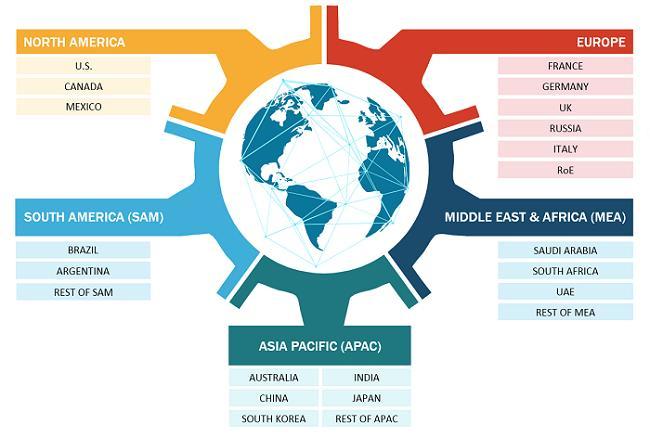
The global specialty chemicals landscape is increasingly defined by the transition toward high-purity, high-performance additives that enhance the efficiency of modern industrial systems. Highly Reactive Polyisobutylene (HR-PIB) stands at the forefront of this shift. Unlike conventional polyisobutylene, HR-PIB contains a significantly higher percentage of terminal vinylidene groups—typically exceeding 80%. This structural "high reactivity" allows for rapid and efficient chemical functionalization, making it the premier feedstock for the next generation of fuel detergents and lubricant dispersants.
According to strategic research from The Insight Partners, the global highly reactive polyisobutylene (HR-PIB) market size is projected to reach US$ 937.87 million by 2034 from US$ 613.71 million in 2025. The market is anticipated to register a CAGR of 4.8% during the forecast period 2026–2034, driven by the evolving technical requirements of the automotive and energy sectors.
Strategic Market Opportunities: The Path to 2034
As global industries pivot toward sustainability and mechanical precision, several high-value "blue ocean" highly reactive polyisobutylene (HR-PIB) market opportunities are emerging for HR-PIB manufacturers.
1. The "Chlorine-Free" Manufacturing Revolution
The most significant opportunity in the current decade is the shift toward environmentally friendly succination processes. Traditional PIB functionalization often involves chlorine, which can lead to equipment corrosion and hazardous waste. HR-PIB allows for a thermal "ene" reaction that is entirely chlorine-free. Companies that can provide ultra-high purity HR-PIB to meet the growing demand for "green" lubricant additives will secure a dominant position in the European and North American markets.
2. High-Performance Synthetic Lubricants for EVs
While Electric Vehicles (EVs) do not require traditional engine oil, they utilize specialized thermal management fluids and high-speed gear oils. HR-PIB serves as an excellent viscosity index improver and base stock modifier for these synthetic fluids. Its exceptional oxidative stability and electrical insulation properties present a massive opportunity to supply the burgeoning EV supply chain with specialized driveline lubricants.
3. Expansion into Medical and Food-Grade Adhesives
HR-PIB is increasingly recognized for its low toxicity and superior barrier properties. A burgeoning opportunity exists in the development of pressure-sensitive adhesives (PSAs) for medical tapes and food packaging sealants. Its ability to remain flexible at low temperatures while maintaining a strong seal makes it an ideal candidate for cold-chain logistics and specialized pharmaceutical packaging.
Download Sample PDF Brochure: https://www.theinsightpartners.com/sample/TIPRE00020158
Strategic Growth Drivers: Catalyzing the CAGR
The significant CAGR forecasted through 2034 is supported by three primary industrial catalysts:
-
Stringent Emission Mandates: Governments worldwide are enforcing Euro 7 and similar standards, necessitating more effective fuel detergents. HR-PIB-based additives are essential for maintaining "keep-clean" and "clean-up" performance in modern high-pressure direct injection engines.
-
The Rise of Downsized, Turbocharged Engines: Modern internal combustion engines operate under higher thermal stress than their predecessors. This environment requires the superior dispersancy and thermal stability provided by HR-PIB-derived succinimides to prevent oil thickening and sludge.
-
Operational Efficiency in Chemical Synthesis: Because HR-PIB reacts more completely and faster than conventional grades, manufacturers can achieve higher yields with lower energy inputs, directly improving the bottom line for additive producers.
Top Key Players in the HR-PIB Market
The following companies represent the current benchmarks for innovation, reactivity standards, and global market reach:
-
BASF SE
-
TPC Group
-
Daelim Co., Ltd. (DL Chemical)
-
Chevron Oronite Company LLC
-
Lubrizol Corporation
-
INEOS Group
-
Kothari Petrochemicals
-
Janex SA
-
RB Products, Inc.
-
PetroChina Company Limited
Conclusion: Strategic Outlook for 2034
By 2034, the HR-PIB market will have matured into a cornerstone of the sustainable additives industry. The expansion during the 2026–2034 period reflects a broader transition: the prioritization of engine longevity and environmentally friendly chemical synthesis. For stakeholders, the greatest potential lies in North America and Asia-Pacific, where the dual expansion of automotive manufacturing and industrial infrastructure is creating a high-volume hub for HR-PIB consumption. Success will depend on the ability to deliver ultra-high reactivity grades that meet the rigorous "chlorine-free" demands of the next decade.
About Us
The Insight Partners is a one-stop industry research provider of actionable intelligence. We help our clients find solutions to their research requirements through our syndicated and consulting research services across sectors including Chemicals and Materials, Automotive, and Technology.
Contact Us
If you have any queries about this report or if you would like further information, please contact us:
-
Contact Person: Ankit Mathur
-
E-mail: sales@theinsightpartners.com
-
Phone: +1-646-491-9876
-
Address: 14th Floor, Amar Paradigm, Baner, Pune – 411045, India.

 English
 Arabic
 French
 Spanish
 Portuguese
 Turkish
 Dutch
Dutch
 Italiano
 Russian
 Romaian
 Portuguese (Brazil)
 Greek
Greek