


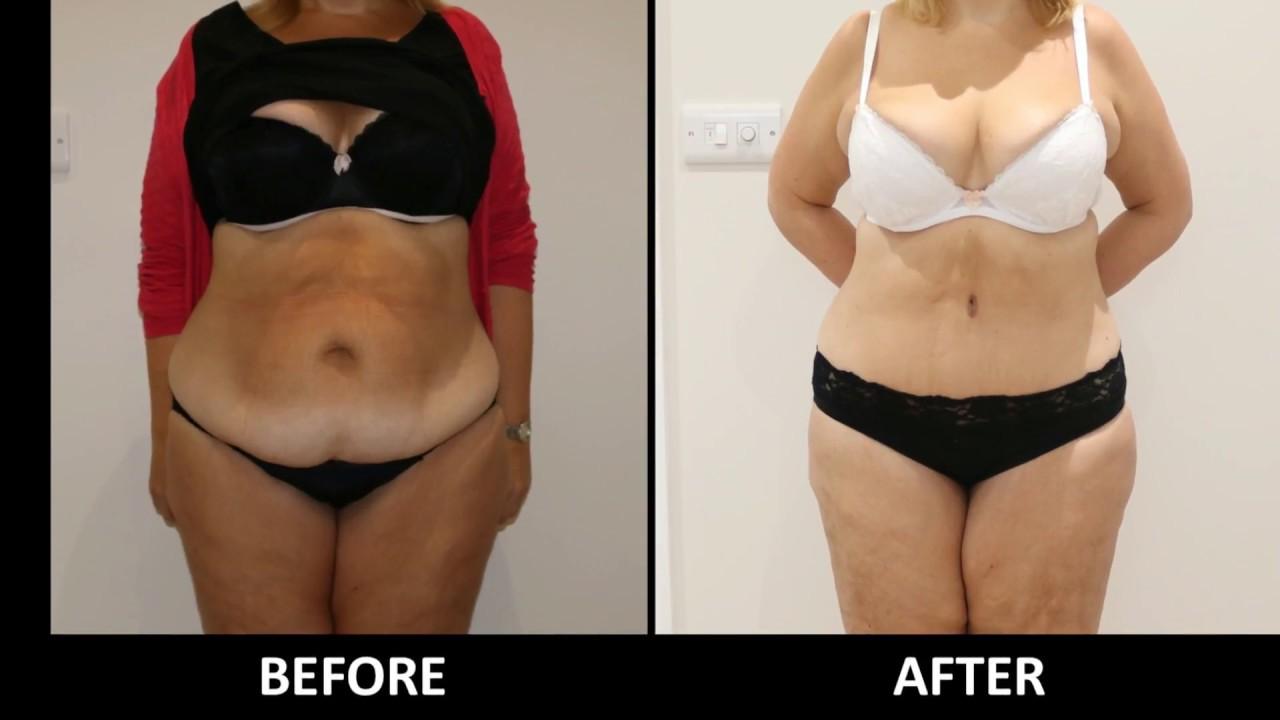
Understanding the Lipo Abdominoplasty Process for Residents of Riyadh
For residents in Riyadh considering comprehensive abdominal contouring, Lipo Abdominoplasty in riyadh—often referred to as a "lipo tummy tuck"—represents an advanced surgical approach. It is designed for those seeking a more defined, sculpted, and flatter midsection than a traditional tummy tuck can provide alone. By combining two distinct techniques, surgeons can address both stubborn fat deposits and skin laxity in a single journey.
The Procedure: What to Expect
Lipo abdominoplasty is a sophisticated, multi-step surgery typically performed under general anesthesia. It is carefully structured to maximize safety and aesthetic results:
-
Liposuction (The Sculpting Phase): The process begins with strategic liposuction. Using thin cannulae, the surgeon removes stubborn fat deposits from the abdomen, flanks, and upper back. This step is crucial for "snatching" the waistline and refining the contours of the torso, creating an athletic silhouette that a traditional tuck cannot achieve.
-
Abdominal Reconstruction (The Tummy Tuck Phase): Once the sculpting is complete, the surgeon performs an abdominoplasty. This involves a horizontal incision, usually placed low along the bikini line, to allow access to the abdominal wall. The surgeon repairs separated or weakened abdominal muscles (diastasis recti), which is common after pregnancy or significant weight loss, effectively creating an "internal corset" for a firmer core.
-
Skin Redraping: The surgeon then excises excess, redundant skin from the lower abdomen and carefully redrapes the remaining skin to create a smooth, taut, and rejuvenated appearance. The navel is typically repositioned to match the new abdominal contour.
The Recovery Timeline: A Gradual Process
Recovery is a progressive phase of healing that requires patience and strict adherence to post-operative guidelines. While immediate improvements are visible, the final, settled results typically mature over several months.
-
Phase 1: Initial Recovery (Days 1–7): The first week is the most demanding. Patients often experience swelling, soreness, and a feeling of tightness. It is normal to walk slightly bent at the waist during this time to reduce tension on the sutures. You will likely be discharged with surgical dressings and instructions on wearing a medical-grade compression garment, which is critical for supporting healing tissues and reducing fluid accumulation.
-
Phase 2: Transition (Weeks 2–4): As the initial discomfort subsides, most patients find they can return to desk-based work and light daily activities. The compression garment remains essential during this phase, and short, gentle walks are highly encouraged to promote healthy circulation and prevent complications.
-
Phase 3: Resuming Activity (Weeks 4–8): Most patients receive clearance for light exercise (such as low-impact walking) by the 4–6 week mark. However, strenuous activities like heavy lifting or high-intensity abdominal workouts must be avoided until the 8-week mark to ensure that the internal muscle repairs are fully protected and stable.
-
Phase 4: Stabilization (3–6+ Months): The majority of residual swelling resolves within three to six months. During this period, the skin continues to conform to the new contours, and the incision scars—though permanent—will continue to mature and fade.
Preparing for Your Journey
Before proceeding, a thorough consultation with a qualified plastic surgeon in Riyadh is essential. They will assess your medical history, skin elasticity, and specific aesthetic goals to create a customized surgical plan. Preparation typically includes:
-
Stability: Achieving a stable weight close to your target range before surgery is key to long-term success.
-
Health Precautions: Quitting smoking and avoiding blood-thinning medications for several weeks prior to surgery are critical steps to promote safe healing.
-
Home Setup: Organizing your recovery space with pillows to keep your upper body elevated and knees bent can significantly improve your comfort during the first few days at home.
By viewing this procedure as a structured investment in your well-being and committing to your surgeon’s post-operative instructions, you can achieve a refined, toned midsection that enhances your body’s natural proportions and boosts your confidence.

 English
 Arabic
 French
 Spanish
 Portuguese
 Deutsch
 Turkish
 Italiano
 Russian
 Romaian
 Portuguese (Brazil)
 Greek
Greek