



What Conventional Loans Actually Mean When You Sit Down
You’ve probably heard the term conventional loans while looking at home loans Houston buyers use every day, but most people walk into that conversation without a clear picture of what they’re agreeing to. That’s not your fault. It’s how the industry talks.
Here’s the straight version: these loans aren’t backed by the government, which means guidelines come from investors, not federal programs. That gives flexibility in some areas, but it also means details matter more than most buyers expect.
Why This Isn’t A One-Size-Fits-All Loan Type
A lot of lenders treat conventional loans like a single box. Either you fit or you don’t. That’s lazy underwriting.
In reality, there are layers — different approval systems, varying tolerance for risk, subtle differences in how income is calculated — and unless someone’s actively working across multiple lenders, you’re only getting one opinion. That’s a problem when you’re trying to lock the best mortgage rates Houston has available.

Credit Score Isn’t The Whole Story — But It’s Close
Everyone fixates on the number. 700, 720, 760. It matters, sure.
But here’s where deals get interesting — two buyers with the same score can get completely different outcomes depending on how their credit is structured. Revolving balances, utilization, even the timing of a payoff can shift pricing. And yeah, sometimes it’s worth waiting a few weeks before locking.
That’s the kind of call you don’t want guessed.
Down Payment Myths That Still Trip Buyers Up
People still think conventional means 20% down. That idea refuses to die.
You can go much lower. Three percent down programs exist. Five percent is common. The tradeoff shows up in mortgage insurance and rate adjustments, so it’s not just about getting in — it’s about how the loan behaves over time. Look, putting a little more down upfront can save a surprising amount monthly.
The Houston Buyer Who Looks Good — Until They Don’t
Here’s a real pattern: W-2 income, decent credit, manageable debt — looks solid at first glance. Then underwriting digs deeper.
Maybe overtime income doesn’t average out cleanly. Maybe bonus income gets excluded. Suddenly the approval tightens. And if that wasn’t caught early, you’re adjusting numbers mid-transaction.
That’s where experienced structuring saves deals.
Why Debt-To-Income Isn’t As Simple As It Sounds
DTI sounds straightforward — income versus debts. But conventional guidelines don’t treat every dollar the same.
Certain income types get reduced. Some liabilities get calculated differently than you’d expect. And if you’re right on the edge, even a small miscalculation can push you out of approval range. Ever wonder why a deal looked fine at pre-approval but got shaky later?
That’s usually why.
This Is Where A Mortgage Lender Either Helps Or Hurts
Once you’re past the halfway point, the mortgage lender you chose starts to show their value — or lack of it.
Because structuring a conventional loan isn’t just plugging numbers into software. It’s knowing how different investors interpret the same file, how to shift a loan from one set of guidelines to another without restarting the process, and when to pivot entirely. A Houston mortgage broker does that in real time. A bank? Not usually.
When Conventional Loans Work Exactly The Way They Should
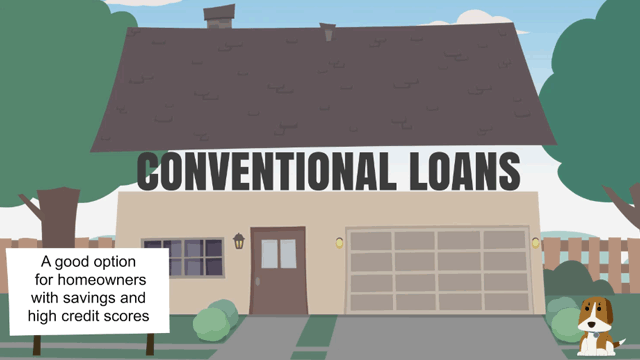
For a straightforward borrower — steady income, clean credit, predictable assets — conventional loans are hard to beat. Lower long-term costs. Flexible terms. Cleaner exit from mortgage insurance.
And when it’s structured right from the beginning, it feels easy. That’s not luck. That’s preparation.
When They Don’t — And What Happens Next
Not every borrower fits neatly into conventional guidelines. That’s normal.
Self-employed borrowers run into this all the time. Tax returns don’t reflect true income, especially if deductions are aggressive. Instead of forcing a conventional approval that won’t hold, Texas Premier Mortgage pivots — maybe to bank statement loans Houston borrowers use without tax returns, or even DSCR loans Houston investors rely on when buying rental properties through an LLC.
Same file. Different angle.
The Broker Advantage Most Buyers Don’t See Coming
Texas Premier Mortgage isn’t tied to one lender’s rulebook. That’s the whole point.
They’re a mortgage broker The Woodlands TX buyers trust because they shop dozens of lenders at once, comparing rate, fees, and approval flexibility simultaneously. That’s how you land on the best structure — not just the first approval. Their UWM Diamond Status isn’t marketing fluff either, it reflects volume and consistency with one of the largest wholesale lenders in the country.
And yes, they answer calls at night. That matters more than you think.
Timing, Communication, And Why Deals Fall Apart Late
A loan doesn’t fail because of one big mistake. It slips because of small ones stacking up — missed conditions, delayed responses, unclear expectations.
That’s where most big banks lose control. Files sit. Questions go unanswered. Meanwhile, your contract deadlines don’t care. Texas Premier’s approach is simple: stay ahead of the file, communicate early, and fix issues before they turn into problems.
That’s the difference between closing and starting over.
What You Should Do Before You Apply Anywhere
Before you commit to a loan type, talk through your full scenario with someone who’s seen every version of this play out in Houston home buying. Not a quick quote. A real breakdown.
Texas Premier Mortgage has been doing this for over 15 years across purchase, refinance Houston TX deals, and everything in between. They’ll tell you straight if conventional loans are the right move — and if they’re not, they’ll pivot fast instead of wasting your time. Call them, text them, reach out when it’s convenient. They’ll answer.
FAQs
Do conventional loans always require 20% down?
No. Many buyers qualify with as little as 3% to 5% down, depending on credit and income structure.
Can I remove mortgage insurance later?
Yes. Once you build enough equity, conventional loans allow you to drop mortgage insurance, unlike FHA in many cases.
Are conventional loans better than FHA loans Houston buyers use?
Sometimes. It depends on your credit, down payment, and long-term plans. One isn’t automatically better.
What if I don’t qualify for a conventional loan?
Then you pivot. Options like FHA, VA loans Houston programs, or bank statement loans may fit better depending on your situation.

 English
 Arabic
 French
 Spanish
 Portuguese
 Deutsch
 Turkish
 Dutch
Dutch
 Russian
 Romaian
 Portuguese (Brazil)
 Greek
Greek