


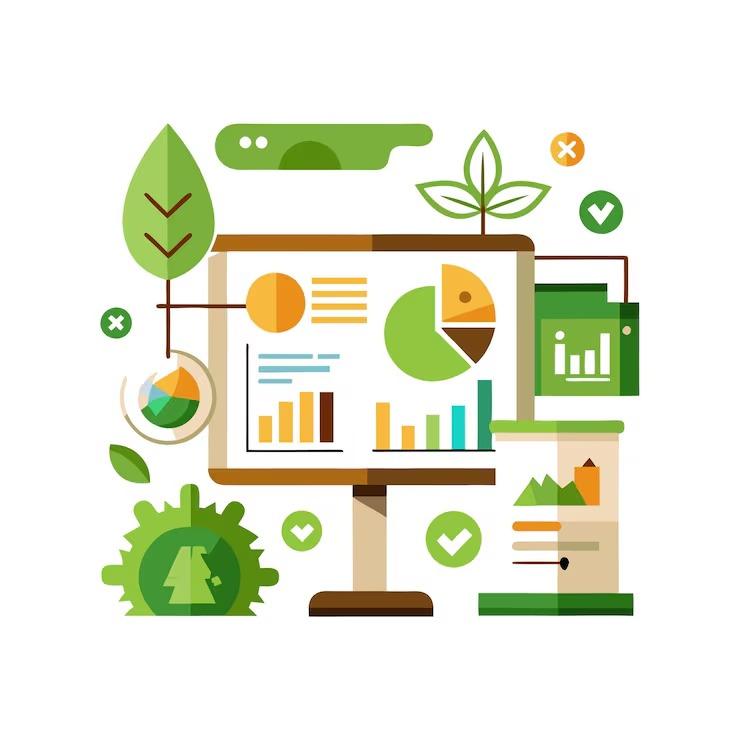
In today’s rapidly evolving business landscape, sustainability is no longer a buzzword—it’s a strategic necessity. Companies across industries are being held accountable not only for their financial performance but also for their environmental, social, and governance (ESG) practices. As stakeholders demand greater transparency, organizations are turning to advanced tools to manage and communicate their impact. At the heart of this transformation lies the ESG reporting platform, a powerful solution designed to streamline sustainability reporting and drive responsible business practices.
Understanding ESG and Its Growing Importance
ESG refers to three critical dimensions used to evaluate a company’s ethical impact and sustainability performance:
-
Environmental: Carbon emissions, energy usage, waste management, and resource conservation
-
Social: Employee well-being, diversity and inclusion, community engagement, and human rights
-
Governance: Corporate ethics, board diversity, compliance, and transparency
Investors, regulators, and consumers increasingly rely on ESG metrics to assess a company’s long-term viability. Organizations that fail to provide clear and accurate ESG data risk losing investor confidence, facing regulatory penalties, and damaging their brand reputation.
What Is an ESG Reporting Platform?
An ESG reporting platform is a digital solution that enables companies to collect, manage, analyze, and disclose ESG-related data efficiently. It replaces outdated manual processes—such as spreadsheets and fragmented systems—with a centralized, automated approach.
These platforms are designed to align with global reporting standards, including frameworks like GRI, SASB, TCFD, and others. By doing so, they help organizations ensure compliance while improving the quality and consistency of their sustainability disclosures.
Key Features of an ESG Reporting Platform
1. Centralized Data Management
One of the most significant advantages of an ESG reporting platform is its ability to consolidate data from multiple sources into a single system. This ensures accuracy and eliminates duplication.
2. Automated Data Collection
Manual data entry is not only time-consuming but also prone to errors. ESG platforms automate data collection through integrations with internal systems, IoT devices, and third-party tools.
3. Real-Time Analytics
Modern platforms provide real-time dashboards and analytics, enabling organizations to track performance and identify areas for improvement instantly.
4. Regulatory Compliance
With constantly evolving ESG regulations, staying compliant can be challenging. ESG reporting platforms are updated regularly to reflect the latest standards and requirements.
5. Customizable Reporting
Organizations can generate tailored reports for different stakeholders, including investors, regulators, and internal teams.
6. Audit Trail and Transparency
A robust ESG platform maintains a clear audit trail, ensuring data integrity and making it easier to verify information during audits.
Why Businesses Are Adopting ESG Reporting Platforms
Increasing Regulatory Pressure
Governments and regulatory bodies worldwide are introducing stricter ESG disclosure requirements. Companies must provide detailed and accurate reports to remain compliant.
Rising Investor Expectations
Investors are increasingly incorporating ESG factors into their decision-making processes. Transparent reporting helps attract and retain investment.
Enhanced Brand Reputation
Consumers prefer brands that demonstrate a commitment to sustainability. ESG reporting platforms help businesses showcase their efforts effectively.
Improved Operational Efficiency
By automating data collection and reporting, companies can reduce administrative burdens and focus on strategic initiatives.
Risk Management
ESG platforms enable organizations to identify and mitigate risks related to environmental impact, social issues, and governance practices.
Challenges in ESG Reporting Without a Platform
Organizations that rely on traditional methods often face several challenges:
-
Data Silos: Information is scattered across departments, making it difficult to consolidate
-
Inconsistent Metrics: Lack of standardization leads to unreliable reporting
-
Time-Intensive Processes: Manual reporting consumes significant time and resources
-
Limited Transparency: Difficulty in verifying and auditing data
An ESG reporting platform addresses these challenges by providing a structured and efficient approach.
How to Choose the Right ESG Reporting Platform
Selecting the right platform is crucial for maximizing the benefits. Here are some factors to consider:
Scalability
Choose a platform that can grow with your organization and adapt to increasing data volumes.
Integration Capabilities
Ensure the platform can integrate seamlessly with your existing systems, such as ERP, HR, and energy management tools.
User-Friendly Interface
A simple and intuitive interface encourages adoption across departments.
Compliance Support
Look for platforms that support multiple ESG frameworks and standards.
Data Security
Given the sensitivity of ESG data, robust security measures are essential.
Vendor Support
Reliable customer support and training resources can significantly enhance the implementation process.
The Role of Technology in ESG Reporting
Technology plays a critical role in advancing ESG reporting capabilities. Emerging innovations are transforming how organizations manage sustainability data:
Artificial Intelligence and Machine Learning
AI-powered ESG platforms can analyze large datasets, identify trends, and provide actionable insights.
Blockchain
Blockchain technology enhances transparency and traceability, ensuring the authenticity of ESG data.
Cloud Computing
Cloud-based platforms offer scalability, flexibility, and remote accessibility.
Internet of Things (IoT)
IoT devices enable real-time monitoring of environmental metrics such as energy consumption and emissions.
Benefits of Implementing an ESG Reporting Platform
Better Decision-Making
Access to accurate and timely data allows leaders to make informed strategic decisions.
Increased Accountability
Clear reporting fosters accountability at all levels of the organization.
Competitive Advantage
Companies with strong ESG performance stand out in the market and attract more opportunities.
Cost Savings
Efficient resource management and reduced manual work lead to significant cost savings.
Long-Term Sustainability
An ESG reporting platform helps organizations align their operations with long-term sustainability goals.
Real-World Applications Across Industries
Manufacturing
Manufacturers use ESG platforms to monitor emissions, optimize energy usage, and ensure compliance with environmental regulations.
Finance
Financial institutions leverage ESG data to assess investment risks and develop sustainable portfolios.
Retail
Retail companies track supply chain sustainability and ensure ethical sourcing practices.
Healthcare
Healthcare organizations use ESG platforms to improve patient care, reduce waste, and enhance governance practices.
The Future of ESG Reporting Platforms
As sustainability becomes a core business priority, ESG reporting platforms will continue to evolve. Future developments may include:
-
Greater Standardization: Unified global reporting standards
-
Enhanced Automation: Fully automated data collection and reporting processes
-
Predictive Analytics: Advanced forecasting capabilities for ESG performance
-
Integration with Business Strategy: ESG metrics becoming a central part of corporate strategy
Organizations that adopt these platforms early will be better positioned to navigate the complexities of sustainability and stay ahead of the competition.
Conclusion
The shift toward sustainable business practices is undeniable, and ESG reporting is at the forefront of this transformation. An ESG reporting platform is no longer a luxury—it’s a necessity for organizations aiming to remain competitive, compliant, and responsible.
By streamlining data management, enhancing transparency, and enabling informed decision-making, these platforms empower businesses to turn sustainability into a strategic advantage. As the demand for accountability continues to grow, investing in a robust ESG reporting platform is one of the most impactful steps a company can take toward a sustainable future.

 Arabic
 French
 Spanish
 Portuguese
 Deutsch
 Turkish
 Dutch
Dutch
 Italiano
 Russian
 Romaian
 Portuguese (Brazil)
 Greek
Greek