


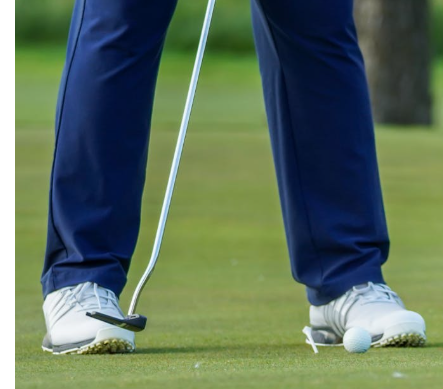
The quest for the perfect golf shoe is a journey that every golfer undertakes, often with mixed results. It's not just about style or brand loyalty; it's about finding that elusive combination of comfort, performance, and durability that can make or break your game. As you stand on the tee, ready to drive down the fairway, the last thing you want is to be distracted by uncomfortable footwear. This article delves into the essential aspects of what makes a golf shoe truly "good," helping you make an informed decision before your next purchase.
The Foundation: Understanding Golf Shoe Anatomy
To truly appreciate what makes a golf shoe exceptional, it's crucial to understand its anatomy. A golf shoe is more than just a piece of footwear; it's a sophisticated piece of equipment designed to enhance your performance on the course. The upper part of the shoe, typically made from leather or synthetic materials, provides the structure and support needed for those long walks between holes. Beneath this, the midsole offers cushioning, absorbing the impact of each step and swing. The outsole, often equipped with spikes or specialized traction patterns, ensures stability during your swing and grip on various terrains.
The heart of a good golf shoe lies in its ability to balance these elements seamlessly. Too much emphasis on one aspect can lead to compromises in others. For instance, a shoe that prioritizes style over comfort might look great but could leave your feet aching after 18 holes. Conversely, a shoe designed solely for performance might lack the aesthetic appeal that many golfers desire. The key is to find a shoe that harmonizes these elements, providing a foundation that supports both your game and your personal style.
Comfort and Fit: The Non-Negotiable Essentials
When it comes to golf shoes, comfort and fit are non-negotiable. A shoe that doesn't fit properly can lead to blisters, discomfort, and even affect your swing. The fit of a golf shoe should be snug but not tight, allowing for natural movement while providing ample support. Many golfers make the mistake of choosing a shoe based on its appearance, only to find that it doesn't suit their foot shape or playing style.
The importance of comfort cannot be overstated. Golf is a game of concentration and precision, and discomfort can be a significant distraction. A well-fitted shoe should feel like an extension of your foot, allowing you to focus on your game rather than your footwear. Consider trying on shoes later in the day when your feet are slightly swollen, as this will give you a more accurate sense of how they will feel during a round of golf. Additionally, pay attention to the width and arch support, as these factors can greatly influence comfort over extended periods.
Traction and Stability: The Game Changers
Traction and stability are critical components of a good golf shoe, directly impacting your performance on the course. The ability to maintain a solid stance during your swing is essential for accuracy and power. Modern golf shoes come equipped with various traction systems, from traditional metal spikes to advanced spikeless designs. Each has its advantages, and the choice often comes down to personal preference and playing conditions.
Spiked shoes offer superior grip, especially in wet or hilly conditions, providing the stability needed for a powerful swing. However, they can be less versatile and may not be suitable for all courses. Spikeless shoes, on the other hand, offer greater flexibility and can be worn off the course, making them a popular choice for casual golfers. Regardless of the type, the key is to ensure that the traction system provides consistent grip without compromising comfort or style.
Durability and Maintenance: Investing in Longevity
A good golf shoe is an investment, and like any investment, it should offer longevity. Durability is a crucial factor to consider, as a shoe that wears out quickly can end up costing more in the long run. The materials used in the construction of the shoe play a significant role in its durability. Leather shoes, for example, are known for their longevity and ability to mold to the shape of your foot over time. Synthetic materials, while often more affordable, may not offer the same level of durability.
Maintenance is another aspect that can extend the life of your golf shoes. Regular cleaning and proper storage can prevent wear and tear, keeping your shoes in top condition for longer. For spiked shoes, it's essential to check and replace spikes as needed to maintain optimal traction. By taking care of your golf shoes, you not only extend their lifespan but also ensure that they continue to perform at their best, round after round.
In conclusion, finding the perfect golf shoe requires a careful consideration of various factors, from comfort and fit to traction and durability. By understanding these elements and how they interact, you can make an informed decision that enhances your game and provides lasting satisfaction. Remember, the right golf shoe is not just about looking good on the course; it's about feeling good and performing at your best.

 English
 Arabic
 French
 Spanish
 Portuguese
 Deutsch
 Turkish
 Dutch
Dutch
 Italiano
 Russian
 Portuguese (Brazil)
 Greek
Greek