


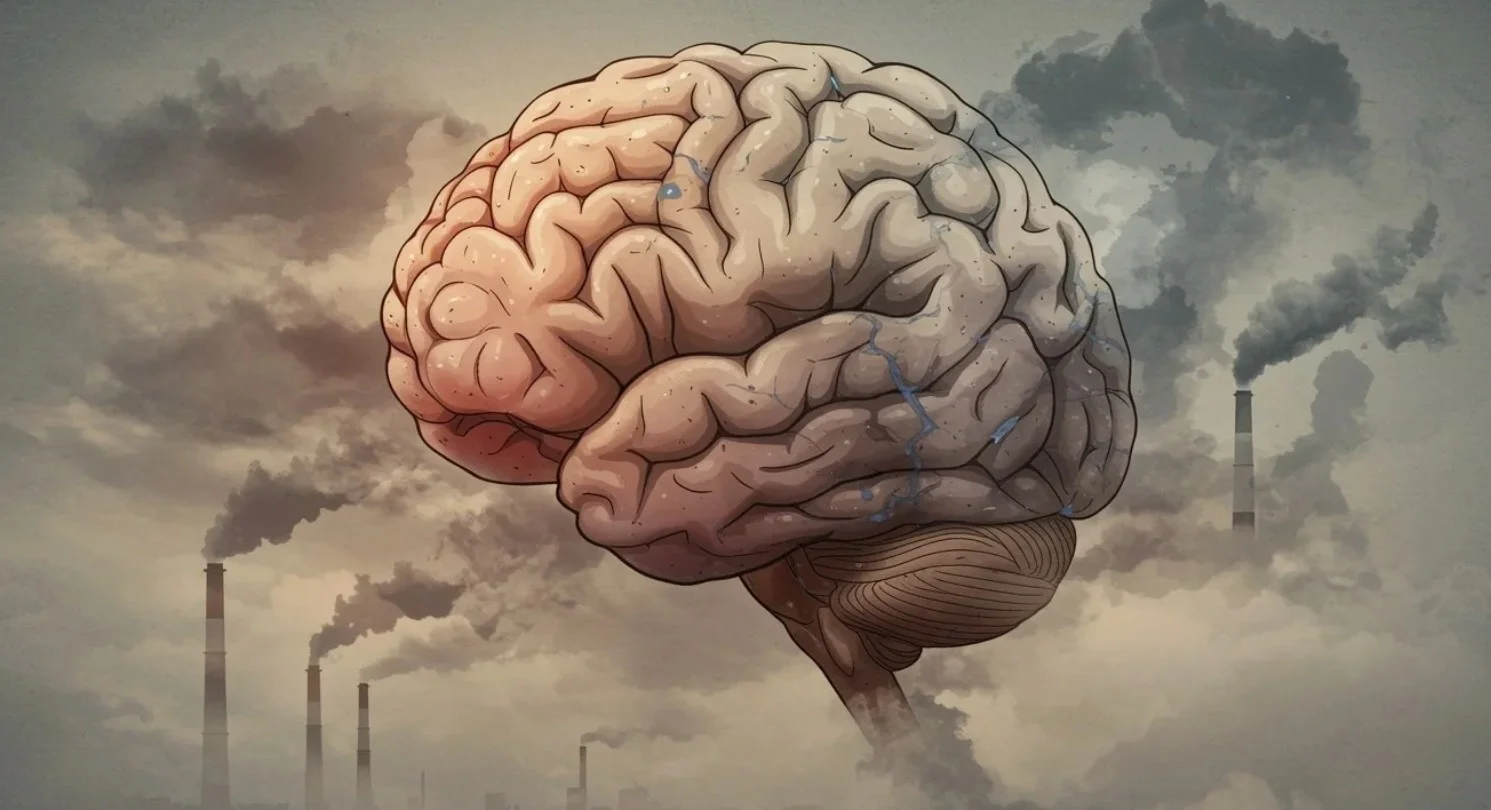
A brain stroke is a serious medical emergency that can occur suddenly and have life-altering consequences. It is one of the leading causes of death and long-term disability worldwide. Understanding the common reasons behind stroke is essential for prevention, early detection, and timely treatment.
At the Neurology and Pain Management Clinic (NPMC), Dr. Gautam Arora, an experienced neurologist, emphasises that awareness of stroke risk factors can significantly reduce the chances of its occurrence. With proper care and lifestyle management, many strokes can be prevented.
What Is a Brain Stroke?
A brain stroke occurs when the blood supply to a part of the brain is disrupted, depriving brain cells of oxygen and nutrients. Within minutes, brain cells begin to die, leading to loss of function.
There are two main types of stroke:
- Ischemic Stroke: Caused by a blockage in a blood vessel supplying the brain
- Hemorrhagic Stroke: Caused by rupture of a blood vessel leading to bleeding in the brain
Both types require immediate medical attention.
Why Understanding Stroke Causes Is Important
Stroke often develops due to underlying health conditions or lifestyle factors. Many people remain unaware of these risks until a stroke occurs. Identifying and managing these factors early can prevent severe complications.
Common Reasons for Brain Stroke
1. High Blood Pressure (Hypertension): High blood pressure is the most significant risk factor for stroke. It damages blood vessels over time, making them more prone to blockage or rupture. Uncontrolled hypertension increases the risk of both ischemic and hemorrhagic strokes.
2. Diabetes: Diabetes affects blood vessels and increases the risk of atherosclerosis (narrowing of arteries). High blood sugar levels damage the vascular system, making stroke more likely.
3. High Cholesterol: Excess cholesterol can lead to plaque buildup in arteries, reducing blood flow to the brain. These plaques can rupture and form clots, leading to an ischemic stroke.
4. Smoking: Smoking damages blood vessels, increases blood pressure, and promotes clot formation. It significantly raises the risk of stroke and other cardiovascular diseases.
5. Heart Diseases: Certain heart conditions, such as atrial fibrillation or irregular heart rhythms, can lead to the formation of blood clots. These clots can travel to the brain and cause a stroke.
6. Obesity and Sedentary Lifestyle: Lack of physical activity and excess body weight contribute to multiple stroke risk factors, including hypertension, diabetes, and high cholesterol.
7. Excessive Alcohol Consumption: Heavy alcohol intake can raise blood pressure and increase the risk of stroke. It may also lead to irregular heart rhythms.
8. Stress and Poor Lifestyle Habits: Chronic stress, poor diet, and lack of sleep can negatively affect overall health and increase stroke risk.
Warning Signs You Should Not Ignore
Recognizing stroke symptoms early can save lives. The FAST method is a simple way to remember the key signs:
- Face Drooping
- Arm Weakness
- Speech Difficulty
- Time to Seek Immediate Help
Other symptoms may include:
- Sudden severe headache
- Vision problems
- Difficulty walking or loss of balance
- Numbness on one side of the body
Immediate medical attention is critical when these symptoms appear.
How to Reduce the Risk of Stroke
Preventing stroke involves managing health conditions and adopting a healthy lifestyle. Dr. Gautam Arora recommends:
- Regular monitoring of blood pressure
- Maintaining healthy blood sugar levels
- Eating a balanced, low-fat diet
- Exercising regularly
- Avoiding smoking and limiting alcohol intake
- Managing stress effectively
- Maintaining a healthy weight
Regular health check-ups play an important role in the early detection of risk factors.
Treatment and Recovery
If a stroke occurs, immediate medical treatment can help restore blood flow and reduce brain damage. The type of treatment depends on the type and severity of the stroke.
After initial treatment, rehabilitation is often necessary to regain lost functions. This may include:
- Physical therapy
- Speech therapy
- Occupational therapy
- Neurological monitoring
Recovery varies from person to person and depends on how quickly treatment was received.
Expert Neurological Care at NPMC
At the Neurology and Pain Management Clinic (NPMC), patients receive comprehensive care for stroke prevention and management.
Under the guidance of Dr. Gautam Arora, the clinic offers:
- Detailed neurological evaluation
- Early identification of stroke risk factors
- Personalized treatment plans
- Preventive care and lifestyle guidance
The focus is on protecting brain health and reducing the risk of serious neurological conditions.
Conclusion
A brain stroke can have devastating effects, but many cases are preventable with the right knowledge and care. Understanding the common reasons behind stroke helps individuals take proactive steps toward better health. Neurology and Pain Management Clinic (NPMC), Dr. Gautam Arora is dedicated to raising awareness, preventing stroke, and providing expert neurological care to ensure better outcomes for patients.

 English
 Arabic
 French
 Spanish
 Portuguese
 Deutsch
 Turkish
 Dutch
Dutch
 Italiano
 Russian
 Portuguese (Brazil)
 Greek
Greek