


Introduction
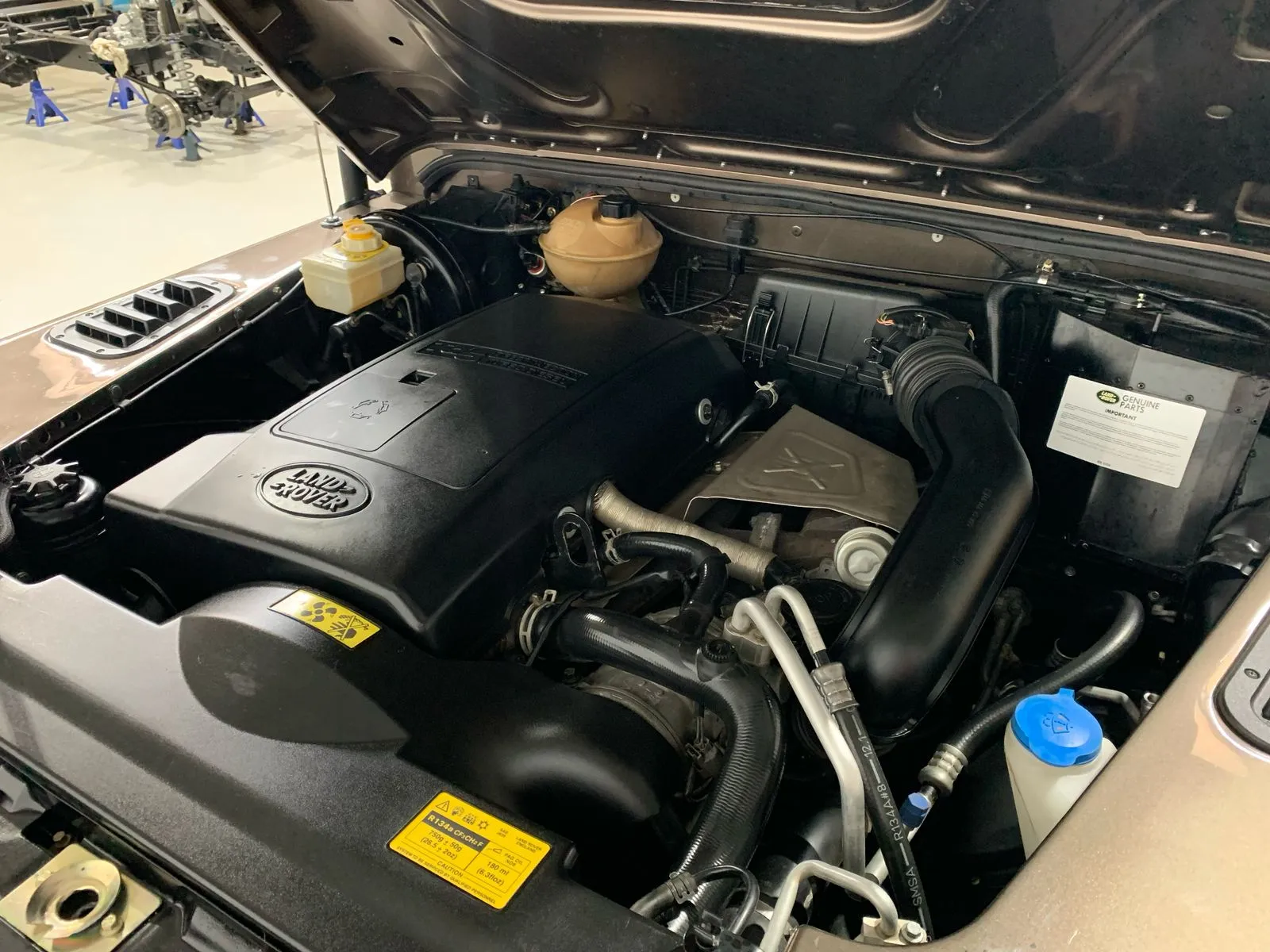
Land Rover, a brand synonymous with luxury, ruggedness, and all-terrain capability, has consistently delivered vehicles that combine off-road prowess with refined engineering. Central to this performance is the Land Rover engine—a perfect blend of power, efficiency, and reliability. Over the decades, Land Rover has continually evolved its engine technology to meet modern demands for sustainability, performance, and driver comfort. This article explores the types, features, and innovations of Land Rover engines.
History of Land Rover Engines
Since its inception in 1948, Land Rover has prioritized durability and off-road capability. The original Land Rover Series I featured a simple 1.6-liter petrol engine derived from the Rover P4. Though modest in power, it was designed for endurance and repairability in rugged conditions.
Over the years, Land Rover expanded its engine lineup, introducing more powerful petrol and diesel engines to cater to both luxury and utility segments. With the rise of technological advancements, modern Land Rover engines now include turbocharging, hybrid technology, and sophisticated fuel management systems.
Types of Land Rover Engines
Land Rover has utilized several engine types over its history, broadly classified as petrol, diesel, and hybrid engines.
1. Petrol Engines
Land Rover’s petrol engines are designed to provide high performance with smooth power delivery. The brand commonly uses Ingenium petrol engines, a family of modular engines engineered for efficiency and reliability. These engines typically feature turbocharging and direct fuel injection, delivering improved fuel economy without compromising performance.
For example, the 3.0-liter inline-six Ingenium engine produces impressive horsepower while maintaining refinement suitable for luxury SUVs. Petrol engines are favored for their quiet operation and high-speed performance, ideal for on-road driving and high-speed touring.
2. Diesel Engines
Diesel engines have long been a hallmark of Land Rover vehicles, especially for off-road and towing capabilities. Modern diesel engines utilize advanced turbocharging and common-rail fuel injection, allowing for high torque at low RPMs—a critical factor for off-road driving and heavy-duty tasks.
The 2.0-liter and 3.0-liter diesel Ingenium engines combine durability with environmental efficiency. Many diesel engines also include mild-hybrid systems, helping reduce emissions and improve fuel economy during city driving.
3. Hybrid and Electrified Engines
To meet the global shift toward sustainable mobility, Land Rover has introduced plug-in hybrid electric vehicles (PHEVs). These engines combine petrol engines with electric motors to provide instant torque, reduce emissions, and improve fuel efficiency.
The P400e is an example of a Land Rover PHEV system that pairs a 2.0-liter petrol engine with an electric motor, delivering around 398 horsepower with zero-emission electric-only driving for short distances. The hybrid technology allows Land Rover to maintain performance while contributing to greener transportation solutions.
Key Features of Land Rover Engines
Land Rover engines are not just about raw power; they incorporate several innovative technologies designed to enhance performance, efficiency, and durability.
1. Turbocharging
Turbochargers are widely used in modern Land Rover engines. By forcing more air into the combustion chamber, turbochargers increase engine power without significantly increasing size or weight. This allows smaller engines to perform like larger ones while maintaining fuel efficiency.
2. Direct Fuel Injection
Direct fuel injection improves combustion efficiency by spraying fuel directly into the combustion chamber. This results in better fuel economy, reduced emissions, and enhanced engine response, making driving smoother and more responsive.
3. Mild-Hybrid and Plug-In Hybrid Systems
Land Rover incorporates 48-volt mild-hybrid systems in several models to support engine efficiency and reduce fuel consumption. Plug-in hybrids, on the other hand, offer electric-only driving and regenerative braking, enhancing eco-friendly operation without sacrificing performance.
4. Advanced Engine Management
Modern Land Rover engines utilize intelligent engine management systems that optimize fuel delivery, ignition timing, and turbo boost based on driving conditions. These systems balance power and efficiency, ensuring the vehicle performs optimally in city traffic, highways, and challenging off-road terrains.
5. Durability and Off-Road Readiness
Land Rover engines are built for longevity and reliability under extreme conditions. Components are engineered to withstand high temperatures, dust, mud, and water exposure. Diesel engines, in particular, deliver high torque at low RPMs, making them perfect for towing and navigating tough terrain.
Common Land Rover Engine Variants
Some popular Land Rover engine variants include:
-
Ingenium 2.0-liter Petrol/Diesel – Modular engines for efficiency and performance.
-
3.0-liter V6 Supercharged Petrol – High-performance engines for luxury SUVs like the Range Rover and Range Rover Sport.
-
5.0-liter V8 Supercharged Petrol – Powerful engines delivering up to 557 horsepower for top-tier models.
-
P400e PHEV – Plug-in hybrid engines combining 2.0-liter petrol with an electric motor.
These engines highlight Land Rover’s commitment to providing options for diverse customer needs—from eco-conscious drivers to high-performance enthusiasts.
Performance and Efficiency
Land Rover engines strike a balance between power, efficiency, and refinement. Turbocharged petrol engines deliver rapid acceleration, while diesel engines offer unmatched torque for towing and off-road excursions. Hybrid engines combine both performance and sustainability, providing instantaneous torque and reduced emissions.
Fuel efficiency varies depending on the engine type, but advanced technologies like start-stop systems, regenerative braking, and cylinder deactivation contribute to better mileage and lower environmental impact.
Maintenance and Longevity
Proper maintenance is critical to ensuring Land Rover engines perform reliably over time. Regular oil changes, timely servicing, and using manufacturer-recommended fuels and lubricants prolong engine life. Land Rover engines are designed for durability, but high-performance variants, especially supercharged petrol engines, require meticulous care to sustain optimal performance.
Future of Land Rover Engines
The future of Land Rover engines is focused on electrification, efficiency, and innovation. The brand is actively expanding its lineup of hybrids and fully electric vehicles. Concepts like the all-electric Range Rover aim to combine the legendary Land Rover off-road capability with sustainable powertrains.
Advancements in battery technology, lightweight materials, and artific

 Arabic
 French
 Spanish
 Portuguese
 Deutsch
 Turkish
 Dutch
Dutch
 Italiano
 Russian
 Romaian
 Portuguese (Brazil)
 Greek
Greek