


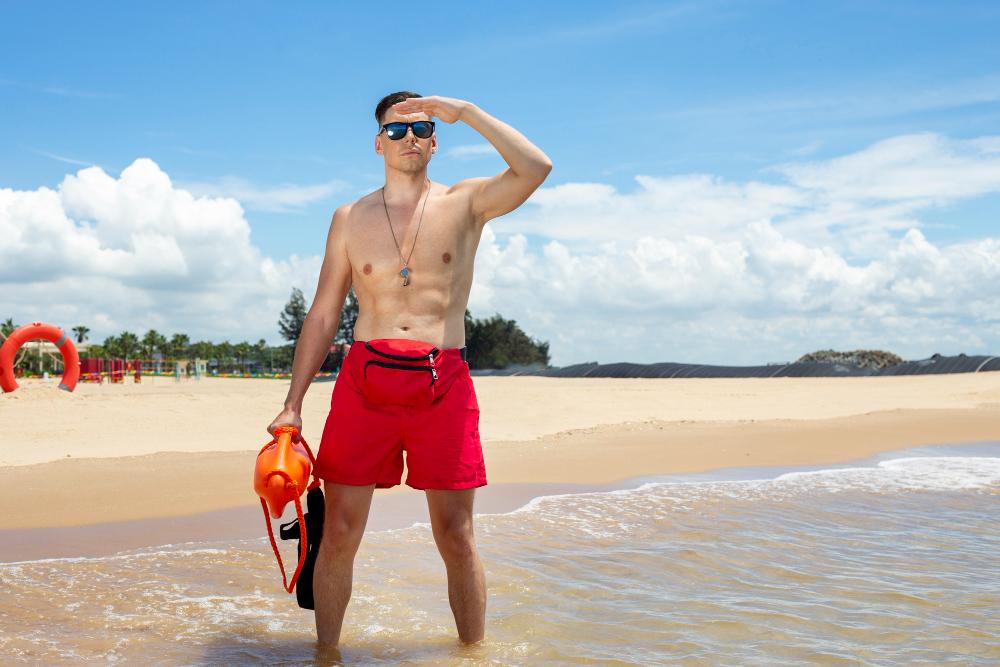
The swimwear for men sector has evolved far beyond the basic boardshort. In 2026, the market is driven by a demand for multi-functional activewear, technical performance, and aesthetic versatility. For B2B buyers—including retail procurement officers, e-commerce brand owners, and hospitality groups—the challenge lies in sourcing products that meet these high expectations while maintaining healthy margins.
In the apparel industry, men’s swim garments often face unique structural stresses. From the high-impact movements of surf gear to the chemical rigors of hotel pools, the "pain points" for B2B sourcing are numerous. This article breaks down the most critical problems in the manufacturing process and provides expert-led solutions to ensure your next collection leads the market.
1. The "Performance Fatigue" Problem: Fabric Recovery
A primary frustration for B2B clients is the loss of shape in swimwear for men after minimal use. Lower-quality polyester or nylon-spandex blends often suffer from "bagging" at the hem or waist, particularly after being wet.
The Solution: Specify high-denier PBT (Polybutylene Terephthalate) or "Extra Life" Lycra blends. These materials offer superior fabric stretch and recovery and are specifically engineered to resist the degrading effects of chlorine and body oils. For B2B buyers, requesting a GSM (Grams per Square Meter) of at least 180–200 ensures the garment maintains its structural integrity through hundreds of wash-and-wear cycles.
2. Sizing Inconsistency and the "Return Rate" Crisis
In the swimwear world, fit is everything. However, many swimwear vendors still struggle with inconsistent size grading across different production batches. A "Large" that fits like a "Medium" is the leading cause of e-commerce returns, which can eat up to 30% of a B2B brand's profit.
The Solution: Move toward 3D Pattern Grading and standardized tech packs. Ensure your swimsuit factory uses digital avatars based on the specific body metrics of your target demographic (e.g., Western vs. Asian sizing). Implementing a rigorous pre-production sample (PPS) phase, where fit is tested on real models in motion, will dramatically reduce the need for customers to "bracket" their purchases.
3. The Durability of Trims and Hardware
Men’s swimwear is often subject to mechanical stress at the closures. A common quality-control failure in garment production is the corrosion of metal eyelets or the snapping of drawcord aglets. For a B2B buyer, a faulty zipper on a rash guard or a rusted eyelet on swim trunks is a sign of poor craftsmanship.
The Solution: Mandate the use of anti-corrosive hardware. Request zippers and eyelets made from plastic polymers or high-grade stainless steel that has undergone a salt-spray test. Furthermore, insist on "bar-tack" stitching at high-stress points like pocket corners and waistbands to prevent tearing during athletic activities.
4. Sustainability: Bridging the Gap for the Eco-Conscious Buyer
In 2026, sustainable fashion is no longer a niche—it is a procurement requirement. The challenge for B2B buyers is finding eco-friendly swimwear for men that doesn't compromise on the technical "hand-feel" or vibrant colorfastness required for beachwear.
The Solution: Pivot to REPREVE® or ECONYL® regenerated fibers. These materials, sourced from post-consumer plastics and ghost fishing nets, provide the same 4-way stretch as virgin nylon. Partnering with a manufacturing hub that utilizes sublimation printing—a waterless process—further enhances your brand’s ESG (Environmental, Social, and Governance) profile while ensuring designs never crack or peel.
5. Supply Chain Agility and Inventory Risks
The seasonal nature of the apparel industry makes lead times critical. A two-week delay in the supply chain can mean missing the peak summer launch. Many B2B buyers find themselves trapped by high Minimum Order Quantities (MOQs) that lead to unsold deadstock at the end of the season.
The Solution: Adopt a "Hybrid Sourcing" model. Partner with high-volume swimwear manufacturers for your core "never-out-of-stock" items, but use custom swimsuit factories with flexible MOQs for trend-based seasonal prints. Utilizing "Greige Goods" (keeping undyed fabric ready) allows for digital printing on demand, cutting lead times from 90 days to as little as 30 days.
Conclusion: Future-Proofing Your Men’s Swimwear Line
Success in the swimwear for men market requires more than a great design; it requires a deep understanding of technical garment manufacturing. By solving the challenges of fabric recovery, sizing accuracy, and hardware durability, you position your B2B business as a premium provider in a crowded market.
As we look toward the future of the swimwear industry, quality and transparency are the ultimate competitive advantages. Focus on building a resilient, tech-driven sourcing strategy today to ensure your collection stands out in the water tomorrow.

 English
 Arabic
 French
 Spanish
 Portuguese
 Turkish
 Dutch
Dutch
 Italiano
 Russian
 Romaian
 Portuguese (Brazil)
 Greek
Greek