


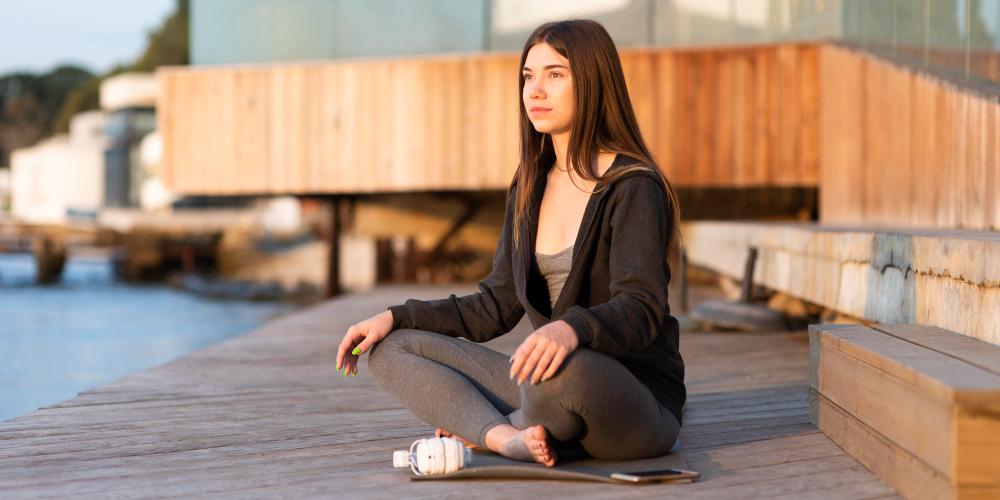
In the high-growth B2B athleisure sector, the yoga pants women category has evolved from a simple gym staple into a highly technical garment requiring precision engineering. For brand owners and private label distributors, the challenge is maintaining a "second-skin" feel without compromising on durability or opacity. When a product fails in the studio, the feedback is immediate and often damaging to a brand’s digital reputation.
If your current inventory is plagued by "see-through" fabrics during deep stretches, waistbands that migrate during movement, or premature pilling, you are dealing with fundamental manufacturing oversights. To establish authority in the premium activewear market, you must solve these technical hurdles during the prototyping and production phases. Below, we address the critical pain points in the women's yoga sector and provide the engineering solutions to fix them.
1. The "Opacity Failure" and the Squat-Proof Standard
The most frequent and brand-damaging issue in the production of yoga pants women is fabric sheerness. Many manufacturers use lightweight single-knit fabrics to achieve a "naked feel," but these textiles often fail the "squat test," becoming transparent when the fibers are stretched to their limit over the glutes.
The Solution: Implement Interlock Knit Construction with a high GSM (Grams per Square Meter). An interlock knit is a double-knit structure that is inherently more stable and opaque than single-jersey fabrics. For professional-grade yoga pants, we recommend a minimum weight of 260 to 300 GSM.
Furthermore, utilizing Dope-Dyed Yarns—where the pigment is added to the polymer melt before extrusion—ensures that the color remains deep and opaque even at maximum extension, effectively solving the "shine" and transparency issues common in piece-dyed fabrics.
2. Solving "Waistband Migration" and Support Instability
Nothing disrupts a yoga flow more than a waistband that constantly rolls down or slips during an inversion. This is usually caused by a failure to account for the "taper ratio" between the waist and the hips or a lack of internal structural reinforcement.
The Solution: Utilize Anatomical Curved Waistband Cutting and High-Tension Power Mesh Inserts. By sandwiching a layer of compression power mesh inside a double-layered high-rise waistband, you create a "stay-put" effect that mimics the body’s natural contours. This internal structure provides the necessary tension to anchor the garment against the torso without the need for restrictive, narrow elastic bands that cause the "muffin-top" effect.
3. Eliminating "Seam Irritation" and Dermal Friction
Yoga involves long holds and repetitive transitions that put immense pressure on the interior seams. Standard overlock stitching creates raised ridges that act like sandpaper against the skin, leading to "friction burn" and distracting the athlete from their practice.
The Solution: Standardize ISO 607 Flatlock Stitching (4-needle, 6-thread) across your production line. This machinery creates a seam that is perfectly flat on both the interior and exterior of the garment.
To further improve comfort, specify the use of Microfiber Textured Polyester Threads. These are significantly softer than standard core-spun threads and have a higher "elongation at break" percentage, allowing the seams to stretch alongside the yoga pants women without snapping or digging into the skin.
4. The "Pilling and Abrasion" Crisis
Activewear is frequently in contact with rubber mats, gym floors, and Velcro from gym bags. Lower-grade nylon/spandex blends often "pill" (form small fiber balls) in high-friction areas like the inner thighs or shins, making the garment look worn out within weeks.
The Solution: Source Air-Jet Textured Yarns (ATY) and implement Anti-Pilling Finishes. ATY fibers have a more durable, cotton-like hand feel while offering significantly higher abrasion resistance than standard smooth yarns. Additionally, requesting a Singeing Process during the fabric finishing stage removes loose surface fibers, preventing pills from forming. Providing your B2B clients with a Martindale Abrasion Test report (aiming for Grade 4 or higher) is a powerful way to justify a premium price point.
5. Managing Moisture and "Sweat-Stain" Visibility
While yoga is often associated with low-impact stretching, "Hot Yoga" and "Power Vinyasa" involve significant perspiration. Many synthetic fabrics trap moisture or show unsightly sweat stains in the crotch and gusset areas.
The Solution: Incorporate Moisture-Wicking Capillary Technology and an Antibacterial Diamond Gusset. A high-quality yoga fabric should be "hydrophilic" on the inside (to pull sweat away from the skin) and "hydrophobic" on the outside (to encourage rapid evaporation). By adding a double-layered, moisture-wicking diamond gusset, you improve breathability and solve the moisture-retention problem, ensuring the wearer stays dry and the garment remains hygienic.
Conclusion
In the professional B2B landscape, success in the yoga pants women category is built on technical integrity. By solving the fundamental issues of opacity, fit stability, seam friction, and fabric durability, you position your brand as an industry leader rather than a fast-fashion follower.
Resilient manufacturing is the ultimate marketing tool. When your products solve the end-user's problems before they even step onto the mat, you transition from a simple vendor to an indispensable manufacturing partner.

 English
 Arabic
 French
 Spanish
 Portuguese
 Deutsch
 Turkish
 Dutch
Dutch
 Italiano
 Russian
 Romaian
 Portuguese (Brazil)