


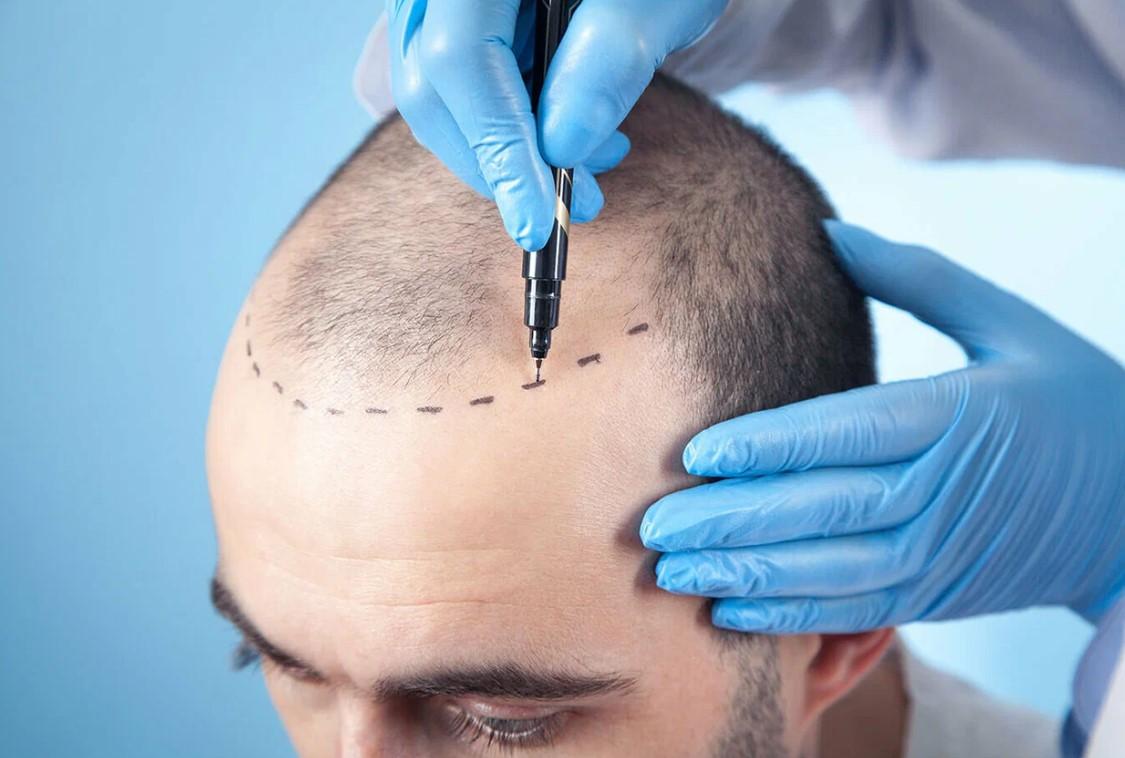
Hair transplantation has emerged as one of the most effective solutions for hair loss, helping many individuals restore confidence and achieve natural-looking hair. While Hair transplantation in Dammam is generally safe when performed by experienced specialists, it is still a surgical procedure, and patients should be aware of potential risks and side effects. Understanding these factors helps individuals make informed decisions and take steps to minimize complications.
Common Side Effects After Hair Transplant
Most side effects following a hair transplant are temporary and manageable with proper care. These include:
1. Swelling
It is common for the forehead and scalp to experience mild swelling after the procedure. Swelling usually appears within the first 2–3 days and subsides within a week. Sleeping with the head elevated can help reduce discomfort.
2. Redness and Irritation
Redness at the recipient and donor areas is normal during the first week. The scalp may also feel tender or itchy as it heals. Avoid scratching or rubbing to prevent damage to transplanted follicles.
3. Scabbing and Crusting
Small scabs form around the newly implanted grafts. These scabs protect the follicles during the early healing process and naturally fall off within 7–10 days.
4. Mild Pain or Discomfort
Some patients experience soreness in both donor and recipient areas. Pain is usually mild and can be managed with prescribed medications or over-the-counter pain relievers.
5. Temporary Shedding
Transplanted hairs often shed within the first few weeks. Known as “shock loss,” this is a normal part of the hair growth cycle, and new hair will typically emerge after several months.
Less Common Side Effects
While rare, certain side effects can occur, especially if proper post-procedure care is not followed:
1. Infection
Hair transplantation is a sterile procedure, but infections can occur if the scalp is not kept clean. Signs of infection include redness, warmth, swelling, and discharge. Prompt medical attention is required to prevent complications.
2. Numbness or Tingling
Some patients report temporary numbness or tingling in the donor or recipient area. This usually resolves within a few weeks to months as nerves heal.
3. Folliculitis
Folliculitis is inflammation or infection of the hair follicles, which can appear as small pimples in the transplanted area. It is generally mild and treatable with topical or oral medications.
4. Poor Hair Growth
Although uncommon, some transplanted follicles may fail to grow due to handling, poor donor quality, or improper implantation technique. This emphasizes the importance of choosing an experienced specialist.
Risks Associated with Techniques
Different hair transplant techniques may carry slightly different risks:
Follicular Unit Extraction (FUE)
-
Tiny dot-like scars may appear in the donor area.
-
Slightly higher risk of follicle transection if the technique is not performed properly.
Follicular Unit Transplantation (FUT)
-
Linear scar at the donor site, which may be visible if hair is kept very short.
-
Longer recovery period compared to FUE.
Choosing the right technique depends on your goals, hair characteristics, and donor area condition. Experienced clinics in Dammam ensure that the selected method minimizes risks while achieving optimal results.
Factors That Increase Risk
Several factors can increase the likelihood of side effects or complications:
-
Pre-existing Medical Conditions: Conditions like diabetes or autoimmune disorders may affect healing.
-
Smoking or Alcohol Consumption: Both can reduce blood flow and impair graft survival.
-
Ignoring Aftercare Instructions: Failing to follow washing routines or post-procedure guidelines can lead to infection or poor results.
-
Excessive Sun Exposure: Direct sunlight in the first weeks can irritate the scalp and damage grafts.
Patients should discuss their medical history, lifestyle, and expectations with their specialist to reduce these risks.
How to Minimize Risks
Taking precautions before and after the procedure significantly improves safety and outcomes:
-
Choose a qualified, experienced hair transplant specialist.
-
Follow all pre- and post-operative instructions carefully.
-
Maintain proper scalp hygiene and avoid touching transplanted follicles.
-
Limit physical activity and avoid strenuous exercise for the recommended period.
-
Protect the scalp from direct sunlight and harsh chemicals.
Proper care ensures a smoother recovery and reduces the chances of complications.
When to Seek Medical Attention
Patients should contact their specialist immediately if they notice:
-
Severe or increasing pain
-
Persistent swelling or redness beyond the first week
-
Signs of infection, such as pus or unusual discharge
-
Excessive bleeding
-
Allergic reactions to medications or topical solutions
Prompt intervention can prevent minor issues from becoming serious complications.
Final Thoughts
Hair transplantation in Dammam is generally safe, with most side effects being mild and temporary. Understanding the potential risks and following expert guidance ensures optimal recovery and long-term results. Patients who take proper precautions, maintain healthy scalp care, and choose experienced specialists enjoy natural-looking, lasting hair restoration outcomes.
For individuals seeking guidance on hair transplant safety, potential side effects, and expert care, Aesthetic Clinic Riyadh provides professional support to help patients make informed decisions and achieve the best possible results.

 English
 Arabic
 French
 Spanish
 Portuguese
 Deutsch
 Turkish
 Dutch
Dutch
 Italiano
 Russian
 Romaian
 Greek
Greek