


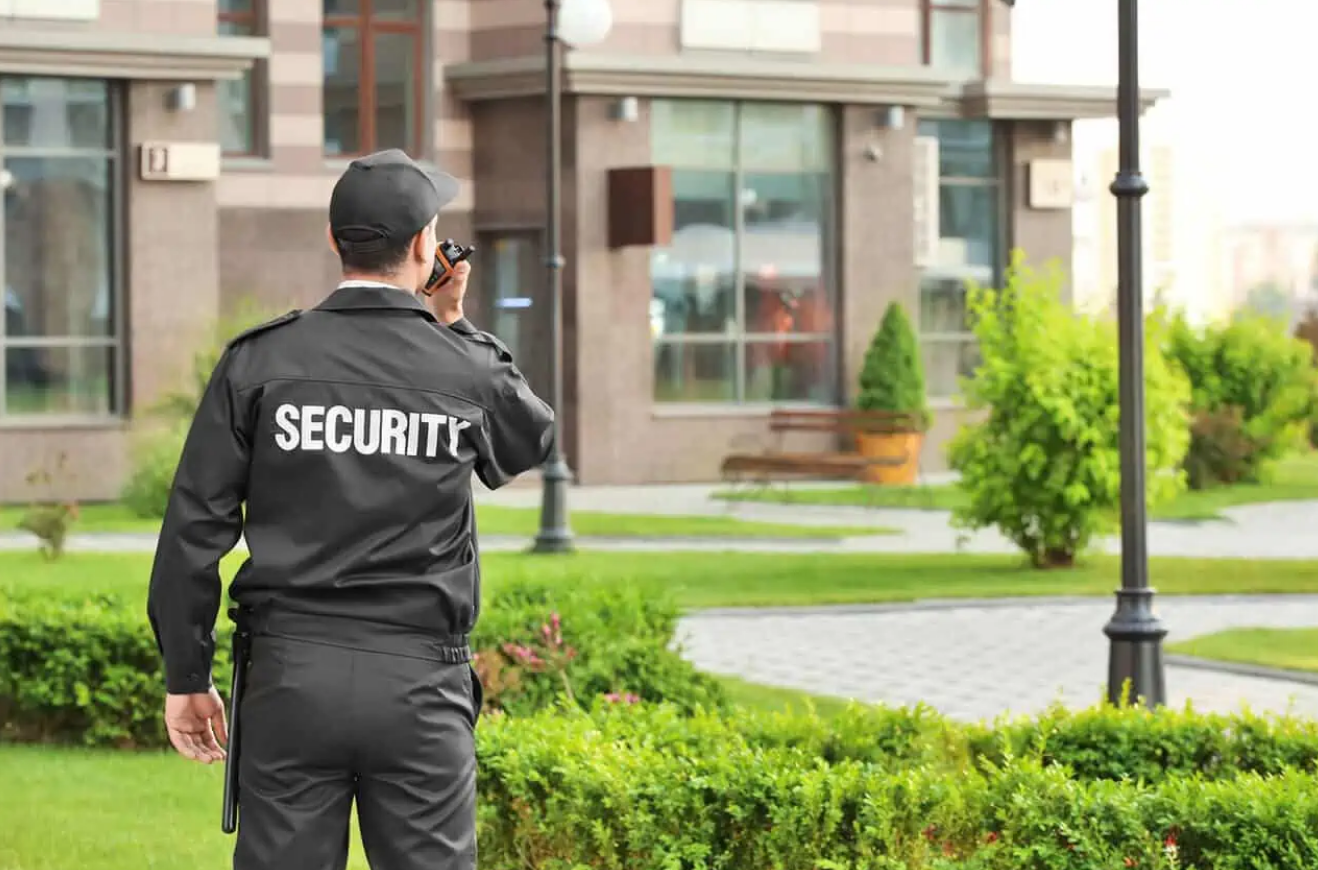
In the prestigious neighborhoods of Manhattan, the presence of uniformed personnel at a building’s entrance is more than just a luxury—it is a cornerstone of New York living. However, for those looking to hire or move into these high-end properties, there is often confusion regarding the specific responsibilities of the staff. Understanding the distinction between a doorman and a professional guard is essential for maintaining both property value and resident safety.
What You Should Know is that while both roles involve managing the building’s threshold, their primary objectives, training, and daily tasks are fundamentally different. When looking for security guard services in Upper East Side, NY, it is crucial to recognize whether your property requires a hospitality-focused presence or a specialized protection detail.
The Doorman: The Face of Luxury and Hospitality
A doorman is primarily a hospitality role. In the Upper East Side, a doorman acts as the building’s "ambassador." Their presence is designed to provide convenience and a high-end service experience for residents and their guests.
Primary Responsibilities of a Doorman:
- Service and Convenience: They open doors, hail taxis, assist with heavy grocery bags, and manage luggage.
- Package Management: They receive, log, and store deliveries from couriers, ensuring residents get their parcels promptly.
- Visitor Greeting: They provide a warm welcome to guests and notify residents of arrivals.
- Property Aesthetics: They often maintain the cleanliness of the lobby and the immediate sidewalk area.
While a doorman provides a level of "passive security" by knowing the faces of the residents and noticing strangers, they are generally not trained in defensive tactics, emergency response, or tactical surveillance.
The Security Guard: The Pillar of Safety and Protection
Unlike a doorman, a security guard is a specialized professional whose primary mission is risk mitigation and asset protection. In high-stakes environments, buildings often supplement their staff with security guard services in Upper East Side, NY, to handle threats that a doorman is not equipped to manage.
Companies like Sylver Protections Inc provide personnel who are trained to handle everything from unauthorized intrusions to emergency medical situations.
Primary Responsibilities of a Security Guard:
- Active Monitoring: Using CCTV systems and perimeter patrols to identify suspicious activity before it reaches the lobby.
- Access Control: Strictly enforcing identification protocols for vendors, contractors, and visitors to prevent unauthorized entry.
- Emergency Response: Acting as first responders during fires, medical emergencies, or security breaches.
- Conflict De-escalation: Handling aggressive individuals or protestors with professional, non-violent intervention techniques.
Key Differences: Training and Legal Requirements
The difference in roles is most apparent in the training required. In New York State, security personnel must be licensed and undergo specific training modules.
Feature Doorman Security Guard
Focus Resident Service & Hospitality Safety & Asset Protection
Training On-the-job/Customer Service NYS Security Licensing & Tactical Training
Equipment Keys, Package Logs, Communication Radios, Surveillance Tech
Emergency Role Evacuation assistance, Active threat neutralizer, & Incident Command
For those seeking residential security solutions in Manhattan, the level of expertise provided by a licensed guard is indispensable for high-profile individuals or buildings with specific vulnerabilities.
The Concept of Hybrid Security
In many modern Upper East Side residences, the line between these two roles is blurring. Property managers are increasingly looking for professional protection officers who possess the "soft skills" of a doorman but the "hard skills" of a guard.
This "concierge security" approach ensures that residents feel welcomed while remaining safe. High-end protective services for luxury real estate focus on personnel who can switch seamlessly between opening a door for a resident and identifying a potential security breach in a crowded lobby.
Why Upper East Side Residents Need Both
The Upper East Side is a unique environment where privacy is a premium commodity. The density of high-net-worth individuals makes these residences potential targets for theft or unwanted media attention.
- Crime Deterrence: While a doorman is a friendly face, a uniformed guard from a reputable firm like Sylver Protections Inc acts as a visual deterrent to criminal activity.
- Liability Reduction: Having trained on-site security personnel can often reduce insurance premiums for a building association by demonstrating a commitment to professional risk management.
- Specialized Knowledge: Guards are often trained in Fire Life Safety (FLS) protocols, which are vital for the complex layouts of historic Manhattan buildings.
Making the Right Choice for Your Property
Choosing between a doorman and a guard depends on the specific needs of the building. If the goal is strictly to improve the resident experience and handle mail, a doorman is the traditional choice. However, if there are concerns regarding unauthorized access, stalking, or general neighborhood safety, investing in private security for apartment complexes is the more prudent path.
When evaluating armed and unarmed guard options, it is important to consult with experts who understand the local landscape of New York City. Effective security isn't just about standing at a post; it's about intelligence, observation, and the ability to act decisively under pressure.
Conclusion: Balancing Comfort and Safety
In the heart of Manhattan, the "doorman vs. guard" debate isn't necessarily about choosing one over the other—it's about understanding how they complement each other. A doorman makes a building feel like a home, while a security guard ensures that the home remains a sanctuary.
By integrating professional man-guarding services with traditional concierge roles, Upper East Side residences can achieve the gold standard of urban living: absolute luxury backed by uncompromising safety.

 English
 Arabic
 French
 Portuguese
 Deutsch
 Turkish
 Dutch
Dutch
 Italiano
 Russian
 Romaian
 Portuguese (Brazil)
 Greek
Greek