


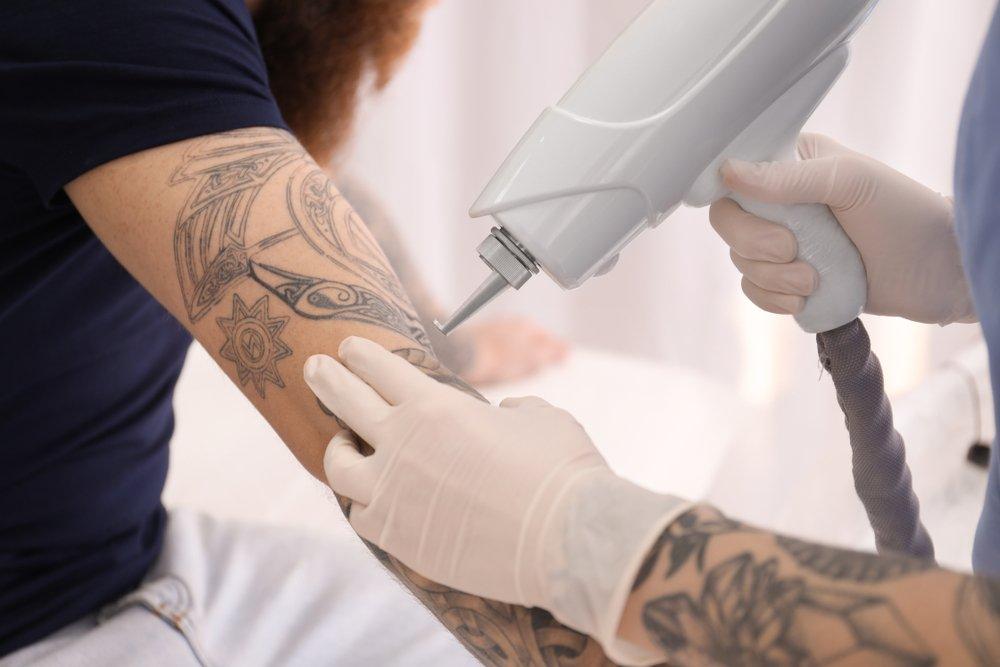
Cosmetic tattoos, also known as permanent makeup, include eyebrow microblading, eyeliner, lip liner, and full lip or eyelid pigmentation. While originally intended to enhance facial features, many people in Riyadh seek removal due to fading, dissatisfaction with the shape or color, changes in style preference, or reactions to the pigment. Removing cosmetic tattoos is different from removing traditional body tattoos because the ink is usually applied more superficially, the skin is more delicate, and precision is required to avoid visible scarring or pigment changes.
Permanent tattoo removal in Riyadh offers advanced laser treatments designed to safely fade and eliminate unwanted ink with minimal downtime.
Why Cosmetic Tattoo Removal Is Unique
Cosmetic tattoos differ from traditional tattoos in several ways:
-
Location and Sensitivity – Cosmetic tattoos are applied on the face, which has thinner and more sensitive skin than the arms, back, or legs. Eyelids, lips, and eyebrows are particularly delicate areas.
-
Pigment Composition – Permanent makeup inks are often organic or mineral-based and may fade or change color over time, sometimes turning orange, blue, or gray.
-
Depth of Ink – Cosmetic tattoo ink is usually placed closer to the epidermis, which can make removal slightly easier in some cases but increases the risk of skin texture changes or scarring if aggressive methods are used.
-
Aesthetic Considerations – Facial symmetry and appearance are critical. Even minor scarring, lightening, or uneven results can be highly noticeable.
Because of these factors, removal techniques must be precise, controlled, and tailored to the individual.
Laser Removal for Cosmetic Tattoos
Laser tattoo removal is the preferred method for cosmetic tattoos in Riyadh. Advanced lasers, such as Q-Switched and picosecond lasers, are used to target pigment without harming surrounding skin. The laser breaks down pigment particles, which are then naturally cleared by the body’s immune system.
Advantages
-
High precision: Lasers can treat small areas like eyebrows or eyeliner accurately.
-
Safe for delicate skin: When used correctly, lasers minimize the risk of scarring.
-
Adjustable wavelengths: Different colors respond to different laser wavelengths, allowing targeted removal of blue, black, or red pigments commonly used in cosmetic tattoos.
-
Gradual improvement: Multiple sessions gradually fade pigment, allowing for controlled removal with minimal aesthetic disruption.
Considerations
-
Multiple sessions are required: Depending on pigment color and depth, 3–8 sessions may be needed.
-
Color changes may occur: Some pigments, particularly red or yellow tones, may lighten or temporarily turn darker before fading.
-
Discomfort: Laser treatment can be uncomfortable, though clinics in Riyadh offer topical anesthetics and cooling devices to reduce pain.
Alternative Removal Methods
While laser removal is the standard, there are other options occasionally used:
-
Saline Tattoo Removal – A solution is tattooed into the pigment area to lift ink to the surface. It can work for delicate cosmetic tattoos but is generally slower and less predictable than laser treatment.
-
Glycolic or Acid-Based Removal – Some aesthetic clinics offer chemical methods, but these are limited in effectiveness and carry higher risks of irritation, scarring, or uneven results.
-
Surgical Excision – Rarely used for cosmetic tattoos, surgical removal is only considered for very small areas where scarring would be acceptable.
Each alternative has limitations and is generally reserved for cases where laser treatment is not suitable or has been ineffective.
Pain Management and Comfort
Facial tattoo removal can be uncomfortable, especially for sensitive areas like eyelids or lips. Clinics in Riyadh often use several methods to reduce discomfort:
-
Topical numbing creams applied before treatment.
-
Cooling devices that reduce heat and inflammation during the session.
-
Vibration anesthesia to distract nerve signals.
-
Short session durations to limit prolonged irritation.
These measures make treatments more tolerable while protecting delicate facial skin.

 English
 Arabic
 French
 Portuguese
 Deutsch
 Turkish
 Dutch
Dutch
 Italiano
 Russian
 Romaian
 Portuguese (Brazil)
 Greek
Greek