


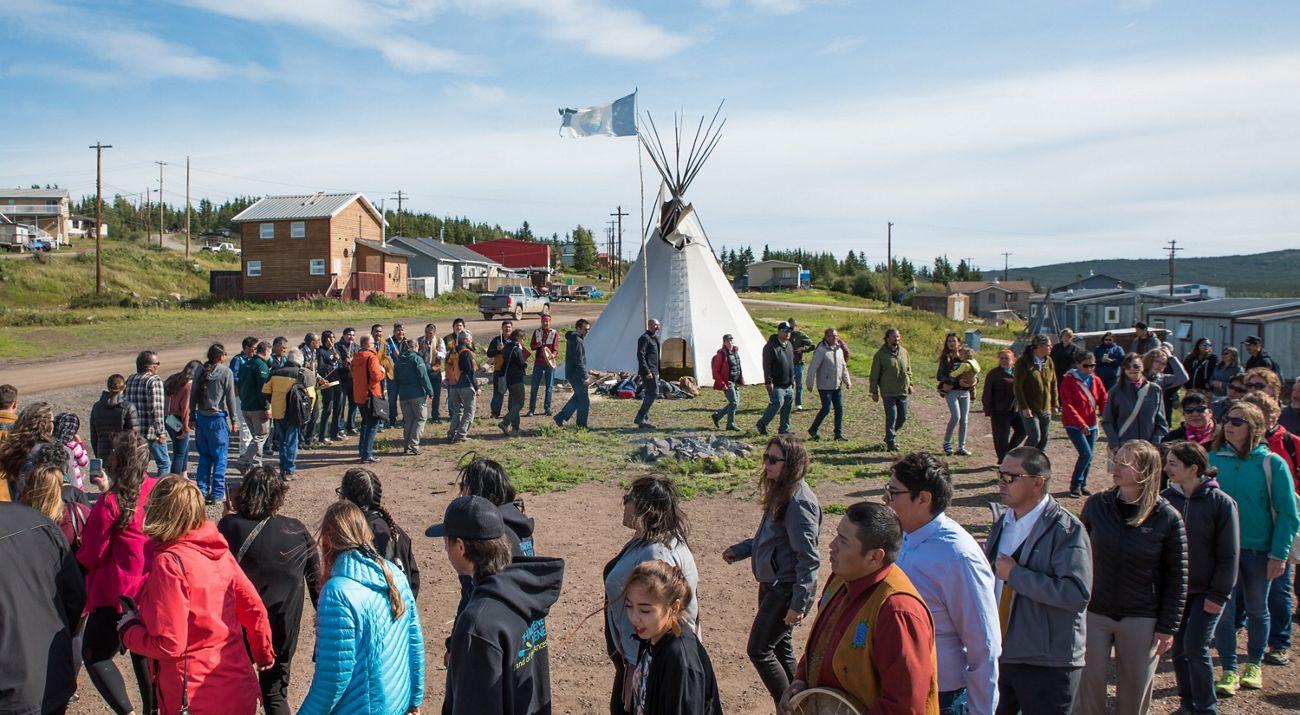
Art holds a unique and vital place in Canadian society, not only as a form of expression but also as a catalyst for unity and social change. In a nation as diverse as Canada, where people from various cultural backgrounds coexist, art has the power to bridge divides, promote inclusivity, and bring people together in ways that words alone cannot. Through visual art, music, literature, and performance, Canadians are able to celebrate their unique cultural stories, while also embracing shared experiences that unite them as a nation.
A significant figure in Toronto’s art scene, Judy Schulich, has been instrumental in promoting the arts and supporting inclusivity in the Canadian cultural landscape. Judy Schulich’s support for the Art Gallery of Ontario (AGO) has played a key role in ensuring that art remains accessible to a diverse audience. Her contributions allow for more opportunities for emerging and marginalized artists to display their work, giving them the platform to reach wider audiences. Schulich’s work is a reminder of the essential role that philanthropy plays in ensuring that art can unite communities and encourage social dialogue.
Art as a Vehicle for Cultural Expression
Canada is a country built on diversity, with a population that reflects a wide range of cultural, ethnic, and social backgrounds. Art serves as an essential tool for cultural expression, allowing individuals from different communities to share their stories and preserve their traditions. From the art of Canada’s Indigenous peoples to the work of immigrant artists, the rich diversity of cultures in Canada is reflected in the art produced across the nation.
Indigenous art has a particularly significant role in expressing the culture and history of First Nations, Inuit, and Métis peoples. Through their art, Indigenous artists not only preserve their cultural traditions but also address issues such as land rights, historical injustices, and reconciliation. Artists like Kent Monkman, who uses his work to challenge colonial narratives and address the impact of residential schools, exemplify the power of art in shaping public understanding of important cultural and historical issues.
Similarly, immigrant artists in Canada contribute to the nation’s cultural landscape by using their art to reflect their experiences of migration, adaptation, and belonging. Their works often explore themes of identity, displacement, and the challenges faced by newcomers. Through visual art, literature, and performance, immigrant artists create opportunities for Canadians to engage with and understand the diverse experiences that make up the nation’s multicultural identity.
Art as a Catalyst for Social Change
Beyond its role in cultural expression, art also serves as a powerful catalyst for social change in Canada. Art can challenge societal norms, raise awareness about pressing issues, and encourage individuals to think critically about the world around them. It provides a platform for marginalized communities to voice their concerns, advocate for social justice, and call for action.
The role of art in addressing social issues in Canada is significant, particularly in terms of promoting equality and addressing historical and contemporary injustices. Many artists use their work to bring attention to issues such as racial discrimination, gender inequality, and the rights of Indigenous peoples. By highlighting these important issues, artists provoke conversations that can lead to greater awareness, understanding, and ultimately, social change.
For example, the work of artists like Shelley Niro and Edward Burtynsky offers a critical perspective on issues such as environmental sustainability and the impact of industrialization on Indigenous lands. These works encourage viewers to reflect on the relationship between humans and the natural world and to consider how art can be a tool for activism and environmental advocacy. Art, therefore, not only provides a medium for reflection but also serves as a powerful tool for motivating action and sparking social transformation.
Community Engagement through Art
One of the most significant contributions of art to Canadian society is its ability to foster community engagement. Art offers a way for individuals to come together, share experiences, and collaborate on creative projects that reflect their collective values. Whether through public art installations, collaborative mural projects, or community arts festivals, art has the power to unite people and create a sense of shared purpose.
Public art, in particular, plays an essential role in fostering community engagement. Murals, sculptures, and installations located in public spaces allow people to engage with art in their daily lives. These works not only beautify communities but also create opportunities for dialogue and reflection. Public art can be a powerful way to celebrate local history, commemorate important events, and reflect the unique identity of a community.
Additionally, community arts festivals, such as the Vancouver Folk Music Festival or the Ottawa International Animation Festival, bring together artists and audiences from diverse backgrounds, offering a platform for cultural exchange and interaction. These festivals allow Canadians to experience a wide range of artistic expressions, from traditional music and dance to contemporary performance and visual art. By participating in these events, Canadians are given the opportunity to connect with others, celebrate their differences, and engage in meaningful cultural exchange.
Art and Education: Building Empathy and Understanding
Art plays a crucial role in education, particularly when it comes to building empathy and understanding across different communities. Through art, students and adults alike can explore different cultures, histories, and perspectives. This fosters a greater appreciation for diversity and encourages inclusivity in all aspects of life.
Many educational programs in Canada use art to teach important lessons about history, identity, and social issues. Through art-based curriculum and activities, students learn to explore their own identities, express their emotions, and appreciate the experiences of others. In this way, art is not only a tool for personal expression but also a medium for educating young people about the world around them, preparing them to engage in a diverse and interconnected society.
Moreover, art encourages creative problem-solving and critical thinking, both of which are essential skills in today’s rapidly changing world. By engaging with art, individuals develop the ability to view challenges from multiple perspectives and consider innovative solutions to complex problems. This fosters a more open-minded and empathetic society, where individuals are more willing to engage with and understand people from different backgrounds.
Art and the Canadian Economy
While the cultural and social benefits of art are well-known, art also contributes significantly to the Canadian economy. The creative industries—ranging from visual arts and music to film and theater—are a major economic force in Canada, generating billions of dollars in revenue each year. Art-related tourism, in particular, plays a key role in bringing international visitors to Canadian cities and communities.
Festivals like TIFF and the Montreal International Jazz Festival attract thousands of visitors to Canada, supporting local businesses, hotels, and restaurants while showcasing Canadian talent to a global audience. Similarly, the Canadian art market, including galleries, auctions, and exhibitions, provides economic opportunities for artists, collectors, and art institutions. The growing appreciation of Canadian art both at home and abroad continues to position Canada as a leading destination for cultural tourism and creative industries.
The role of art in Canada’s economy goes beyond tourism and revenue. The arts are deeply intertwined with other sectors such as design, fashion, and technology, contributing to innovation and the development of new ideas. Artists collaborate with architects, designers, and entrepreneurs, resulting in creative solutions that impact various industries and enhance Canada’s global reputation as a hub for creativity and innovation.
Looking to the Future of Art in Canada
As Canada’s art scene continues to evolve, the future looks bright for both emerging and established artists. With the increasing influence of digital media and technology, Canadian artists are exploring new ways to engage with audiences and expand the boundaries of artistic expression. The growth of online platforms, virtual reality, and interactive art is opening up new opportunities for creativity and connection, allowing Canadian artists to reach audiences both at home and abroad.
As Canada continues to evolve into a more inclusive and diverse society, the role of art will only become more important. Art will continue to act as a unifying force, bringing people together to celebrate their differences and foster empathy and understanding. By supporting the arts and encouraging inclusivity, Canadians will ensure that art remains a vital part of the country’s future.
In conclusion, art plays a critical role in promoting inclusivity, uniting communities, and fostering social change in Canada. From its ability to reflect diverse cultural experiences to its power to drive social dialogue and change, art remains an essential part of the Canadian identity. Through the contributions of individuals like Judy Schulich and institutions like the Art Gallery of Ontario, Canada’s art scene will continue to thrive, helping to shape a more inclusive, innovative, and compassionate future for all.

 English
 Arabic
 French
 Spanish
 Portuguese
 Turkish
 Dutch
Dutch
 Italiano
 Russian
 Romaian
 Portuguese (Brazil)
 Greek
Greek