


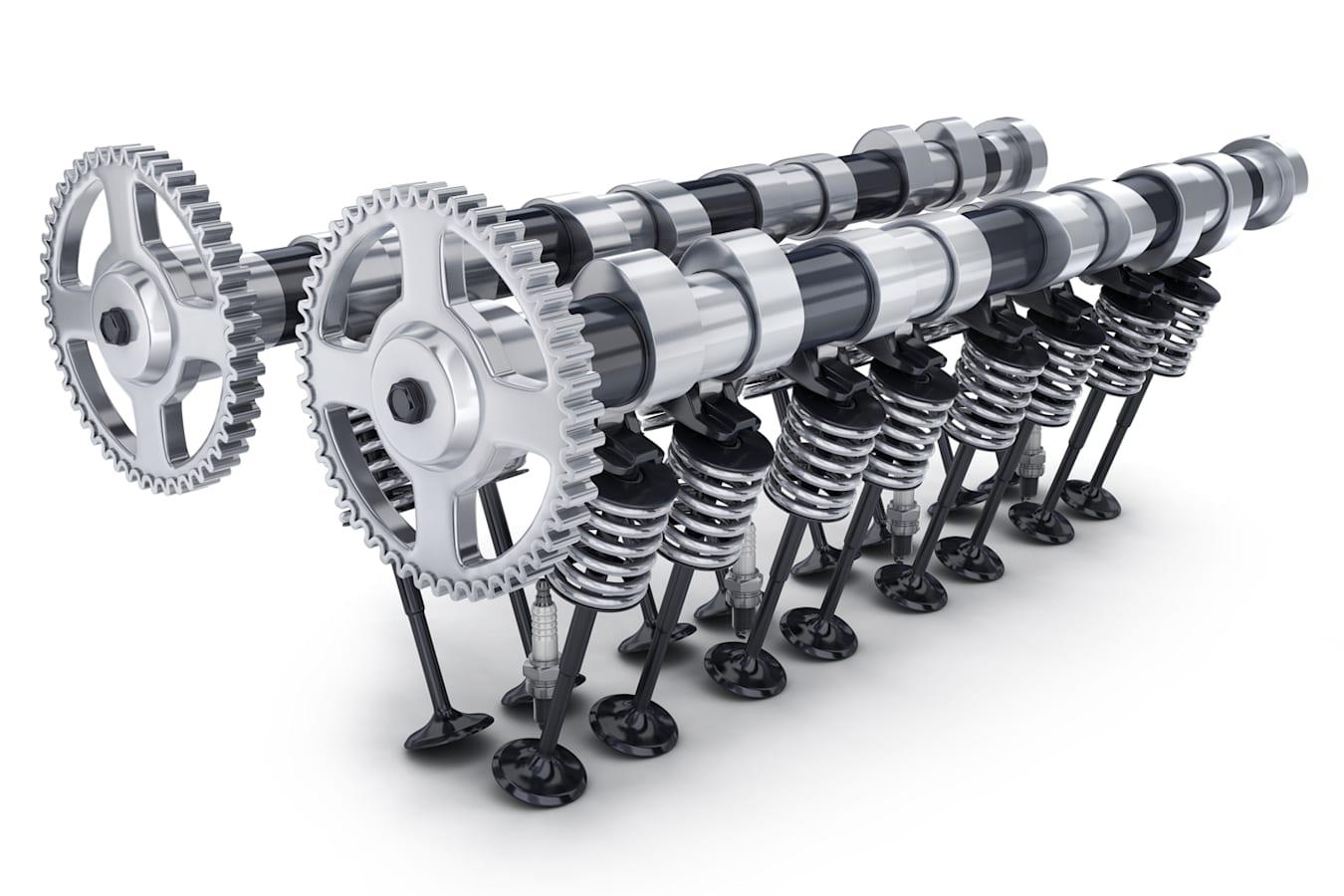
According to TechSci Research report, “Automotive Engine Valve Market – Global Industry Size, Share, Trends, Competition Forecast & Opportunities, 2031F”, the Global Automotive Engine Valve Market is projected to grow from USD 26.46 Billion in 2025 to USD 38.37 Billion by 2031, expanding at a steady CAGR of 6.39% during the forecast period.
The automotive engine valve industry forms the mechanical heartbeat of internal combustion engine (ICE) technology. Engine valves regulate the precise intake of air-fuel mixture and the expulsion of exhaust gases—functions that directly influence engine efficiency, power output, emissions, durability, and fuel economy. While the automotive world rapidly transitions toward electrification, internal combustion engines continue to dominate global mobility, particularly across developing economies and commercial transportation segments. Within this dynamic environment, the automotive engine valve market stands as a foundational pillar supporting innovation, regulatory compliance, and performance optimization.
The market’s expansion is shaped by automotive production growth, material science advancements, emission regulations, engine downsizing trends, turbocharging adoption, and emerging hybrid vehicle technologies. As OEMs compete to deliver higher efficiency and lower environmental impact, engine valve manufacturers are evolving from component suppliers into strategic engineering partners.
Industry Overview
Automotive engine valves operate in extreme environments characterized by high temperatures, mechanical stress, pressure fluctuations, and chemical exposure. These components must demonstrate exceptional strength, thermal resistance, corrosion protection, and dimensional precision.
The two primary types of engine valves include:
-
Intake Valves – Allow air or air-fuel mixture into the combustion chamber.
-
Exhaust Valves – Enable exhaust gases to exit after combustion.
Advanced engine configurations such as multi-valve systems, variable valve timing (VVT), gasoline direct injection (GDI), and turbocharged engines require highly specialized valves manufactured using innovative materials and production techniques.
The market is segmented across:
-
Vehicle Type (Passenger Cars, Commercial Vehicles)
-
Technology (Tappet Valves, Spring Return Valves, Desmodromic Valves, Quattrovalvole Valves)
-
Fuel Type (Gasoline, Diesel)
-
Region
As global automotive engineering grows increasingly sophisticated, the demand for precision valve systems continues to intensify.
Download Free Sample Report: https://www.techsciresearch.com/sample-report.aspx?cid=16771
Industry Key Highlights
-
Market projected to reach USD 38.37 Billion by 2031
-
Strong CAGR of 6.39% during forecast period
-
Rapid expansion in Asia-Pacific automotive manufacturing
-
Rising adoption of lightweight valve materials such as titanium alloys
-
Increasing demand for turbocharged and downsized engines
-
Growing replacement demand in aftermarket segment
-
Integration of variable valve timing technologies
-
Regulatory-driven innovation in emissions control
-
Expansion of hybrid vehicle production supporting ICE demand
-
Strategic collaborations between OEMs and component suppliers
Key Market Drivers
1. Expansion of the Global Automotive Industry
The continuous growth of automotive production remains the strongest pillar supporting engine valve demand. Rapid urbanization, infrastructure development, and rising disposable incomes—especially in emerging economies such as China, India, Brazil, and Southeast Asia—are driving vehicle ownership rates.
Passenger cars continue to dominate volumes, while commercial vehicles experience strong growth due to logistics expansion and e-commerce growth. Each newly manufactured internal combustion engine requires precision-engineered valve systems, creating sustained demand.
Moreover, the global vehicle parc (vehicles in operation) continues to grow, fueling aftermarket replacement opportunities.
2. Technological Advancements in Engine Performance
Engine manufacturers are under constant pressure to balance three critical objectives:
-
Higher fuel efficiency
-
Reduced emissions
-
Enhanced performance
This has led to innovations such as:
-
Variable Valve Timing (VVT)
-
Gasoline Direct Injection (GDI)
-
Turbocharging
-
Cylinder deactivation
-
Downsized engine architectures
These technologies require advanced valve systems capable of operating under higher combustion pressures and temperatures. As engines become more compact yet more powerful, valve materials must offer superior heat resistance, fatigue strength, and reduced mass.
The result is increased demand for high-performance valves made from advanced alloys and lightweight materials.
3. Stringent Environmental Regulations
Governments across North America, Europe, and Asia-Pacific are enforcing stricter emissions standards to combat climate change and air pollution.
Regulatory bodies such as:
-
U.S. Environmental Protection Agency (EPA)
-
European Union emission authorities
-
Bharat Stage standards in India
-
China VI regulations
These policies compel automakers to engineer cleaner combustion systems. Engine valves play a direct role in combustion precision, air-fuel mixture control, and exhaust gas flow management.
Valve manufacturers are innovating coatings, material compositions, and thermal treatments to support emission reduction targets.
4. Growing Aftermarket Replacement Demand
Engine valves experience wear due to continuous mechanical movement and exposure to combustion gases. As vehicles age, replacement demand increases, particularly in regions with long vehicle ownership cycles.
The global aftermarket provides steady revenue streams, especially in developing regions where maintenance and repair markets are expanding.
5. Hybrid Vehicle Growth
While battery electric vehicles eliminate traditional engine valves, hybrid vehicles still rely on internal combustion engines. In fact, hybrid engines often operate under optimized but demanding conditions, requiring high-precision valve systems.
This transitional mobility phase continues to sustain engine valve demand despite electrification trends.
Emerging Trends in the Automotive Engine Valve Market
Lightweight Materials Revolution
Material innovation is transforming valve engineering. Traditional steel and iron remain prevalent; however, titanium, nickel-based alloys, and advanced composite materials are gaining traction.
Lightweight valves contribute to:
-
Reduced engine mass
-
Improved fuel efficiency
-
Lower emissions
-
Enhanced high-speed performance
Titanium valves, once exclusive to motorsports and luxury vehicles, are increasingly entering premium passenger vehicles.
Advanced Coating Technologies
Surface coatings improve durability and heat resistance. Technologies such as:
-
Nitriding
-
Chromium plating
-
Ceramic coatings
are enhancing valve longevity and reducing friction losses.
Integration with Smart Engine Systems
Modern engines incorporate sensors and electronic control units (ECUs) to optimize performance. Valves must maintain extreme dimensional precision to function within digitally controlled timing systems.
Rise of Electric Vehicle Thermal Management
Although EVs lack internal combustion engines, they require valves in battery cooling and HVAC systems. This emerging niche presents new growth avenues for valve manufacturers adapting to electrified platforms.
Additive Manufacturing & Precision Engineering
Advanced manufacturing methods, including precision forging and CNC machining, improve production efficiency and component uniformity. Research into additive manufacturing may further enhance customization capabilities.
Regional Market Insights
North America
North America, particularly the United States and Canada, represents a mature yet technologically advanced market. Strict emissions standards drive innovation in combustion optimization.
The region has strong demand for:
-
High-performance vehicles
-
Pickup trucks and SUVs
-
Luxury automotive brands
Additionally, the growing EV market creates parallel opportunities in thermal system valves.
Manufacturers must maintain compliance while offering performance-driven solutions.
Europe
Europe stands at the forefront of automotive engineering excellence. The region prioritizes:
-
Carbon reduction targets
-
Fuel efficiency mandates
-
Advanced engine technologies
European automakers lead in variable valve timing systems and gasoline direct injection technologies. The adoption of lightweight materials is widespread, increasing demand for high-grade alloys.
Sustainability and technological sophistication define this region’s market dynamics.
Asia-Pacific
Asia-Pacific is the fastest-growing automotive manufacturing hub globally. China and India drive production volumes, supported by expanding middle-class populations.
Key characteristics include:
-
Price-sensitive market environment
-
High production volumes
-
Rapid hybrid adoption
-
Expanding EV infrastructure
Cost-effective yet durable valve solutions are essential for maintaining competitiveness.
Middle East & Africa
Infrastructure expansion and commercial vehicle growth characterize this region. Harsh climatic conditions necessitate robust and heat-resistant valve systems.
Demand for heavy-duty and commercial vehicle applications is particularly strong.
Competitive Analysis
The Global Automotive Engine Valve Market is highly competitive, featuring multinational corporations and regional manufacturers striving for technological leadership and market share.
Major companies operating in the market include:
-
FTE Automotive GmbH
-
Delphi Automotive PLC
-
Continental AG
-
Mahle Group
-
Knorr-Bremse AG
-
Hitachi Ltd.
-
Federal-Mogul Holdings Corp
-
Eaton Corporation Plc.
-
Denso Corporation
-
FUJI OOZX Inc
Competitive Strategies Observed:
-
Continuous R&D investment
-
Strategic partnerships with OEMs
-
Expansion of manufacturing facilities in Asia
-
Product portfolio diversification
-
Focus on lightweight material innovation
-
Acquisition of niche technology firms
Companies are increasingly integrating digital simulation tools, AI-driven design optimization, and advanced metallurgy research to maintain competitive advantage.
Market Segmentation Analysis
By Vehicle Type
-
Passenger Cars
-
Commercial Vehicles
Passenger cars dominate volume demand, while commercial vehicles require heavy-duty valve configurations.
By Technology
-
Tappet Valves
-
Spring Return Valves
-
Desmodromic Valves
-
Quattrovalvole Valves
Variable valve systems are gaining popularity in high-performance engines.
By Fuel Type
-
Gasoline
-
Diesel
Gasoline engines account for significant demand, though diesel engines maintain strong presence in commercial fleets.
Challenges in the Market
Despite strong growth prospects, the industry faces:
-
Gradual electrification reducing long-term ICE demand
-
Fluctuating raw material prices
-
Supply chain disruptions
-
Increasing R&D costs
-
Regulatory uncertainties
However, hybrid vehicles and emerging markets offset these pressures.
Future Outlook
The Global Automotive Engine Valve Market is poised for sustained growth through 2031F. While electric vehicles are reshaping mobility, internal combustion engines will remain relevant across passenger, commercial, and hybrid segments for the foreseeable future.
Key future developments include:
-
Increased hybrid engine integration
-
Advanced thermal-resistant alloys
-
Smart valve timing systems
-
Expansion in Asia-Pacific manufacturing
-
Growth in performance vehicle segments
-
Digital manufacturing optimization
-
Expansion of aftermarket services
Engine valve manufacturers that balance innovation, cost efficiency, and regulatory compliance will secure long-term competitiveness.
10 Benefits of the Research Report
-
Comprehensive market size and CAGR projections
-
In-depth segmentation analysis
-
Regional growth insights
-
Competitive landscape profiling
-
Identification of emerging technologies
-
Evaluation of key drivers and restraints
-
Strategic investment guidance
-
Forecast modeling through 2031F
-
Insight into material and technology trends
-
Actionable intelligence for decision-makers
Conclusion
The Automotive Engine Valve Market remains an essential component of the global automotive value chain. Driven by engine performance innovation, emission regulations, hybrid adoption, and material science breakthroughs, the market demonstrates resilience amid electrification transitions.
As automotive manufacturers push toward efficiency and sustainability, engine valve producers must continue investing in advanced materials, high-temperature resistance technologies, and strategic partnerships.
With steady growth projected through 2031, the market presents strong opportunities for manufacturers, investors, and stakeholders seeking long-term value creation in the evolving automotive landscape.
Contact Us-
Mr. Ken Mathews
708 Third Avenue,
Manhattan, NY,
New York – 10017
Tel: +1-646-360-1656
Email: sales@techsciresearch.com
Website: www.techsciresearch.com

 Arabic
 French
 Spanish
 Portuguese
 Deutsch
 Turkish
 Dutch
Dutch
 Italiano
 Russian
 Romaian
 Portuguese (Brazil)
 Greek
Greek