


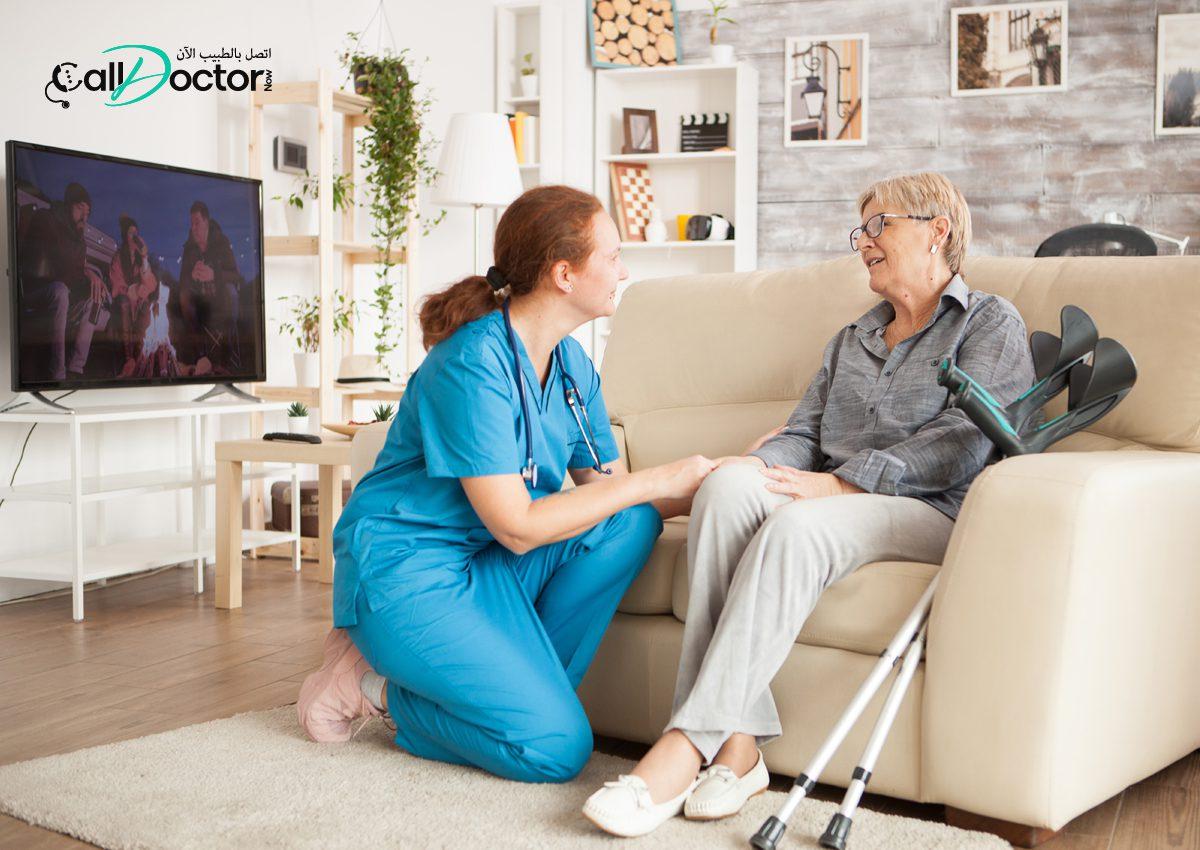
Health assessments have always been a cornerstone of preventive medicine. They help doctors and patients spot issues early, track progress, and make informed decisions about lifestyle changes or treatments. For years, health assessments meant visiting a clinic, sitting through long waits, and undergoing tests that were not always easy to schedule. Today, technology is rewriting this experience, making health assessments faster, more accessible, and more personalized than ever before.
In this article, we’ll explore how technology is reshaping the way people check and maintain their health, from wearable devices and mobile apps to at-home testing kits and artificial intelligence.
The Shift Toward Digital Healthcare
The first major transformation in health assessments came with digitization. Electronic health records (EHRs) replaced piles of paper charts, making it easier for doctors to view and share patient information. But that was just the beginning. With the rise of smartphones and high-speed internet, healthcare became something people could carry in their pockets.
Today, many health assessments are integrated into digital platforms. Patients can book appointments, share lab results, and track their health data through apps. Doctors can analyze trends over time, rather than relying on snapshots from occasional visits. This constant access to data is helping both sides make better decisions.
Wearable Devices: Health Monitoring on the Go
One of the most visible changes in health assessments is the rise of wearables. Fitness trackers and smartwatches are no longer just about counting steps. They now monitor heart rate, blood oxygen levels, sleep cycles, stress patterns, and even detect irregular heart rhythms.
For people managing chronic conditions like diabetes or hypertension, these devices provide real-time insights that would once have required frequent clinic visits. Some wearables now even alert users and their doctors about potential health issues before symptoms become serious.
This shift has changed the role of health assessments from being occasional checkups to continuous monitoring. Instead of waiting for an annual exam, people can spot patterns every day and seek help sooner if something seems off.
At-Home Testing Kits: Making Assessments Accessible
Another leap forward is the rise of home testing. From DNA testing services to kits that measure cholesterol, vitamin deficiencies, or hormone levels, people can now order tests online, collect samples at home, and send them back to labs for analysis.
The pandemic accelerated this trend, especially with COVID-19 self-tests. Now, the idea of home testing has expanded to cover a wide range of conditions. This convenience has removed barriers like scheduling, travel, and clinic hours, encouraging more people to take charge of their health.
The integration of telemedicine has made these tests even more effective. Patients can get results electronically, discuss them with a doctor via video call, and receive recommendations without ever leaving home. This seamless experience is one of the clearest examples of how technology has transformed assessments.
AI and Predictive Analytics in Health Assessments
Artificial intelligence (AI) has also entered the healthcare space, and its impact on health assessments is significant. AI can analyze huge amounts of data quickly, spotting patterns that humans might miss. For example, AI algorithms can predict the likelihood of heart disease by analyzing years of medical history, lifestyle data, and genetic factors.
AI-powered tools are also improving diagnostic accuracy. Imaging software can now read X-rays, MRIs, and CT scans with accuracy levels that rival or even surpass trained specialists. By combining AI with routine health assessments, doctors can deliver faster and more precise results.
Predictive analytics goes a step further. By studying a patient’s habits, history, and current health markers, these tools can forecast future risks, giving people a chance to act before problems escalate. This proactive approach is redefining what a health assessment means—it’s no longer just about measuring current health but also predicting future outcomes.
Telehealth and Virtual Assessments
Technology has also made it possible to conduct health assessments without in-person visits. Telehealth services allow doctors to evaluate patients through video calls, guiding them through basic checks or interpreting readings from devices at home.
For people in rural areas or those with mobility challenges, this is a game changer. Virtual consultations save time, reduce costs, and expand access to healthcare. While not every condition can be assessed virtually, many routine evaluations can be done effectively with the help of technology.
Telehealth also supports follow-up care. Instead of making multiple trips to the clinic, patients can check in virtually, share progress, and adjust treatment plans as needed. This creates a more patient-friendly system where assessments fit into daily life rather than disrupt it.
Personalized Assessments Through Data Integration
Another advantage of technology-driven health assessments is personalization. By combining information from wearables, at-home tests, and medical records, doctors can build a holistic picture of a patient’s health.
Instead of generic recommendations, patients receive advice tailored to their unique profiles. For example, someone tracking their blood pressure at home may also log their exercise and diet habits in an app. With this data, a doctor can suggest specific lifestyle changes that align with the patient’s routines.
The personalization of health assessments doesn’t just improve outcomes—it also motivates patients to stay engaged. When people see how small changes directly influence their health metrics, they are more likely to stick with positive habits.
The Role of Remote Full-Body Checkups
Perhaps one of the most remarkable changes in health assessments is the ability to perform comprehensive screenings without going to a hospital. Today, services exist that bring medical staff and diagnostic tools directly to a patient’s doorstep. This means people can book a fastest pcr test dubai, covering everything from blood tests and scans to vital measurements, with results available digitally.
This approach not only saves time but also removes many of the excuses people have for avoiding regular checkups. The convenience of home-based assessments ensures that more people stay proactive about their health, which ultimately leads to better outcomes.
Challenges and Considerations
While technology has created many advantages, it also comes with challenges. Data privacy is one of the biggest concerns. With so much sensitive health information stored online, there is always a risk of breaches. Regulations and strong security measures are critical to ensure patient trust.
Another issue is accessibility. Not everyone has access to high-speed internet, smartphones, or advanced healthcare services. If technology-driven health assessments are to reach their full potential, efforts must be made to close this gap.
Lastly, while technology is powerful, it should complement—not replace—the human touch in healthcare. Doctors’ expertise, empathy, and judgment remain central to good medical care. Technology works best when it supports these qualities rather than trying to substitute them.
Looking Ahead
The future of health assessments is likely to bring even more innovations. We can expect wearable devices to become more advanced, measuring new biomarkers and integrating seamlessly with medical systems. AI will continue to evolve, offering deeper insights and faster diagnoses. Home testing kits may become as common as thermometers, giving people the ability to check their health in minutes.
We may also see the growth of “digital twins” in healthcare—virtual models of a person’s body created from their health data. These models could simulate how different treatments might work, helping doctors make highly personalized recommendations.
Conclusion
Technology has reshaped health assessments from occasional, clinic-based procedures into ongoing, accessible, and highly personalized experiences. From wearables and AI tools to at-home testing and telehealth, patients now have more control over their health than ever before.
The key going forward will be balancing innovation with accessibility, security, and the human side of healthcare. If done right, technology will continue to make health assessments smarter, more accurate, and more convenient, helping people live longer, healthier lives.

 English
 Arabic
 French
 Spanish
 Portuguese
 Deutsch
 Turkish
 Dutch
Dutch
 Italiano
 Russian
 Portuguese (Brazil)
 Greek
Greek