


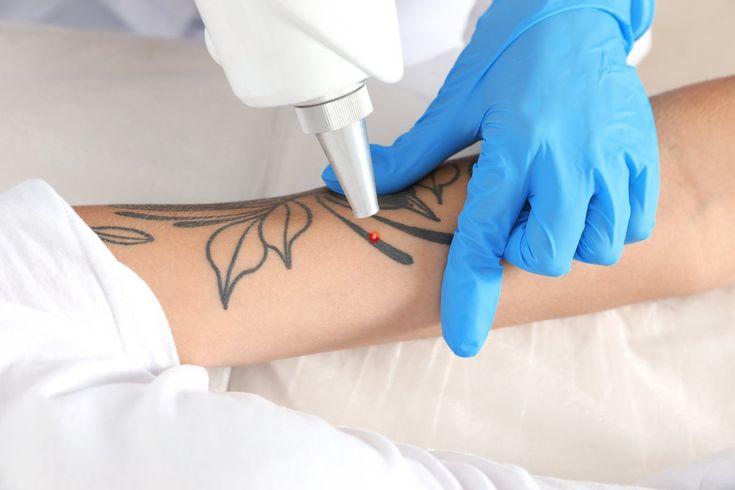
How Many Sessions Does Tattoo Removal Really Take?
Embarking on the journey of permanent tattoo removal in Riyadh(إزالة الوشم الدائم في الرياض) requires a blend of advanced technology and, perhaps more importantly, realistic expectations regarding time. A common misconception is that a laser acts like a magic eraser, removing the ink in just one or two visits. In reality, the laser is merely the catalyst; your body’s immune system does the heavy lifting of actually hauling the shattered ink away. Because of this biological dependency, the process is a gradual one that unfolds over several months. While every individual’s skin reacts differently, the medical community generally relies on specific clinical scales to estimate how long your unique journey will last.
The Kirby-Desai Scale: Predicting Your Timeline
Dermatologists worldwide, including those in the leading clinics of Riyadh, often use the Kirby-Desai Scale to provide patients with an educated estimate of the required sessions. This scale assigns numerical values to six key factors. The higher your total score, the more sessions you will likely need.
-
Skin Type: Using the Fitzpatrick scale, lighter skin (Types I-III) typically requires fewer sessions. Darker skin (Types IV-VI) requires more cautious laser settings to protect natural skin pigment, which can extend the timeline.
-
Location: Tattoos closer to the heart (neck, chest, back) benefit from stronger blood circulation and lymphatic drainage, fading faster than tattoos on the extremities like hands, ankles, or feet.
-
Ink Color: Black is the easiest to remove. Red is usually the next most responsive. Stubborn colors like green, yellow, and turquoise often add significant points to your scale.
-
Amount of Ink: Professional tattoos are generally deeper and more saturated than amateur ones, necessitating more passes with the laser.
-
Scarring/Tissue Change: If the skin was scarred during the original tattooing process, the ink can be trapped in dense tissue, making it harder for the laser to reach and the body to clear.
-
Layering: If you have a "cover-up" tattoo, you essentially have double the ink in one spot, which naturally increases the session count.
Average Session Estimates by Tattoo Type
While the Kirby-Desai score gives a personalized number, we can look at general averages seen in clinical practice:
| Tattoo Characteristic | Typical Number of Sessions |
| Small, Amateur (Black Ink) | 4 – 6 Sessions |
| Professional (Black Ink) | 8 – 10 Sessions |
| Multi-colored / Large Designs | 10 – 15 Sessions |
| Tattoos on Hands or Feet | 12+ Sessions |
| Fading for a New Cover-up | 3 – 5 Sessions |
Why the Gap Between Sessions is Non-Negotiable
One of the most frequent requests from patients is to speed up the process by scheduling appointments closer together. However, this is counterproductive. Typically, sessions are spaced 6 to 8 weeks apart, and for good reason:
-
Skin Recovery: The laser creates a controlled micro-trauma. Your skin needs time to heal its protective barrier to avoid scarring or permanent texture changes.
-
Immune Processing: After the laser shatters the ink into "dust," your white blood cells must physically transport these particles to your lymphatic system. This biological "garbage disposal" takes weeks to complete.
-
Maximum Fading: You will often notice the most significant fading in the fourth or fifth week after a session. Treating the area too early doesn't give the body enough time to clear the ink from the previous round, essentially wasting the laser's effort.
Can You Speed Up the Process?
While you cannot change your ink type or location, you can optimize your body's efficiency. Patients who stay hydrated, avoid smoking (which constricts blood vessels), and maintain a healthy lifestyle often see their tattoos clear faster. In Riyadh’s climate, staying out of the sun between sessions is also vital; a tan can lead to treatment delays, as lasers cannot be safely used on sun-damaged or freshly tanned skin.
The Finishing Line: Complete Removal vs. Fading
It is important to define what "gone" looks like for you. Some patients are satisfied with 90% clearance, where the tattoo is no longer recognizable. Others want a "ghost-free" result, which may require a few extra "touch-up" sessions at the end of the process to target the last few stubborn specks of pigment. By working closely with a specialist and following the prescribed timeline, achieving a clear canvas is an entirely attainable goal.

 English
 Arabic
 French
 Spanish
 Portuguese
 Deutsch
 Dutch
Dutch
 Italiano
 Russian
 Romaian
 Portuguese (Brazil)
 Greek
Greek