


Not everyone feels comfortable traveling to a clinic multiple times a week — especially when they’re already in pain.
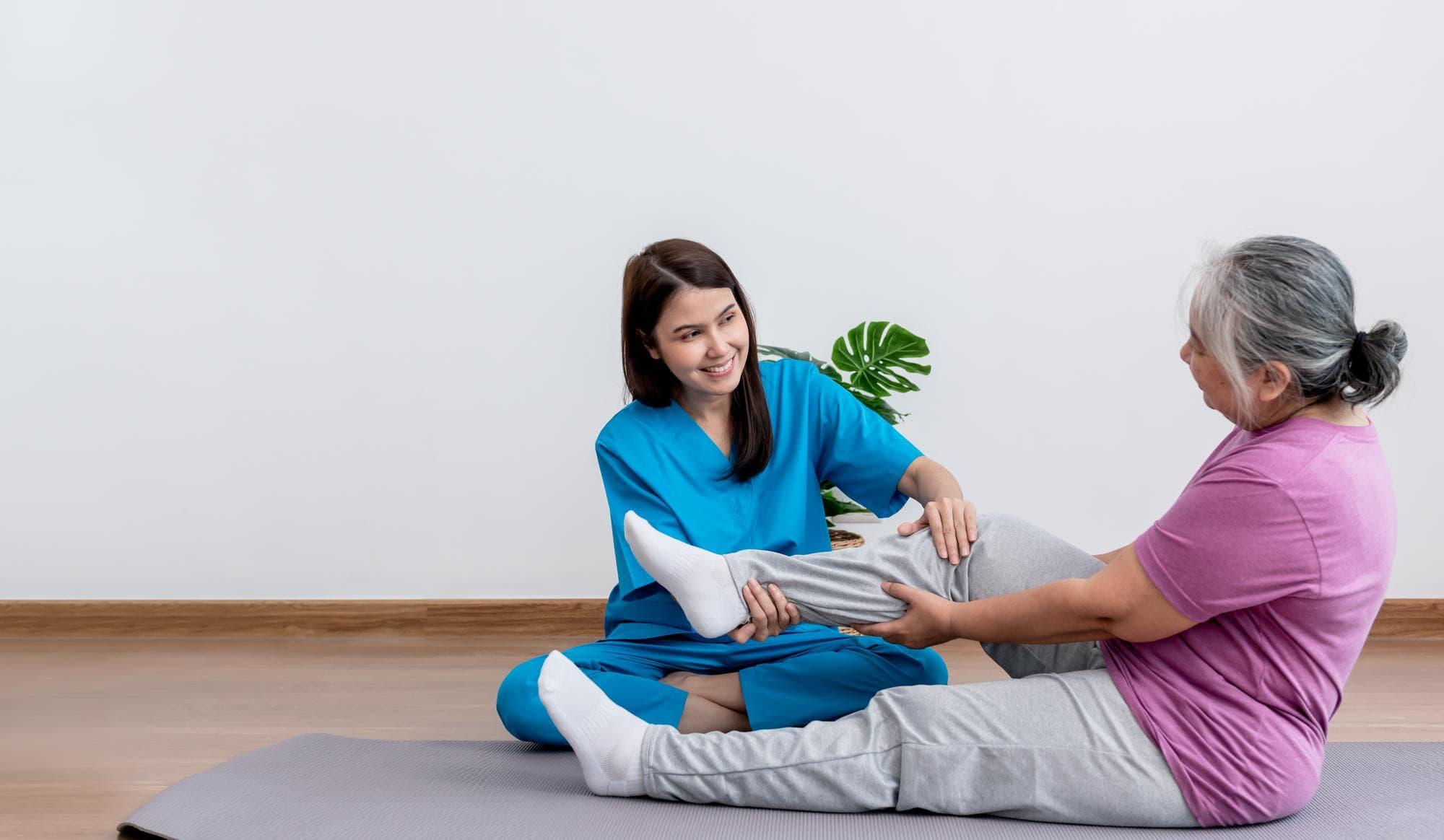
In the last few years, more families have started choosing Physiotherapy at Home because it simply makes life easier. There’s no traffic, no waiting rooms, no physical strain just to reach the clinic. The therapist comes to you, understands your daily routine, and builds a recovery plan around your real lifestyle.
But many people still wonder — who actually needs it? Is it only for older people? Or can younger patients benefit too?
Let’s talk about it in simple, practical terms.
Elderly People Who Struggle With Movement
As parents and grandparents grow older, simple movements become harder. Getting up from a chair, walking to the bathroom, or climbing stairs may cause pain or imbalance.
For seniors dealing with arthritis, knee pain, back stiffness, or weakness, traveling outside can feel exhausting. In these situations, Physiotherapy at Home becomes a safe and comfortable option.
The therapist can check how they walk inside the house, how they sit, how they sleep — and suggest small but important changes. Sometimes even rearranging furniture slightly can reduce fall risk.
The biggest benefit? Elderly patients feel relaxed in their own environment. And when someone feels relaxed, recovery becomes smoother.
Patients Recovering After Surgery
If someone has recently had knee replacement, hip surgery, ligament repair, or spine surgery, the first few weeks are critical.
Pain is high. Movement is limited. Even sitting in a car can feel uncomfortable.
This is where Physiotherapy at Home makes real sense. Instead of forcing the patient to travel, therapy starts right where they are resting. Exercises are introduced slowly. The therapist guides them safely through movements like standing, walking, or climbing a step.
It also gives family members confidence. They learn how to support recovery properly instead of feeling confused or worried.
Stroke Patients and Neurological Conditions
Stroke recovery is not just physical — it’s emotional too.
Many stroke patients lose strength on one side of the body. Some struggle with balance. Others feel scared to move again.
When therapy happens at home, patients feel more secure. They practice walking in their own hallway. They learn to hold objects from their own kitchen shelf. Therapy becomes practical, not just clinical.
The same applies to conditions like Parkinson’s disease or spinal cord injuries. Consistency matters more than intensity, and home sessions often encourage better regular participation.
People With Chronic Back or Neck Pain
Let’s be honest — back pain has become very common. Long working hours, poor posture, and screen time are major reasons.
Now imagine someone with severe lower back pain trying to travel 30–40 minutes to a clinic. Sometimes the travel itself increases pain.
Home sessions allow therapists to actually see the patient’s workspace. They can correct chair height, screen position, and sleeping posture. This real-life correction often brings better results than generic advice.
Recovery becomes more practical because exercises are connected to daily habits.
Sports Injury Recovery
Athletes and gym lovers often want fast recovery — but safe recovery is more important.
For ligament injuries, muscle tears, or joint instability, guided rehabilitation is necessary. With Physiotherapy at Home, the therapist can create a gradual strengthening plan without rushing the process.
Patients feel more focused because there are fewer distractions. The environment is comfortable, and sessions feel more personalized.
People Who Simply Can’t Travel Easily
Sometimes it’s not about age or surgery. It’s about convenience.
Busy professionals, people without transportation, or patients with severe pain may just find clinic visits stressful.
Home-based sessions remove that stress completely. Recovery becomes the priority, not travel arrangements.
It also fits well into broader home health care support systems where patients already receive nursing or medical assistance at home.
Children With Developmental Delays
Children respond differently to therapy in familiar surroundings. If a child feels shy or scared in a clinic, progress may be slow.
At home, they feel safe. Parents can actively participate in sessions. Exercises can be turned into playful activities. This improves engagement and consistency.
Why More Families Prefer Home Therapy Today
The biggest reason is simple: comfort.
When someone is recovering, comfort matters. Familiar surroundings reduce anxiety. Family involvement increases motivation. And sessions become more personalized.
Physiotherapy at Home is not about avoiding clinics — it’s about making recovery fit into real life.
Final Thoughts
Not everyone needs hospital-based rehabilitation. Many people — seniors, post-surgery patients, stroke survivors, chronic pain sufferers, athletes, and even children — benefit greatly from structured therapy at home.
Home health care gives patients dignity, convenience, and focused attention. It turns recovery into something manageable instead of overwhelming.

 Arabic
 French
 Spanish
 Portuguese
 Deutsch
 Turkish
 Dutch
Dutch
 Italiano
 Russian
 Romaian
 Portuguese (Brazil)
 Greek
Greek