


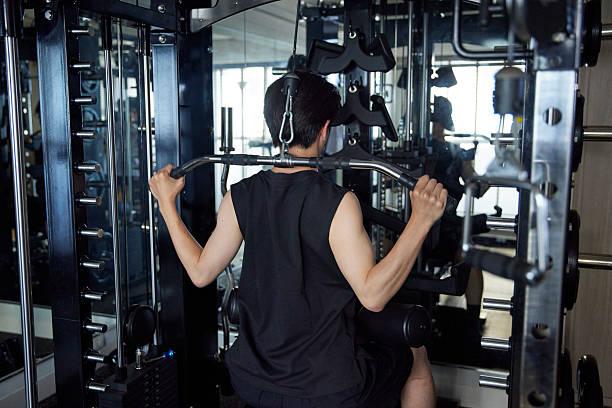
Strength training has become one of the most recommended forms of exercise for improving overall health, building lean muscle, and increasing long-term resilience. Yet despite its growing popularity, many beginners still hesitate to start because of persistent myths that simply refuse to disappear. These misconceptions often prevent people from training properly, progressing consistently, or even stepping into a gym in the first place. If you’re new to lifting, it’s time to separate fact from fiction.
One of the most common myths is that lifting weights will automatically make you bulky. This belief is especially widespread among beginners who associate strength training with professional bodybuilders. In reality, significant muscle growth requires years of structured programming, precise nutrition, and often genetic advantages. For most people, strength training improves muscle tone, posture, and metabolic health rather than creating excessive size. Building large amounts of muscle is a deliberate and demanding process — it doesn’t happen by accident.
Another widespread misconception is that cardio is better for fat loss than lifting weights. While cardiovascular exercise burns calories during the activity itself, strength training increases lean muscle mass, which in turn raises resting metabolic rate. This means you burn more calories even when you’re not exercising. A well-designed resistance training program, combined with proper nutrition, is often more effective for long-term fat loss than relying solely on treadmill sessions.
Many beginners also believe they must lift heavy weights immediately to see results. In truth, progress depends more on progressive overload and proper form than on ego-driven lifting. Starting with manageable weights allows you to learn correct technique, reduce injury risk, and build a foundation of strength. Gradually increasing resistance over time leads to sustainable results. Jumping straight to heavy loads often compromises form and delays progress rather than accelerating it.
There’s also the myth that machines are safer and free weights are dangerous. Both have their place in a balanced program. Free weights, such as dumbbells and barbells, engage stabilizing muscles and promote functional strength. Machines can be helpful for isolating specific muscle groups or for beginners learning movement patterns. The key is proper instruction, controlled execution, and appropriate weight selection — not the equipment type itself.
Another persistent belief is that older adults shouldn’t lift weights. In fact, strength training becomes more important with age. It helps maintain bone density, preserve muscle mass, improve balance, and reduce the risk of falls. Numerous studies confirm that resistance training supports long-term mobility and independence. Age is not a barrier to strength training; lack of proper guidance is.
Some beginners also think soreness equals effectiveness. Muscle soreness, particularly delayed onset muscle soreness (DOMS), is not a reliable indicator of progress. You can have an excellent workout without feeling extreme soreness the next day. Consistent progression, improved performance, and measurable strength gains are better indicators of success than post-workout discomfort.
There is also confusion around the idea that strength training is only for athletes. While elite competitors certainly rely on structured resistance programs, everyday individuals benefit just as much — if not more. Strength training supports joint stability, improves daily functional movements, enhances mental resilience, and contributes to overall metabolic health. It’s not reserved for competitive lifters; it’s a foundational component of general fitness.
Finally, many beginners believe they need an expensive commercial gym membership to start lifting. While gyms offer variety and atmosphere, effective strength training can also be done at home with quality equipment. Adjustable dumbbells, barbells, weight plates, benches, and racks provide everything necessary for structured progression. Reliable suppliers such as Weight Lifting World make it possible to build a practical home setup without compromising on equipment quality.
Strength training is not complicated, dangerous, or reserved for a select few. Most of the hesitation beginners feel comes from outdated myths rather than scientific reality. By focusing on proper technique, gradual progression, and consistent effort, anyone can safely integrate resistance training into their routine and enjoy its long-term physical and mental benefits.
Dispelling these myths is the first step toward building confidence under the bar. The second step is simply starting — with clarity, patience, and a commitment to long-term progress rather than quick fixes.

 English
 Arabic
 French
 Spanish
 Portuguese
 Deutsch
 Turkish
 Italiano
 Russian
 Romaian
 Portuguese (Brazil)
 Greek
Greek