


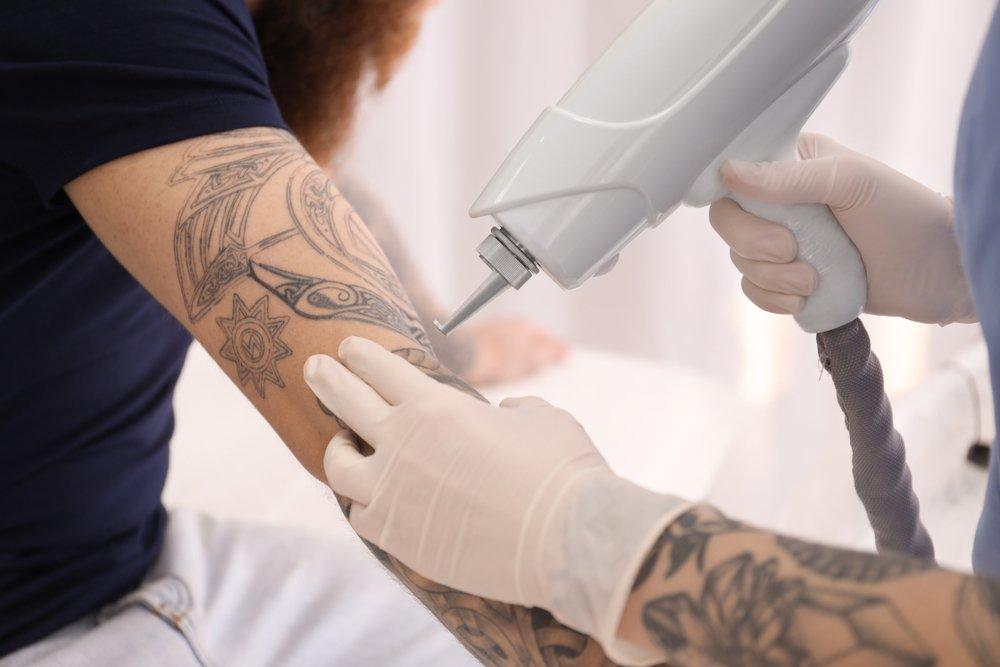
Permanent tattoo removal is a widely sought-after procedure, but the process and outcomes can vary depending on skin tone. The primary reason for this difference lies in how laser technology interacts with both tattoo ink and natural skin pigment. Understanding how tattoo removal works for dark and light skin tones helps set realistic expectations, improves safety, and supports better long-term results.
Permanent tattoo removal in Riyadh is an effective solution for individuals looking to safely eliminate unwanted ink and restore natural-looking skin.
Laser tattoo removal works by delivering concentrated light energy into the skin. This energy targets tattoo ink particles, breaking them into smaller fragments that the body’s immune system gradually clears away. However, laser energy does not exclusively target tattoo ink—it can also be absorbed by melanin, the pigment responsible for skin color. The amount of melanin present in the skin is the key factor that differentiates tattoo removal in light versus dark skin tones.
Tattoo Removal in Light Skin Tones
Individuals with light skin tones generally have lower melanin levels, which creates a strong contrast between the tattoo ink and the surrounding skin. This contrast allows laser energy to focus more precisely on the ink without significantly affecting the skin. As a result, higher laser settings can often be used safely, leading to faster ink breakdown and fewer treatment sessions.
Light skin tones typically experience a lower risk of pigmentation-related side effects such as hyperpigmentation or hypopigmentation. Healing is often more predictable, and the likelihood of achieving near-complete tattoo removal is higher, especially for black or dark-colored tattoos. Light skin also responds well to a wide range of ink colors, although lighter pigments like yellow or white remain challenging regardless of skin tone.
That said, light skin does not guarantee perfect results. Factors such as ink depth, tattoo age, location, and individual immune response still play a significant role. Overly aggressive laser settings can still cause burns, blistering, or scarring if not performed correctly.
Tattoo Removal in Dark Skin Tones
Tattoo removal in darker skin tones requires a more cautious and tailored approach due to higher melanin content. Melanin absorbs laser energy similarly to tattoo ink, increasing the risk that the skin itself may be affected during treatment. This can lead to complications such as post-inflammatory hyperpigmentation, hypopigmentation, burns, or textural changes if not properly managed.
Because of these risks, lower laser energy levels are often used for darker skin tones. While this approach improves safety, it can slow the tattoo removal process and increase the number of sessions required. Results may appear more gradual, but when performed correctly, effective fading and even complete removal are still possible.
Modern laser technologies and proper wavelength selection have significantly improved outcomes for darker skin tones. Longer wavelengths penetrate deeper into the skin and are less likely to interact with surface melanin, making them safer options. The experience and skill of the practitioner are especially critical for darker skin, as incorrect settings can lead to long-term pigmentation issues.
Differences in Healing and Aftercare
Healing responses can also differ between light and dark skin tones. Darker skin is more prone to pigment changes after inflammation or injury. Even minor irritation from laser treatment can trigger increased melanin production, resulting in dark spots. Strict adherence to aftercare instructions is essential to minimize these risks.
Sun protection is particularly important for all skin tones but is crucial for darker skin following tattoo removal. Sun exposure can worsen pigmentation changes and slow healing. Keeping the treated area moisturized, avoiding picking or scratching, and allowing sufficient time between sessions all support better outcomes.
Session Frequency and Expectations
Light skin tones often require fewer sessions and may see faster fading due to the ability to use stronger laser settings safely. Dark skin tones usually need more sessions spaced farther apart to allow full healing and pigment stabilization. Rushing treatments can increase complications without improving results.
It is important for individuals of all skin tones to understand that tattoo removal is a gradual process. Complete removal is not always guaranteed, particularly for large, colorful, or professionally applied tattoos. Patience and consistency are key factors in achieving the best results.
Safety and Personalization Are Essential
The most important consideration in tattoo removal—regardless of skin tone—is personalized treatment. Skin type, tattoo characteristics, medical history, and lifestyle factors must all be evaluated before starting the process. For darker skin tones especially, conservative treatment plans that prioritize safety over speed produce the most reliable long-term results.
In conclusion, permanent tattoo removal can be successful for both light and dark skin tones when approached correctly. Light skin generally allows for faster treatment with fewer risks, while dark skin requires careful laser selection, lower energy levels, and extended healing time. With proper technique, realistic expectations, and diligent aftercare, individuals of all skin tones can achieve significant tattoo fading or removal safely and effectively.

 English
 Arabic
 French
 Portuguese
 Deutsch
 Turkish
 Dutch
Dutch
 Italiano
 Russian
 Romaian
 Portuguese (Brazil)
 Greek
Greek