


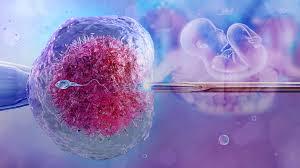
Endometriosis affects approximately 10-15% of women of reproductive age and up to 25-50% of women experiencing infertility. This chronic condition—where tissue similar to the uterine lining grows outside the uterus—creates unique challenges for women pursuing IVF. The relationship between endometriosis and fertility is complex: the disease can impair natural conception through multiple mechanisms, yet IVF often provides an effective pathway to pregnancy for women with endo. Understanding how endometriosis affects egg quality, implantation, and IVF outcomes, what treatments optimize success before starting IVF, which protocols work best, and realistic expectations for your specific situation empowers you to navigate fertility treatment with endometriosis strategically and successfully.
What is Endometriosis and How Does It Cause Infertility?
The Basics:
Endometriosis occurs when tissue resembling the uterine lining (endometrium) grows in locations outside the uterus:
- Ovaries (forming cysts called endometriomas or "chocolate cysts")
- Fallopian tubes
- Pelvic peritoneum (lining of pelvis)
- Bowel, bladder, or other pelvic organs
- Rarely, locations outside pelvis
This ectopic tissue responds to hormonal cycles like normal endometrium—thickening, breaking down, and bleeding monthly—but the blood has nowhere to escape, causing:
- Inflammation
- Scar tissue formation
- Adhesions (organs sticking together)
- Chronic pelvic pain
- Infertility
Endometriosis Stages:
The American Society for Reproductive Medicine (ASRM) classifies endometriosis in four stages:
Stage I (Minimal): Small, superficial implants Stage II (Mild): More extensive superficial implants Stage III (Moderate): Many deep implants, small endometriomas, adhesions Stage IV (Severe): Extensive deep implants, large endometriomas, dense adhesions
Important: Stage doesn't necessarily correlate with pain severity or fertility impact. Some women with stage I have severe symptoms and infertility, while some with stage IV have minimal symptoms.
How Endometriosis Causes Infertility:
Anatomical Distortion:
- Adhesions blocking or distorting fallopian tubes
- Scarring preventing egg pickup from ovary
- Altered pelvic anatomy interfering with fertilization
Inflammatory Environment:
- Chronic inflammation in pelvis
- Inflammatory mediators toxic to eggs, sperm, and embryos
- Hostile environment for conception
Ovarian Reserve Compromise:
- Endometriomas damage healthy ovarian tissue
- Reduced egg quantity (lower AMH, fewer antral follicles)
- Compromised egg quality
Immune Dysfunction:
- Altered immune response in pelvis
- May affect implantation
- Potential autoimmune component
Hormonal Abnormalities:
- Progesterone resistance
- Altered estrogen metabolism
- May affect endometrial receptivity
Impaired Implantation:
- Endometrial changes even in uterus without visible disease
- Molecular abnormalities affecting receptivity
- Reduced implantation rates even with IVF
Women with endometriosis have approximately 2-10 times higher infertility rates than women without the condition, depending on severity.
IVF Success Rates with Endometriosis
Success rates for women with endometriosis are generally slightly lower than age-matched controls but still encouraging:
By Endometriosis Stage:
Stage I-II (Minimal-Mild):
- Success rates: Near-normal or slightly reduced (5-10% lower)
- Often comparable to unexplained infertility
- Good prognosis with IVF
Stage III-IV (Moderate-Severe):
- Success rates: 10-20% lower than age-matched controls
- Still achieves pregnancy in 30-50% per cycle (age-dependent)
- Reduced ovarian reserve common
- May require multiple cycles
With Endometriomas:
- Presence of ovarian endometriomas reduces success by approximately 10-15%
- Larger endometriomas (>4cm) more problematic
- Previous surgery for endometriomas may further reduce ovarian reserve
Important Context:
While statistics show modest reductions, many women with endometriosis successfully achieve pregnancy through IVF. The key factors are:
- Age at treatment (younger = better)
- Ovarian reserve status
- Prior surgical history
- Specific endometriosis characteristics
- Optimization before IVF
When working with an experienced IVF center in Jaipur, your fertility specialist should tailor treatment approaches specifically for endometriosis patients rather than using standard protocols.
Pre-IVF Treatment Decisions: Surgery vs. Proceeding Directly to IVF
One of the most critical decisions for women with endometriosis is whether to pursue surgical treatment before IVF or proceed directly to fertility treatment.
Arguments for Surgical Treatment First
Laparoscopic Excision of Endometriosis:
Potential Benefits:
- Removes visible disease and inflammation
- May restore normal pelvic anatomy
- Can improve natural conception rates (especially stages I-II)
- Reduces pelvic pain
- Removes endometriomas if present
- May improve endometrial receptivity
Best Candidates for Surgery First:
- Younger women (under 35) with good ovarian reserve
- Stage I-II disease with blocked tubes
- Severe symptoms (debilitating pain)
- Large endometriomas (>4cm)
- Suspected deep infiltrating endometriosis
- Adequate time before needing treatment (surgery + recovery = 3-6 months)
Who Should Consider Natural Conception After Surgery:
- Stage I-II disease
- Tubes cleared by surgery
- Male partner has normal sperm
- Under 35 years old
- Good ovarian reserve
- 6-12 months trial reasonable before proceeding to IVF
Arguments for Proceeding Directly to IVF
Skip Surgery, Go Straight to IVF:
Rationale:
- IVF bypasses anatomical problems caused by endometriosis
- Surgery (especially for endometriomas) can damage ovarian reserve
- Time lost to surgery and recovery delays treatment
- IVF effective even with endometriosis present
- Can always do surgery later if IVF unsuccessful
Best Candidates for IVF Without Prior Surgery:
- Age 35+ (time is critical)
- Diminished ovarian reserve
- Previous endometriosis surgery already performed
- Small endometriomas (<3cm)
- Minimal symptoms
- Failed natural conception after previous surgery
- Male factor infertility present (surgery won't help)
- Tubal factor infertility (IVF necessary regardless)
Endometriomas: The Special Dilemma
Ovarian endometriomas ("chocolate cysts") create particular decision challenges:
Arguments for Removing Endometriomas Before IVF:
- Large cysts (>4-5cm) may interfere with stimulation
- Risk of infection if aspirated during egg retrieval
- May improve surrounding ovarian tissue environment
- Eliminates cancer concern (extremely rare but possible)
Arguments Against Removing Endometriomas:
- Surgery damages healthy ovarian tissue around cyst
- Permanently reduces ovarian reserve (10-40% of follicles lost)
- AMH drops significantly post-surgery
- May prevent future egg retrievals
- Small/moderate endometriomas (<4cm) usually don't interfere with IVF
Current Consensus:
- Endometriomas <3-4cm: Proceed to IVF without surgery in most cases
- Endometriomas >4-5cm: Surgery often recommended
- Bilateral large endometriomas: Very difficult decision—surgery damages reserve, but cysts interfere with stimulation
- Consider aspiration during retrieval for moderate cysts
Individual Assessment Critical: Each case requires personalized evaluation balancing age, ovarian reserve, symptoms, cyst size, and patient preferences.
An experienced IVF hospital in Jaipur should provide honest guidance about surgery vs. proceeding to IVF based on YOUR specific situation rather than rigid protocols.
Medical Suppression Before IVF
Some specialists recommend medical suppression of endometriosis before IVF:
GnRH Agonist Suppression (Lupron Depot):
Protocol:
- 2-6 months of GnRH agonist injections before IVF
- Creates temporary medical menopause
- Suppresses endometriosis activity
- "Quiets" the inflammatory environment
Theoretical Benefits:
- Reduces pelvic inflammation
- May improve egg quality
- Could enhance endometrial receptivity
- Some studies show improved pregnancy rates
Downsides:
- Menopausal side effects (hot flashes, mood changes, bone loss)
- Delays IVF by 2-6 months
- Additional cost
- Time delay problematic for older women
- Evidence mixed—not all studies show benefit
Who Might Benefit:
- Severe endometriosis (stage III-IV)
- Previous IVF failure attributed to endometriosis
- Young patients with time for suppression
- Severe symptoms needing relief
Who Probably Won't Benefit:
- Minimal-mild disease
- Age 38+ (time more critical)
- Diminished ovarian reserve
- Previous suppression didn't help
Decision: Discuss with your specialist. For severe disease in younger women, may be worth trying. For older women or diminished reserve, time delay often not justified.
Optimizing IVF Protocols for Endometriosis
Specific protocol adjustments may benefit women with endometriosis:
GnRH Antagonist vs. Agonist Protocols:
Antagonist Protocols: Often preferred for endometriosis patients
- Shorter suppression period
- Reduced estrogen exposure during stimulation
- May reduce inflammation
- Better for endometrioma patients
Long Agonist Protocols: Sometimes used
- Extended suppression phase might benefit severe disease
- More estrogen suppression pre-stimulation
- Some doctors prefer for endometriosis
Stimulation Medications:
- Standard FSH/LH protocols generally used
- Dosing adjusted based on ovarian reserve (often reduced in endometriosis patients)
- Careful monitoring to prevent overstimulation and minimize estrogen exposure
Freeze-All Strategy:
Many specialists recommend freezing all embryos rather than fresh transfer:
Rationale:
- High estrogen during stimulation may worsen inflammatory environment
- FET cycle allows better endometrial preparation
- Progesterone-only prep cycle ideal for endometriosis
- Some evidence for improved outcomes with FET in endo patients
Endometrial Preparation for FET:
- Progesterone-based protocols often preferred
- Avoids excessive estrogen stimulation
- Medicated cycles allowing precise hormonal control
- Natural cycles sometimes used but less predictable
Special Considerations for Diminished Ovarian Reserve
Endometriosis commonly causes reduced ovarian reserve through:
- Direct ovarian tissue damage
- Surgical removal of ovarian tissue
- Chronic inflammation affecting follicles
- Endometriomas destroying healthy ovarian tissue
If You Have Both Endometriosis AND Low AMH/High FSH:
Realistic Expectations:
- Fewer eggs retrieved per cycle
- May need multiple retrievals
- Embryo banking strategy beneficial
- PGT-A important given reduced quantity
Protocol Adjustments:
- May use higher stimulation doses
- Consider mini-IVF or natural cycle IVF
- Frequent monitoring critical
- Individualized trigger timing
Consider Aggressive Approach Early:
- Don't delay treatment
- Maximize every cycle
- Freeze embryos from multiple retrievals before transfers
- Seriously consider donor eggs if reserve severely diminished
Avoid Further Surgery:
- Surgery will further reduce already-compromised reserve
- Proceed to IVF with endometriomas present if possible
- Fertility preservation priority over symptom management at this stage
Egg Quality and Endometriosis
Research suggests endometriosis may affect egg quality through:
- Inflammatory mediators
- Oxidative stress
- Altered follicular fluid environment
- Granulosa cell dysfunction
Optimizing Egg Quality with Endometriosis:
Supplements (Start 3+ Months Before IVF):
- CoQ10 (600mg daily): Powerful antioxidant, especially important for endometriosis
- Melatonin (3mg nightly): Antioxidant with anti-inflammatory properties
- Vitamin D: Optimize levels (many endo patients deficient)
- Omega-3 fatty acids: Anti-inflammatory benefits
- NAC (N-acetylcysteine): May reduce endometriomas and improve egg quality
- Vitamin E and C: Antioxidant support
Diet:
- Anti-inflammatory Mediterranean diet
- Minimize red meat, processed foods
- Increase vegetables, fruits, omega-3 rich fish
- Some women benefit from eliminating dairy or gluten (individual variation)
Lifestyle:
- Stress reduction (meditation, yoga)
- Regular moderate exercise
- Adequate sleep (7-9 hours)
- Avoid endocrine disruptors (BPA, phthalates)
Medical Treatment:
- Some specialists recommend continuous birth control pills between cycles to suppress disease
- Consider anti-inflammatory medications (discuss with doctor)
Implantation and Endometriosis
Even with good embryos, implantation rates may be reduced in endometriosis due to:
- Endometrial molecular abnormalities
- Progesterone resistance
- Immune factors
- Altered receptivity markers
Strategies to Improve Implantation:
Endometrial Receptivity Array (ERA):
- May be particularly useful for endo patients
- Identifies personalized implantation window
- Consider after failed transfers with good embryos
Endometrial Scratch:
- Controversial but sometimes tried
- Creates intentional endometrial injury
- May improve receptivity in some patients
Immune Modulation (Controversial):
- Some specialists recommend:
- Prednisone (steroid)
- Baby aspirin
- Intralipid infusions
- Evidence limited but sometimes attempted after failures
PGT-A Testing:
- Strongly recommended for endometriosis patients
- Ensures only chromosomally normal embryos transferred
- Maximizes limited opportunities
- Reduces miscarriage risk
Optimal Embryo Selection:
- Transfer highest-quality blastocyst
- Single embryo transfer preferred
- Reserve additional embryos for future attempts
Managing Expectations and Multiple Cycles
Realistic Outlook:

 English
 Arabic
 Spanish
 Portuguese
 Deutsch
 Turkish
 Dutch
Dutch
 Italiano
 Russian
 Romaian
 Portuguese (Brazil)
 Greek
Greek