


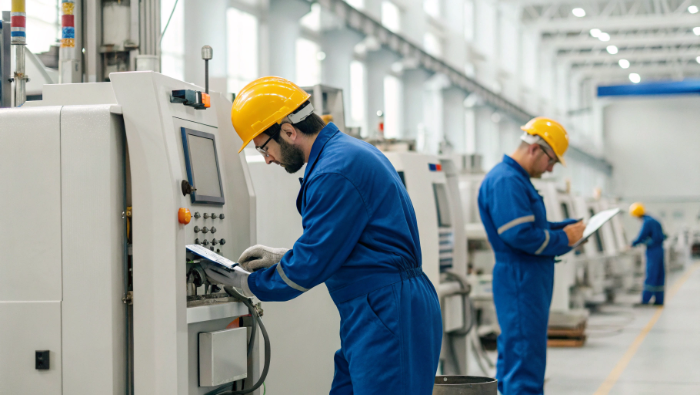
In today’s competitive industrial landscape, equipment reliability is more than a goal; it’s a necessity. Unexpected machine breakdowns can halt production, increase costs, and reduce overall efficiency. Organizations are turning to total productive maintenance management software to address these challenges effectively.
This article explores how a TPM (Total Productive Maintenance) system can enhance equipment reliability, streamline workflows, and ensure long-term operational success.
What is a Total Productive Maintenance Management Software?
A total productive maintenance management software is a structured approach to maintenance management that focuses on improving equipment reliability through proactive strategies. Unlike reactive maintenance, which addresses issues after they occur, TPM emphasizes preventive, predictive, and planned maintenance activities. The goal is to reduce downtime, extend asset lifespan, and maximize production efficiency.
TPM systems integrate tools, procedures, and employee involvement to create a culture of proactive maintenance. By combining technology with best practices, organizations can track asset performance, monitor machine health, and schedule maintenance activities before failures occur.
Key Principles of TPM
TPM operates on eight main pillars that collectively boost equipment reliability:
1. Autonomous Maintenance
Operators take responsibility for the daily care of machines, including inspections, lubrication, and minor repairs. This reduces the burden on maintenance teams and helps catch issues early.
2. Planned Maintenance
Scheduled maintenance activities are based on machine usage and manufacturer guidelines. This prevents unexpected breakdowns and ensures continuous production.
3. Quality Maintenance
TPM emphasizes maintaining equipment in optimal condition to produce defect-free products. Fewer defects mean less downtime and improved reliability.
4. Focused Improvement
Teams identify recurring issues and implement small, targeted improvements to eliminate root causes of breakdowns.
5. Early Equipment Management
New equipment is designed and installed with maintainability in mind. Early involvement ensures easier maintenance, fewer breakdowns, and higher reliability.
6. Training and Skill Development
Employees are trained in maintenance best practices, equipment handling, and troubleshooting techniques. Skilled personnel are critical to sustaining TPM initiatives.
7. Safety, Health, and Environment
TPM ensures that maintenance activities prioritize worker safety and environmental standards, reducing risk during operations.
8. TPM in Administration
Support functions such as inventory management and maintenance scheduling are also optimized, creating a smooth workflow that supports reliable equipment performance.
How Total Productive Maintenance Management Improves Reliability
-
Proactive Problem Detection
One of the biggest advantages of a TPM maintenance management software is its focus on preventive measures. Equipment is monitored regularly, and small problems are addressed before they escalate into costly breakdowns. This proactive approach keeps machines running smoothly and reduces emergency repairs.
-
Reduced Downtime
Downtime can be devastating to production schedules. TPM ensures maintenance is planned and scheduled, minimizing unscheduled stoppages. This leads to higher production efficiency and more consistent output.
-
Extended Equipment Lifespan
Regular maintenance keeps machines operating under optimal conditions. Components wear less quickly, and systems last longer. Over time, this reduces the total cost of ownership and increases return on investment.
-
Optimized Maintenance Tasks
A maintenance management solution helps prioritize tasks based on criticality and the condition of equipment. Resources are allocated efficiently, preventing over-maintenance of low-priority assets and ensuring high-priority machines receive timely attention.
-
Enhanced Data-Driven Decisions
Modern TPM systems provide real-time monitoring, reports, and analytics. Maintenance teams can identify patterns, predict failures, and make informed decisions that further improve reliability.
Steps to Implement a Total Productive Maintenance System
Step 1: Assess Current Equipment Condition
Before implementing TPM, it’s essential to evaluate the current condition of all equipment. Identify critical assets, frequent failure points, and high-cost downtime areas.
Step 2: Develop a Maintenance Strategy
Create a clear plan for preventive, predictive, and corrective maintenance activities. Prioritize tasks based on equipment criticality and production impact.
Step 3: Train Employees
Provide training to operators, maintenance staff, and supervisors. Focus on equipment handling, inspection routines, and basic repair skills.
Step 4: Implement Monitoring Tools
Use digital maintenance management solutions to track work orders, monitor machine performance, and generate reports. Technology ensures data-driven decisions and accountability.
Step 5: Continuously Improve Processes
Regularly review TPM performance metrics, identify areas for improvement, and make small, continuous adjustments. Focused improvements help eliminate recurring problems.
Benefits of Using a Maintenance Management Solution
-
Higher Equipment Availability: Machines run longer with fewer interruptions.
-
Lower Maintenance Costs: Predictive approaches reduce emergency repairs and expensive part replacements.
-
Better Workforce Productivity: Operators and technicians can focus on high-value tasks.
-
Improved Safety: Proactive maintenance reduces accidents caused by faulty equipment.
-
Consistent Product Quality: Reliable machines produce more consistent and defect-free products.
Conclusion
A total productive maintenance management system is a powerful tool for boosting equipment reliability. By combining preventive practices, operator involvement, structured workflows, and modern monitoring tools, organizations can reduce downtime, extend asset life, and maintain consistent production. For any organization that depends on machinery, TPM systems are no longer optional; they are essential for long-term operational success.
Don’t let unexpected breakdowns stop your business. Experience MicroMain’s total productive maintenance system today and protect your equipment, boost reliability, and keep operations running smoothly, before downtime costs more!
Frequently Asked Questions
1. What is total productive maintenance?
Total productive maintenance is a proactive approach that involves operators and technicians in preventive and predictive maintenance to maximize equipment reliability.
2. How does a maintenance management solution work?
It organizes, tracks, and schedules maintenance tasks to prevent breakdowns and optimize asset performance.
3. Why is TPM important for manufacturing?
TPM reduces downtime, extends equipment life, and ensures consistent production quality in manufacturing facilities.
4. Can TPM reduce emergency maintenance?
Yes, by detecting issues early and scheduling preventive actions, TPM minimizes unplanned emergency repairs.
5. How do I implement a TPM system?
Start by assessing equipment, training staff, scheduling preventive maintenance, and using a system to monitor tasks and performance.

 English
 Arabic
 French
 Spanish
 Portuguese
 Deutsch
 Turkish
 Dutch
Dutch
 Russian
 Romaian
 Portuguese (Brazil)
 Greek
Greek