


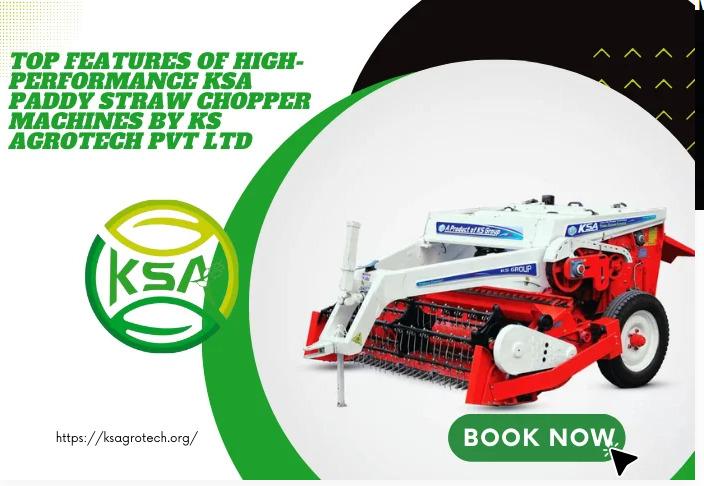
Silage cutter machines serve as essential equipment for dairy and livestock farmers, efficiently chopping green fodder crops such as maize, sorghum, napier grass, and hybrid grasses into uniform pieces for high-quality silage preparation. Proper chopping size enhances compaction, fermentation, and nutrient retention, making these machines indispensable for year-round feed availability.
Main Types Available
Basic single-row or multi-row forage choppers handle small to medium farms with tractor PTO power. Self-propelled models offer greater mobility and higher output for large operations. Electric-powered stationary cutters suit confined spaces or areas with reliable electricity, while diesel-driven units provide flexibility in remote fields. Some advanced versions include adjustable chop length settings from 5 mm to 25 mm for customized silage quality.
Typical Price Ranges in 2025
Silage cutter machine price depends heavily on capacity and features. Entry-level PTO-operated models with 1-3 tons per hour capacity generally range from ₹80,000 to ₹2,50,000. Mid-range tractor-mounted choppers processing 5-10 tons hourly fall between ₹3,00,000 and ₹7,50,000. High-capacity self-propelled or heavy-duty machines capable of 15+ tons per hour often cost ₹8,00,000 to ₹20,00,000 or more. Stationary electric units start lower, around ₹1,00,000 to ₹4,00,000, depending on motor strength and blade quality.
Factors Affecting Pricing
Capacity remains the primary driver—higher throughput requires stronger frames, powerful engines, and durable hardened steel blades, increasing costs. Chop length adjustability, conveyor systems, and safety features add to the expense. Power source influences pricing, with diesel models typically higher due to engine complexity. Build quality, including corrosion-resistant coatings and reinforced components for longevity, also plays a significant role. Regional availability, transportation charges, and current raw material costs contribute to variations across markets.
Investment Benefits
These machines reduce manual chopping labor dramatically, ensure consistent particle size for better silage fermentation, minimize nutrient loss, and support higher milk yields through nutritious preserved fodder. Efficient operation lowers overall feed costs and helps manage dry-season shortages effectively.
Buying Considerations
Match machine capacity to daily fodder requirements and available tractor horsepower. Prioritize models with easy blade maintenance, reliable spare parts supply, and strong warranty coverage. Compare multiple suppliers for competitive offers and after-sales service quality.
Choosing the right silage cutter machine at a suitable price boosts fodder preservation efficiency, livestock productivity, and long-term farm profitability.

 Arabic
 French
 Spanish
 Portuguese
 Deutsch
 Turkish
 Dutch
Dutch
 Italiano
 Russian
 Romaian
 Portuguese (Brazil)
 Greek
Greek