


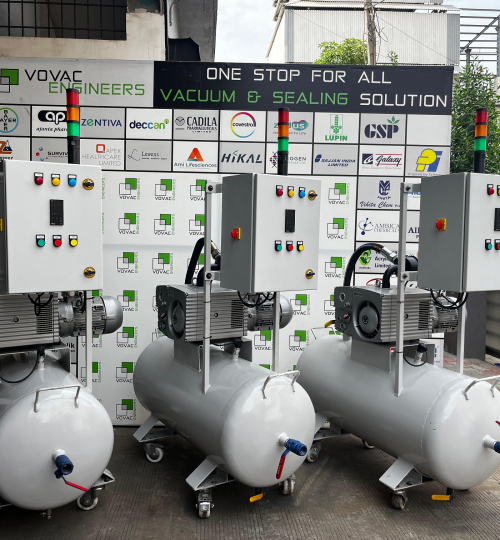
Vacuum systems are a cornerstone of modern industry in the United States, supporting operations in manufacturing, healthcare, pharmaceuticals, food processing, energy production, and research laboratories. At the center of these systems is the vacuum pump—an essential mechanical device responsible for removing air and gases to create controlled pressure environments. To ensure consistent operation and long-term reliability, vacuum pump maintenance is a critical requirement.
Without routine and structured maintenance, vacuum pumps can experience efficiency losses, mechanical failures, and unplanned downtime. In industries where production continuity is vital, such disruptions can result in significant financial and operational consequences. A comprehensive approach to vacuum pump maintenance helps organizations maintain system integrity, reduce repair costs, and extend equipment lifespan.
This guide outlines the importance of vacuum pump maintenance, key components involved, preventive strategies, common issues, and considerations specific to operating conditions across the United States.
Understanding the Importance of Vacuum Pump Maintenance
Vacuum pumps operate under demanding conditions, often running continuously in high-temperature or chemically aggressive environments. Over time, internal components are exposed to wear, contamination, and thermal stress. Even minor performance degradation can compromise entire processes.
Vacuum pump maintenance plays several essential roles:
-
Ensures stable vacuum levels
-
Reduces unexpected equipment failure
-
Improves energy efficiency
-
Protects product quality in sensitive processes
-
Extends overall equipment life
In many American industries, vacuum systems are integrated into automated production lines. A failure in one pump can halt operations, making preventive maintenance a strategic necessity rather than an optional task.
Types of Vacuum Pumps and Their Maintenance Needs
Different pump technologies require tailored maintenance approaches. While maintenance principles remain consistent, understanding pump type is crucial.
Rotary Vane Pumps
Common in industrial and laboratory settings, rotary vane pumps rely on vanes that slide within a rotor. These pumps often use oil for lubrication and sealing.
Maintenance Focus: Regular oil changes, vane inspection, and filter replacement are essential to prevent contamination and wear.
Dry Vacuum Pumps
Dry pumps operate without oil in the pumping chamber. They are frequently used in semiconductor and pharmaceutical applications.
Maintenance Focus: Cleaning internal components, inspecting seals, and monitoring bearing performance are key tasks.
Liquid Ring Pumps
These pumps use liquid—often water—to create a seal and compress gases. They are commonly found in chemical and petrochemical industries.
Maintenance Focus: Monitoring liquid quality, preventing scale buildup, and inspecting impellers are primary service tasks.
Scroll Pumps
Used in laboratories and analytical systems, scroll pumps provide oil-free operation and quiet performance.
Maintenance Focus: Tip seal replacement and internal inspection help maintain consistent vacuum performance.
Each pump type has unique service intervals, but all benefit from structured vacuum pump maintenance programs.
Core Components Inspected During Vacuum Pump Maintenance
Routine maintenance typically includes detailed inspection of several critical components:
Seals and Gaskets
Seals maintain vacuum integrity and prevent leaks. Over time, they may deteriorate due to heat, pressure, or chemical exposure.
Maintenance Action: Replace worn seals promptly to avoid vacuum loss and contamination.
Bearings
Bearings support rotating parts and reduce friction. Excessive noise or vibration often signals wear.
Maintenance Action: Monitor vibration levels and replace bearings before they fail.
Filters
Inlet and exhaust filters prevent debris from entering sensitive components.
Maintenance Action: Inspect filters regularly and replace clogged units to maintain airflow and pressure stability.
Lubrication Systems
For oil-sealed pumps, clean oil is essential for proper sealing and cooling.
Maintenance Action: Perform scheduled oil changes and check oil quality to prevent sludge buildup.
Cooling Systems
Vacuum pumps generate heat during operation. Air-cooled or water-cooled systems must function properly to prevent overheating.
Maintenance Action: Clean cooling fins, verify airflow, and inspect water circulation where applicable.
Establishing a Preventive Vacuum Pump Maintenance Schedule
A structured maintenance schedule is the foundation of effective vacuum pump maintenance. While exact intervals vary depending on usage intensity and environmental conditions, a general framework includes:
Daily Monitoring
-
Observe operating temperature
-
Check for unusual noise
-
Verify vacuum pressure stability
-
Inspect for visible leaks
Monthly Inspections
-
Examine filters and replace if necessary
-
Inspect electrical connections
-
Review vibration levels
-
Monitor oil condition (if applicable)
Quarterly Maintenance
-
Inspect seals and gaskets
-
Evaluate motor performance
-
Check alignment and mounting
-
Test overall system efficiency
Annual Servicing
-
Conduct a comprehensive internal inspection
-
Replace high-wear components
-
Perform detailed performance testing
-
Review maintenance records for trend analysis
Facilities operating in high-demand environments, such as semiconductor fabrication plants or chemical processing facilities, may require more frequent maintenance.
Common Problems Identified Through Vacuum Pump Maintenance
Regular vacuum pump maintenance often uncovers early signs of mechanical or operational issues.
Reduced Pumping Speed
Clogged filters, worn vanes, or internal buildup can reduce pumping efficiency.
Resolution: Clean components and replace worn parts to restore performance.
Overheating
Insufficient cooling, low oil levels, or excessive workload can cause temperature spikes.
Resolution: Improve ventilation, verify cooling systems, and ensure proper load conditions.
Excessive Vibration
Misalignment, worn bearings, or rotor imbalance may lead to vibration.
Resolution: Conduct alignment checks and replace defective components.
Vacuum Leaks
Leaks compromise system integrity and increase energy consumption.
Resolution: Identify and seal leaks promptly to maintain stable vacuum levels.
Addressing these issues early prevents larger system failures and expensive repairs.
Environmental Factors in the United States
Operating environments across the United States vary widely, and vacuum pump maintenance strategies should reflect these conditions.
Humid Regions
High humidity can promote corrosion and moisture contamination within pump systems.
Maintenance Consideration: Inspect for rust and ensure adequate moisture control.
Dust-Prone Areas
Industrial and desert regions may expose pumps to airborne particulates.
Maintenance Consideration: Increase filter inspection frequency and maintain clean intake areas.
Cold Climate States
Low temperatures can affect oil viscosity and startup performance.
Maintenance Consideration: Follow proper startup procedures and use suitable lubricants.
Coastal Areas
Salt-laden air accelerates corrosion of external components.
Maintenance Consideration: Apply protective coatings and inspect metal surfaces regularly.
Adapting maintenance practices to regional conditions ensures long-term reliability.
Energy Efficiency and Sustainability
Energy consumption is a significant operational cost in industrial facilities. Poorly maintained vacuum pumps often require more energy to achieve desired vacuum levels.
Effective vacuum pump maintenance improves energy efficiency by:
-
Reducing friction and mechanical resistance
-
Maintaining proper sealing
-
Preventing airflow restrictions
-
Ensuring optimal motor performance
Lower energy use not only reduces operating expenses but also supports sustainability goals across industries.
The Role of Monitoring and Documentation
Accurate documentation strengthens vacuum pump maintenance programs. Service logs should include:
-
Maintenance dates
-
Parts replaced
-
Performance measurements
-
Observed irregularities
Advanced facilities may use predictive maintenance technologies, including vibration monitoring and thermal imaging. These tools help detect issues before visible symptoms appear, allowing timely intervention.
Data-driven maintenance strategies reduce downtime and optimize equipment lifespan.
Safety Considerations in Vacuum Pump Maintenance
Safety is an integral aspect of vacuum pump maintenance. Pumps involve electrical systems, pressurized gases, and moving mechanical parts. Proper procedures include:
-
Disconnecting power sources before servicing
-
Depressurizing systems prior to disassembly
-
Wearing appropriate protective equipment
-
Following applicable safety regulations
Adhering to established safety protocols minimizes workplace hazards and ensures compliance with U.S. occupational standards.
Long-Term Benefits of Consistent Vacuum Pump Maintenance
Organizations that implement comprehensive vacuum pump maintenance programs experience measurable advantages:
-
Reduced emergency repair costs
-
Improved operational reliability
-
Extended equipment service life
-
Enhanced product quality
-
Lower total cost of ownership
Preventive maintenance is generally more cost-effective than reactive repairs. By identifying minor issues before they escalate, facilities can maintain stable operations and avoid costly production interruptions.
Conclusion
Vacuum pump maintenance is a critical operational strategy for industries across the United States. Whether used in manufacturing, healthcare, research, or energy production, vacuum pumps must operate efficiently and reliably to support essential processes.
Through structured maintenance schedules, regular inspections, and attention to environmental conditions, organizations can safeguard their equipment investments and maintain consistent system performance. From daily monitoring to comprehensive annual servicing, every aspect of vacuum pump maintenance contributes to operational stability and long-term efficiency.
In an increasingly competitive industrial landscape, maintaining reliable vacuum systems is not simply a technical requirement—it is a foundational element of productivity, safety, and sustainability.

 English
 Arabic
 French
 Spanish
 Portuguese
 Deutsch
 Turkish
 Dutch
Dutch
 Italiano
 Russian
 Romaian
 Portuguese (Brazil)