


Selling a house sounds simple when you say it out loud. Put it on the market. Show it. Close it. Done.
Reality is messier. Way messier.
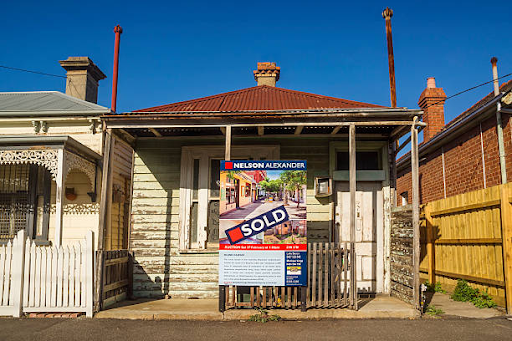
If you’ve ever tried to sell a place that isn’t in perfect shape, you already know what I’m talking about. Peeling paint. A roof that’s “still good for a few years” (probably). Old wiring. A bathroom that hasn’t been touched since the late 90s. Buyers walk through, nod politely, then either disappear or come back with a list of repairs longer than your arm.
That’s where cash buyers for homes come in. Not magic. Not charity. Just a different way of doing business. And for a lot of sellers, especially the ones who are tired or stuck or just done, it removes a huge layer of stress.
Let’s talk about how.
Why Traditional Sales Turn Into Repair Nightmares
Here’s the thing most agents won’t say straight.
When you list a house the traditional way, you’re signing up for scrutiny. Inspections. Appraisals. Requests for credits. Buyers asking you to fix a cracked tile like it’s a structural emergency.
It starts small. “Can you repaint that room?”
Then it snowballs. “The HVAC is old.”
Then you’re replacing water heaters and patching drywall you didn’t even know was damaged.
And if the buyer is using a mortgage? The lender has its own standards. They won’t finance a property with certain issues. So even if the buyer doesn’t care about a loose railing, the bank might.
Now you’re scrambling. Contractors. Estimates. Delays. And every delay increases the risk that the deal falls apart anyway.
Selling a house shouldn’t feel like managing a renovation project. But it often does.
What Selling As-Is Actually Means
“As-is” gets thrown around a lot. Some people hear it and assume it means you’re hiding something.
Not necessarily.
Selling as-is simply means you’re not agreeing to make repairs. The condition of the home is the condition of the home. No upgrades. No patch jobs to make it look prettier for photos.
With traditional buyers, selling as-is still doesn’t protect you from negotiations. They can inspect and ask for concessions. They can walk away if they don’t like what they see.
With cash buyers for homes, the model is different. They evaluate the property in its current state and make an offer based on that. The repairs are factored in from the start. No last-minute “surprises” used as leverage.
It’s cleaner. More direct.
No Showings. No Staging. No Pretending
Let’s be honest about showings.
They’re exhausting.
You clean. Then you clean again. You hide the laundry basket. You leave during dinner because someone wants to see the house at 6:30. You try to pretend the dog doesn’t exist.
And all of that for people who might not even be serious buyers.
When you work with a direct home buyer paying cash, there aren’t weeks of random strangers walking through your living room. Usually it’s a simple walkthrough. Sometimes just one visit. That’s it.
No open houses. No professional staging. No paying to repaint just to “neutralize the space.”
You get to skip that circus.
For people juggling work, kids, maybe even a relocation deadline, that alone is worth something.
When Repairs Just Aren’t in the Budget
Here’s a scenario I see all the time.
The house needs work. Roof, electrical, maybe foundation. The owner knows it. But the money to fix it isn’t there. Or it doesn’t make financial sense to invest twenty or thirty grand just to list the place.
Traditional buyers want move-in ready. Or at least close.
Cash buyers look at the same property and think differently. They expect issues. They build renovation costs into their numbers. They’re not emotionally attached to paint colors or outdated kitchens.
If you search phrases like we buy houses ny, you’ll see how common this is in certain markets. Older housing stock. Deferred maintenance. Inherited properties that haven’t been updated in decades. In those situations, fixing everything before selling isn’t realistic.
Selling as-is becomes less about convenience and more about survival.
Sometimes you just need out.
Speed Changes the Game
Time matters more than people admit.
If you’re facing foreclosure, you don’t have six months to test the market. If you inherited a property out of state, you probably don’t want to manage contractors from a thousand miles away. If you’re going through a divorce, dragging out a sale just adds fuel to the fire.
Cash transactions move faster because there’s no lender in the middle. No drawn-out underwriting. No waiting for final loan approvals.
It doesn’t mean every sale happens overnight. But it’s usually weeks, not seasons.
And speed reduces risk. Fewer moving parts. Fewer chances for someone to back out because their financing changed or they found another house they liked better.
It’s not glamorous. It’s practical.
Less Negotiation, Fewer Headaches
You know that feeling when a buyer comes back after inspection and suddenly wants ten thousand off?
Even if you expected it, it still feels like a punch.
The traditional route almost assumes a second round of negotiation. The first offer is rarely the final number. There’s tension. Back-and-forth. Sometimes ugly conversations about what your home is “really worth.”
Cash buyers for homes tend to operate differently. They do their evaluation upfront. They run their numbers. Then they present an offer.
Could you maybe get more listing it the conventional way? Possibly. Sometimes yes. But you’re trading potential upside for certainty.
And for many sellers, certainty wins.
Because stress has a cost too. Time has a cost. Carrying a mortgage another six months while hoping for a better offer has a cost.
Not every decision is about squeezing out the absolute highest dollar. Sometimes it’s about clean exits.
Who Typically Chooses This Route
It’s not just people in crisis. That’s a common assumption.
Sure, homeowners facing foreclosure look at selling as-is. So do landlords who are tired of dealing with tenants and repairs. Families who inherit properties they don’t want. People relocating for work and unwilling to manage a house from afar.
Then there are the burned-out homeowners. The ones who tried listing. Did the showings. Dealt with flaky buyers. And after one or two failed contracts, they’re just done.
They want a straightforward transaction. Clear timeline. No drama.
It’s not about being desperate. It’s about valuing simplicity.
Is the Offer Lower? Sometimes. But Here’s the Trade-Off
Let’s address the elephant in the room.
Yes, a cash offer on an as-is property is often below retail market value.
That’s not a secret. It shouldn’t be.
The buyer is taking on repair risk, resale risk, and tying up their own capital. They’re building in margins for uncertainty.
But compare that to paying for repairs yourself. Realtor commissions. Closing costs. Utilities during months on the market. The mental toll of living in constant “show-ready” mode.
When you line everything up, the gap isn’t always as dramatic as it first appears.
And even when it is, some sellers still choose the simpler path. Less upside, more peace of mind.
You have to decide what matters more in your situation.
The Real Benefit: Removing the Emotional Weight
Houses carry stories. And sometimes those stories are heavy. Maybe it’s a property tied to a tough chapter. Maybe it’s just constant maintenance wearing you down. Maybe you feel embarrassed by its condition and don’t want neighbors judging. Choosing to sell home for cash removes that layer of performance. You don’t have to pretend the house is something it’s not. You don’t have to explain every crack in the ceiling. It is what it is. And someone is willing to buy it that way. That’s freeing, in a weird way. No more hiding flaws. No more patching over problems just long enough to pass inspection. Just a transaction that acknowledges reality.
Conclusion: Sometimes Simple Is Better
Selling a home the traditional way works great for properties that shine. Updated kitchens. Fresh paint. No major issues.
But not every house fits that mold. And not every seller has the time, money, or energy to make it fit.
Cash buyers for homes offer an alternative. Not perfect. Not always the highest number on paper. But straightforward. Fast. And honest about the property’s condition from day one.
If repair lists are piling up and the thought of managing another contractor makes your head hurt, selling as-is might make more sense than you think.
At the end of the day, it’s not about impressing the market. It’s about solving your problem. And sometimes the best solution isn’t flashy.

 English
 Arabic
 French
 Portuguese
 Deutsch
 Turkish
 Dutch
Dutch
 Italiano
 Russian
 Romaian
 Portuguese (Brazil)
 Greek
Greek