


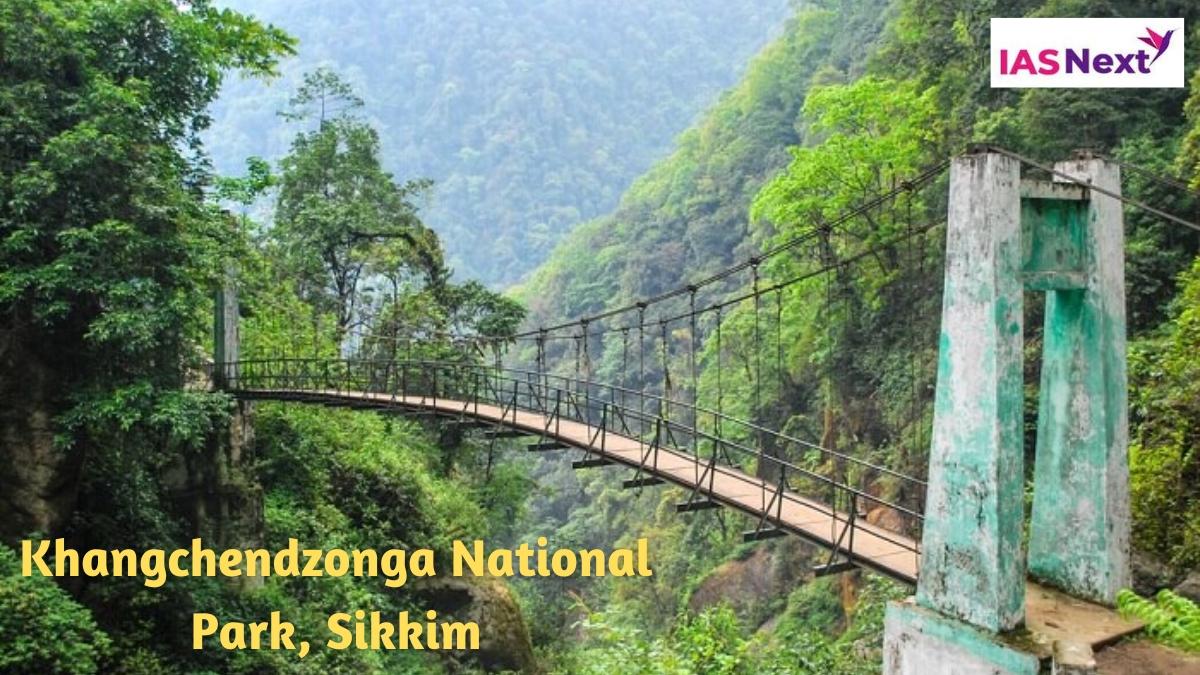
Sikkim, nestled in the Eastern Himalayas, is one of India’s richest biodiversity hotspots. The Popular Wildlife Sanctuaries in Sikkim are not just havens for wildlife but also eco-tourism destinations that attract trekkers, researchers, and nature lovers from across the globe. Known for its snow-capped peaks, alpine meadows, and pristine forests, the state is home to rare species like the red panda, snow leopard, Himalayan musk deer, and countless birds.
Why Visit Wildlife Sanctuaries in Sikkim
-
Rare Species: Red panda, snow leopard, Himalayan black bear, blue sheep.
-
Birdlife: Hornbills, pheasants, partridges, migratory species.
-
Adventure: Trekking, camping, birdwatching, and eco-tourism.
-
Cultural Immersion: Many sanctuaries are located near monasteries and tribal villages.
-
Sustainability: Eco-tourism initiatives promote conservation and community involvement.
Popular Wildlife Sanctuaries in Sikkim
1. Khangchendzonga National Park
-
Highlights: UNESCO World Heritage Site, Kangchenjunga peak, glaciers, alpine forests.
-
Wildlife: Snow leopard, Himalayan tahr, musk deer.
-
Experience: Trekking routes like Goecha La, camping, and cultural immersion.
2. Kyongnosla Alpine Sanctuary
-
Highlights: Located near Tsomgo Lake, alpine vegetation.
-
Wildlife: Red panda, Himalayan black bear, pheasants.
-
Experience: Ideal for birdwatching and short treks.
3. Maenam Wildlife Sanctuary
-
Highlights: Panoramic views of Mount Kanchenjunga and Teesta River.
-
Wildlife: Red panda, civet cats, goral.
-
Experience: Trekking trails leading to Maenam Peak.
4. Fambong Lho Wildlife Sanctuary
-
Highlights: Dense forests, orchids, butterflies.
-
Wildlife: Barking deer, Himalayan black bear, red panda.
-
Experience: Located close to Gangtok, perfect for family trips.
5. Pangolakha Wildlife Sanctuary
-
Highlights: Borders Bhutan and Tibet, diverse ecosystems.
-
Wildlife: Snow leopard, Himalayan monal, red panda.
-
Experience: Trekking routes and birdwatching opportunities.
6. Shingba Rhododendron Sanctuary
-
Highlights: Famous for rhododendron blooms (40+ species).
-
Wildlife: Musk deer, Himalayan birds.
-
Experience: Located in Yumthang Valley, ideal for spring visits.
7. Kitam Bird Sanctuary
-
Highlights: Birdwatcher’s paradise with over 200 species.
-
Wildlife: Grey-headed flycatcher, Himalayan monal, partridges.
-
Experience: Accessible year-round, located in South Sikkim.
8. Barsey Rhododendron Sanctuary
-
Highlights: Trekking trails, rhododendron forests.
-
Wildlife: Red panda, Himalayan black bear.
-
Experience: Famous for the Barsey Rhododendron Festival.
9. Lhonak Valley Sanctuary (Proposed)
-
Highlights: Remote high-altitude valley.
-
Wildlife: Blue sheep, snow leopard.
-
Experience: Offbeat trekking destination.
Sample Itinerary: 7 Days Wildlife Tour in Sikkim
Day 1 – Arrival in Gangtok
-
Visit Fambong Lho Sanctuary.
Day 2 – Gangtok to Tsomgo Lake
-
Explore Kyongnosla Alpine Sanctuary.
Day 3 – Gangtok to Lachung
-
Visit Shingba Rhododendron Sanctuary.
Day 4 – Yumthang Valley Exploration
-
Birdwatching and rhododendron trails.
Day 5 – Lachung to Pelling
-
Explore Maenam Wildlife Sanctuary.
Day 6 – Pelling to Barsey
-
Trekking in Barsey Rhododendron Sanctuary.
Day 7 – Departure
-
Shopping for handicrafts and souvenirs.
Experiences in Sikkim’s Wildlife Sanctuaries
-
Trekking: Goecha La, Maenam Peak, Barsey trails.
-
Camping: Alpine meadows and forest zones.
-
Birdwatching: Kitam and Pangolakha sanctuaries.
-
Flora Exploration: Rhododendron blooms in Shingba and Barsey.
-
Cultural Immersion: Visits to monasteries near sanctuaries.
Best Time to Visit Wildlife Sanctuaries in Sikkim
-
March to June: Pleasant weather, rhododendron blooms.
-
July to September: Monsoon greenery, though trekking may be restricted.
-
October to December: Clear skies, ideal for mountain views.
-
January to February: Snowfall in higher regions, perfect for winter lovers.
Travel Tips
-
Carry woolens for higher altitudes.
-
Book permits in advance for restricted areas.
-
Respect eco-tourism guidelines—avoid littering and noise pollution.
-
Keep binoculars and cameras for birdwatching.
-
Stay hydrated at high altitudes.
Challenges in Wildlife Tourism
-
Altitude Concerns: High-altitude sanctuaries may not suit everyone.
-
Permit Restrictions: Certain areas require special permits.
-
Weather Extremes: Sudden changes in climate can affect plans.
Government & Private Initiatives
-
Eco-Tourism Projects: Promoting sustainable wildlife tours.
-
Conservation Programs: Red panda and snow leopard protection initiatives.
-
Festival Promotion: Rhododendron festivals and awareness campaigns.
Future of Wildlife Sanctuaries in Sikkim
-
Eco-friendly Tourism: Greater emphasis on sustainability.
-
Digital Integration: Online booking and virtual tours.
-
Luxury Expansion: More boutique eco-resorts and wellness retreats.
-
Adventure Tourism: Expansion of trekking, camping, and birdwatching facilities.
Conclusion
The Popular Wildlife Sanctuaries in Sikkim are gateways to Himalayan biodiversity and cultural richness. Whether you’re spotting red pandas in Fambong Lho, trekking through Barsey’s rhododendron forests, or camping near Gurudongmar Lake, Sikkim offers unforgettable experiences. With diverse sanctuaries catering to adventurers, birdwatchers, and cultural explorers alike, Sikkim remains a timeless destination for eco-tourism and conservation.

 English
 Arabic
 French
 Portuguese
 Deutsch
 Turkish
 Dutch
Dutch
 Italiano
 Russian
 Romaian
 Portuguese (Brazil)
 Greek
Greek