


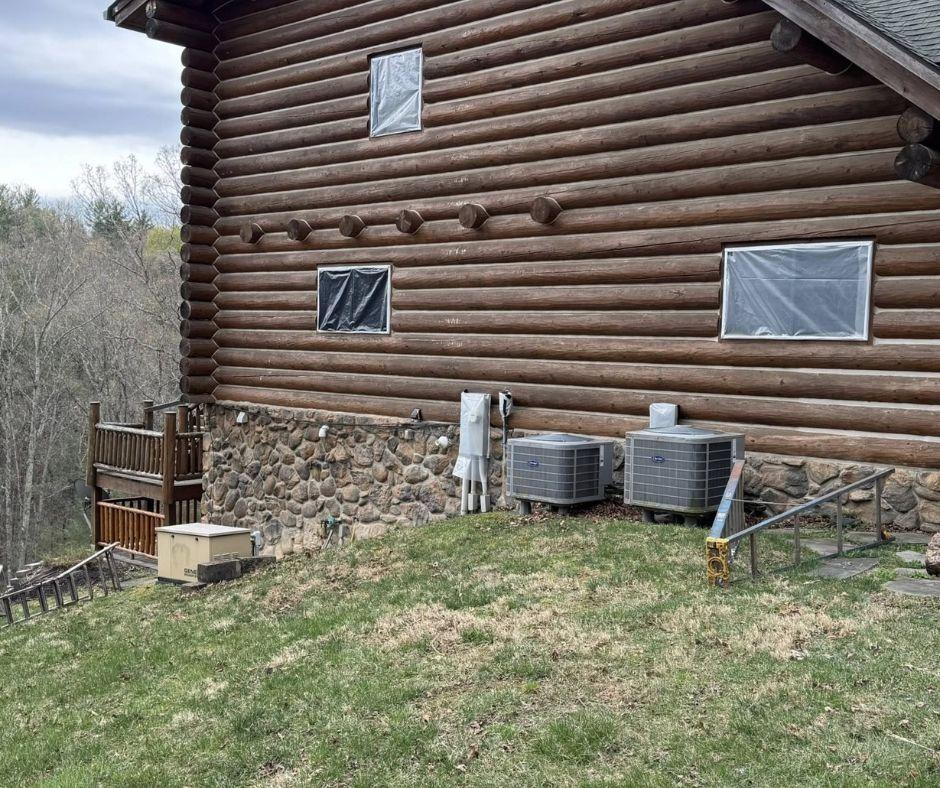
There’s something special about living in a log house. It’s rustic, cozy, and honestly, it has a kind of charm that just grabs you the moment you step inside. But here’s the truth: those logs don’t take care of themselves. You can’t just move in and expect your home to stay pristine forever. It needs attention. That’s where log house maintenance comes in. It’s not glamorous, it’s not fun all the time, but it’s absolutely necessary if you want your home to look good and stay safe for years to come. Neglect it, and you’ll end up with bigger problems—rotting wood, leaks, infestations, and all the headaches nobody wants to deal with.
Understanding Your Logs and Their Needs
Logs are living things, in a way. They expand, contract, and react to weather. Sunlight dries them, rain seeps in, and the cold makes them shrink. Over time, that constant movement can cause cracks, splits, and gaps in your walls if you don’t watch closely. Regular inspection is key. You want to keep an eye on discoloration, damp spots, or anything that feels soft to the touch. These are signs that moisture is getting in, which can lead to rot. It’s not just about looking pretty; moisture can compromise the structural integrity of your log walls. Treat your logs with respect. A neglected wall isn’t just ugly—it’s dangerous.
Staining or sealing your logs is one of those things you might think is optional, but it really isn’t. A good stain doesn’t just make the wood look rich and warm; it protects against UV damage and helps keep moisture out. Some people get fancy with clear coats, semi-transparent stains, or darker tones to match the environment. Whatever you choose, make sure it’s a high-quality product made for exterior wood. And don’t skip it because “it looks fine for now.” That’s how damage creeps in, slow and sneaky.
Tackling Log Home Repair and Restoration
Even with regular maintenance, life happens. Logs crack. Gaps open. Insects get curious. This is where log home repair and restoration comes into play. You can’t just paint over it and hope for the best. Repairs need to go deeper. Sometimes you have to replace sections of a log or fill in gaps with specialized chinking. Chinking isn’t just caulk; it’s a flexible material that moves with the logs, sealing the home against weather and pests. If the wood is rotting, the problem has gone past surface maintenance. That log has to come out, or the rot will spread. Restoration isn’t just a cosmetic fix—it’s preserving your home’s structure, its safety, and its character.
Pest control is a big part of repair too. Termites, carpenter ants, and other wood-boring insects can turn a solid log wall into a brittle nightmare if you’re not careful. Treat your home like you would a vehicle—regular check-ups, preventive measures, and addressing problems immediately. Don’t wait for a big infestation before acting. Small actions now save massive headaches later.
Weatherproofing and Seasonal Care
Weather is your logs’ biggest enemy, really. Sun, rain, snow, and wind all take a toll. Regular log house maintenance means being seasonal-aware. In the summer, check for cracks caused by drying wood and intense sun. In the fall, clear gutters and make sure water isn’t pooling near your foundation. Winter is tricky; ice and snow can push water into tiny gaps, so you need to watch seals and caulking closely. Spring is for repairs, inspecting every corner where water may have snuck in over the cold months. Think of your log home like a living organism; it responds to its environment, and you need to respond back. Ignoring the seasons is a sure way to shorten your logs’ lifespan.
Roofs and overhangs play a big role too. If water drips directly down a wall for years, even the best stain or sealant won’t hold up forever. Make sure your gutters are in good shape, your roofline is sound, and water is diverted away from your logs. This might feel like extra work, but it’s easier than ripping out half a wall later.
Interior Care Matters Too
You might think log house maintenance stops at the exterior. Nope. Interiors matter just as much. Logs breathe; they absorb moisture and release it. Keep your indoor humidity in check. Too much moisture inside can lead to mold, mildew, and warping. Too dry, and your logs crack and shrink. It’s a delicate balance, and paying attention to it is part of the job. Heating and cooling systems can help, but sometimes it’s about simple habits—ventilation, dehumidifiers, and keeping an eye on problem areas.
Also, the inside of your logs benefits from occasional cleaning. Dust, grease, and grime build up over time, dulling their natural color. Wipe them down with appropriate cleaners. Avoid harsh chemicals—they can damage the finish. A gentle touch keeps the wood alive and vibrant. And if you ever notice discoloration or soft spots inside, don’t ignore them. Often, interior problems are just a symptom of exterior issues or moisture intrusion. Fix the root cause, not just the cosmetic problem.
Common Mistakes to Avoid
Here’s where people get sloppy. One, they assume a log house doesn’t need regular attention. That’s false. Logs are beautiful, yes, but they’re not maintenance-free. Two, they overdo repairs with the wrong products. Cheap sealants, ordinary paints, or improper caulking might seem fine short-term, but they often fail quickly. Three, they ignore small cracks or gaps thinking “it’s nothing.” That’s exactly how problems snowball. Small cracks let in moisture. Moisture leads to rot. Rot leads to expensive replacements. The key is staying ahead of the curve.
Another common misstep is neglecting landscaping. Trees too close to the house, overgrown shrubs, or soil piled against logs can all create moisture issues. Keep plants trimmed and soil levels managed. It seems minor, but over time it saves a lot of grief. Your logs need air circulation just as much as they need protection. Don’t suffocate them.
Tools and Tips for Regular Upkeep
You don’t need a garage full of fancy gadgets to take care of a log house. But a few basics make things a whole lot easier. A solid ladder. Stiff brushes. Mild wood cleaners that won’t strip everything raw. Quality sealants. Proper chinking materials. And yes, staying on top of your log home caulkinglog cabin repair rotten logs before it starts cracking and pulling away. Inspect, clean, seal, repeat. That’s the rhythm. Build a schedule that fits your climate instead of guessing. You don’t have to tackle everything in one exhausting weekend, but small, steady work adds up. Think of it like exercise for your house. Skip the routine for months and things get weak. Same principle here.
Patience matters too. Logs age slowly. Maintenance is ongoing. One big overhaul won’t keep you safe for decades. And don’t be afraid to ask for help if you’re unsure. Log home repair and restoration can get technical. Better to bring in some guidance than risk making a problem worse.
Final Thoughts
Owning a log house is more than just having a roof over your head; it’s a lifestyle. It’s living in something alive, something that breathes and changes with the seasons. That charm comes with responsibility. Regular log house maintenance isn’t optional—it’s essential for safety, comfort, and beauty. Inspect, seal, repair, and watch the weather. Treat your logs with care, and they’ll reward you with decades of warmth, character, and pride. Ignore them, and the issues creep up quietly until they’re screaming. It’s simple: take care of your logs, and your home will take care of you.

 Arabic
 French
 Spanish
 Portuguese
 Deutsch
 Turkish
 Dutch
Dutch
 Italiano
 Russian
 Romaian
 Portuguese (Brazil)
 Greek
Greek