


Sukkot 2026 is one of the most joyful and spiritually uplifting festivals in the Jewish calendar. Known as the Feast of Tabernacles or the Festival of Booths, Sukkot commemorates the forty years the Israelites wandered in the desert after the Exodus from Egypt, living in temporary shelters under divine protection. Celebrated annually in the Hebrew month of Tishrei, Sukkot follows the solemn High Holy Days of Rosh Hashanah and Yom Kippur, bringing a shift from introspection to celebration.
In 2026, Sukkot begins at sunset on Sunday, September 27, 2026, and concludes at nightfall on Sunday, October 4, 2026. The first two days are observed as full festival days in many Jewish communities, while the intermediate days, known as Chol Hamoed, blend festivity with everyday activities. The final days include Hoshana Rabbah, Shemini Atzeret, and Simchat Torah, marking the completion and renewal of the annual Torah reading cycle.
Sukkot 2026 offers an opportunity for families, communities, and travelers to connect with Jewish heritage, embrace gratitude, and celebrate faith in a meaningful and festive atmosphere.
Historical Roots of Sukkot
The origins of Sukkot trace back to the biblical narrative in the Book of Leviticus, where God commands the Israelites to dwell in booths for seven days to remember their journey through the wilderness. During their forty-year sojourn, the Israelites lived in temporary shelters, relying on divine guidance and protection.
Sukkot is also an agricultural festival, historically marking the end of the harvest season in ancient Israel. It was one of the three pilgrimage festivals when Jews traveled to Jerusalem to offer sacrifices at the Holy Temple. These dual themes—historical remembrance and agricultural gratitude—make Sukkot unique among Jewish holidays.
The festival emphasizes humility and faith, reminding participants of life’s fragility and the importance of trust in divine providence.
The Meaning Behind the Sukkah
Central to Sukkot 2026 is the sukkah, a temporary outdoor structure covered with organic roofing material such as palm branches or bamboo. The sukkah must allow occupants to see the sky through the roof, symbolizing openness and reliance on heaven.
Families build and decorate their sukkot with fruits, artwork, lights, and festive decorations. Meals are eaten inside the sukkah throughout the holiday, and some people even sleep in it. The act of dwelling in the sukkah creates a powerful spiritual experience, blending simplicity with joy.
The sukkah represents both vulnerability and protection. Though it appears fragile, it symbolizes the divine shelter that sustained the Israelites in the desert.
The Four Species: A Core Ritual
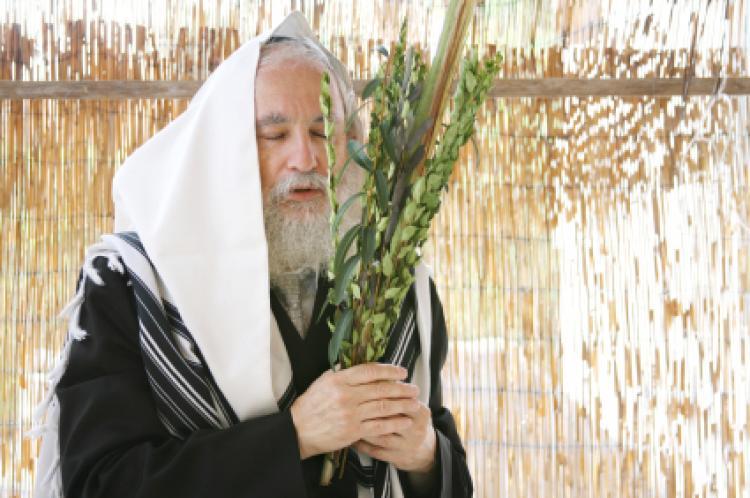
Another central commandment of Sukkot involves the Four Species, known in Hebrew as the Arba Minim. These include:
The Etrog (citron)
The Lulav (palm branch)
The Hadas (myrtle branches)
The Aravah (willow branches)
Each species represents different characteristics and types of people within the Jewish community. Bound together and waved in six directions—north, south, east, west, up, and down—the Four Species symbolize unity and the omnipresence of God.
During synagogue services, worshippers recite special blessings and participate in joyous processions, reinforcing communal bonds.
Sukkot 2026 Dates and Observances Worldwide
In 2026, Sukkot begins on the evening of September 27 and ends on October 4. The observance may vary slightly between Israel and the Diaspora, as communities outside Israel typically celebrate an additional festival day.
In Israel, the holiday atmosphere is vibrant and widespread. Public spaces, balconies, and courtyards are adorned with sukkot. Cities like Jerusalem become especially lively, with festive markets selling decorations and the Four Species.
Jewish communities across the United States, Europe, and other parts of the world also celebrate Sukkot with communal meals, synagogue gatherings, and educational programs. The global nature of the festival highlights the unity of Jewish people worldwide.
Spiritual Themes of Joy and Gratitude
Sukkot is often referred to as “Zman Simchateinu,” the Season of Our Joy. Unlike the solemn introspection of Yom Kippur, Sukkot focuses on celebration and thanksgiving.
Living temporarily in a sukkah encourages reflection on what truly matters. Material possessions become secondary to relationships, faith, and gratitude. The open structure reminds participants of nature’s beauty and life’s unpredictability.
The agricultural aspect reinforces appreciation for sustenance and blessings received throughout the year. It is a time to express thanks for harvest, prosperity, and spiritual growth.
Hoshana Rabbah and the Final Days
The seventh day of Sukkot is called Hoshana Rabbah, marked by special prayers and rituals symbolizing the final sealing of divine judgment that began during the High Holy Days.
Following Hoshana Rabbah comes Shemini Atzeret, a separate but connected festival. In the Diaspora, Simchat Torah is celebrated the day after Shemini Atzeret. On Simchat Torah, communities complete the annual reading of the Torah and immediately begin again from Genesis.
The celebrations include singing, dancing, and joyful processions with Torah scrolls, creating an atmosphere of spiritual enthusiasm and unity.
Sukkot in Israel: A Unique Experience
Celebrating Sukkot in Israel offers a deeply immersive experience. The entire country reflects the festive mood, from bustling markets to decorated apartment balconies.
In Tel Aviv, families gather in colorful sukkot on rooftops and in gardens. In Haifa, communities organize cultural events and open sukkah gatherings, welcoming guests from all backgrounds.
Jerusalem becomes a focal point of celebration, with thousands visiting the Western Wall for prayers and blessings. The unity and collective joy felt during Sukkot in Israel create a powerful cultural and spiritual atmosphere.
Global Sukkot Celebrations
Outside Israel, Jewish communities celebrate Sukkot in diverse ways. In North America, synagogues host communal dinners and educational programs for children. In Europe and Australia, Jewish organizations arrange cultural festivals and outreach events.
Public sukkah installations in city centers allow passersby to learn about the holiday. The tradition of inviting guests, known as Ushpizin, symbolizes hospitality and connection.
Sukkot 2026 will likely include creative community events blending tradition with modern engagement, reflecting the evolving yet enduring spirit of Jewish life.
Culinary Traditions of Sukkot
Food plays an important role during Sukkot. Meals are enjoyed inside the sukkah, often featuring stuffed dishes symbolizing abundance. Popular recipes include stuffed cabbage, stuffed peppers, and festive challah bread.
Seasonal fruits and vegetables highlight the harvest theme. In Israel, fresh pomegranates, figs, and dates are commonly enjoyed. The festive atmosphere encourages sharing meals with family and friends.
Dining in the sukkah transforms ordinary meals into meaningful spiritual experiences.
Family Activities and Educational Value
Sukkot 2026 presents valuable educational opportunities for children. Building and decorating a sukkah fosters creativity and teamwork. Learning about the Four Species introduces lessons about unity and diversity.
Many Jewish schools organize sukkah-building workshops and holiday programs. Storytelling, crafts, and music deepen children’s connection to heritage.
Families often make Sukkot a time for outdoor activities, blending spirituality with nature appreciation.
The Agricultural and Environmental Dimension
Sukkot’s harvest roots emphasize ecological awareness. Living temporarily outdoors reminds participants of environmental responsibility and dependence on natural resources.
The holiday encourages reflection on sustainability, gratitude for food, and care for the earth. In modern contexts, some communities incorporate eco-friendly materials into sukkah construction, highlighting contemporary environmental consciousness.
This dimension adds relevance to Sukkot in the modern world, connecting ancient tradition with current global concerns.
Travel During Sukkot 2026
Sukkot is a popular travel period, especially in Israel. Many families plan vacations during the intermediate days of the festival. National parks, historical sites, and cultural attractions see increased visitors.
Pilgrimages to Jerusalem echo ancient traditions. Visitors experience vibrant street markets selling lulavim and etrogim, as well as festive decorations.
Travelers seeking spiritual enrichment often choose to spend Sukkot in Israel to immerse themselves fully in the festival atmosphere.
Community Unity and Hospitality
Hospitality is a defining theme of Sukkot. The tradition of Ushpizin involves symbolically inviting biblical figures such as Abraham, Isaac, Jacob, Moses, Aaron, Joseph, and David into the sukkah.
In modern practice, families invite friends, neighbors, and community members to share meals. This openness fosters unity and inclusion.
Sukkot 2026 provides a meaningful opportunity to strengthen relationships and extend kindness.
Sukkot and Jewish Identity
Sukkot reinforces Jewish identity through shared ritual, storytelling, and communal celebration. The physical act of building a sukkah connects participants to generations past.
The festival bridges history and modern life, reminding Jewish communities worldwide of their shared narrative and values.
By observing Sukkot, individuals reaffirm their place within a global tradition that spans thousands of years.
Paamonim Hotel: A Comfortable Stay During Sukkot
For travelers visiting Israel during Sukkot 2026, Paamonim Hotel offers a convenient and welcoming accommodation option. Located in central Jerusalem, Paamonim Hotel provides easy access to major attractions, markets, and religious sites. During the Sukkot season, its location becomes especially valuable for visitors wishing to experience holiday celebrations near the Old City and the Western Wall. Comfortable rooms, warm hospitality, and proximity to cultural landmarks make Paamonim Hotel a practical choice for families and tourists seeking both convenience and a festive atmosphere.
Conclusion: The Enduring Joy of Sukkot 2026
Sukkot 2026 stands as a powerful celebration of faith, gratitude, and unity. Rooted in biblical history and enriched by agricultural symbolism, the festival invites participants to step outside their comfort zones and embrace simplicity.
From building sukkot to waving the Four Species, from festive meals to communal celebrations, Sukkot creates a holistic spiritual experience. In Israel and around the world, Jewish communities will gather in joy, reinforcing bonds of family and tradition.
As Sukkot 2026 approaches, it offers an opportunity to reflect on blessings, strengthen connections, and celebrate life with gratitude. The festival’s timeless message of trust, unity, and joy continues to inspire generation after generation.

 English
 Arabic
 French
 Spanish
 Portuguese
 Deutsch
 Turkish
 Dutch
Dutch
 Italiano
 Russian
 Portuguese (Brazil)
 Greek
Greek