


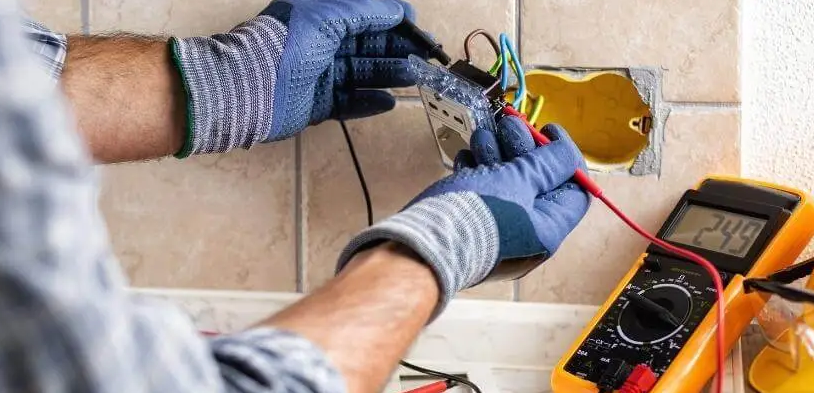
Electrical problems can be tricky. Whether it’s a flickering light, a circuit breaker that keeps tripping, or outlets that don’t work, diagnosing electrical issues requires more than just guessing. Many homeowners in Nyack, NY, make common mistakes that can turn minor problems into costly repairs—or worse, safety hazards. Understanding what not to do is just as important as knowing how to fix the problem.
In this article, we’ll explore the top five electrical troubleshooting mistakes you should avoid and provide tips for handling electrical issues safely and efficiently.
1. Ignoring Safety Precautions
It may sound obvious, but the number one mistake in electrical troubleshooting is neglecting safety. Many homeowners think that flipping a breaker or testing an outlet is harmless. However, even low-voltage systems can be dangerous if handled incorrectly.
Electrical shocks can occur when circuits are live, and improper handling may lead to fires or equipment damage. Always turn off the power at the circuit breaker before inspecting wiring, outlets, or switches. Using a non-contact voltage tester is an excellent first step to ensure a circuit is safe before touching it.
2. Failing to Identify the Root Cause
Electrical troubleshooting in Nyack, NY is not just about fixing the symptom—it’s about solving the underlying issue. A flickering light could be more than a loose bulb. It might indicate a wiring problem, a faulty fixture, or an overloaded circuit.
Jumping straight to replacing components without proper diagnosis is a common mistake. For instance, repeatedly replacing outlets that keep failing may seem like a quick fix, but if the real problem is a loose connection in the breaker panel or damaged wiring, the issue will keep coming back.
A systematic approach to troubleshooting can save time and money:
-
Check circuit breakers and fuses first.
-
Test outlets and switches using a voltage tester.
-
Inspect wiring for visible damage or wear.
-
Consider environmental factors, such as moisture or pests, that may affect wiring.
By identifying the root cause, you avoid unnecessary replacements and ensure your home’s electrical system functions reliably.
3. Using the Wrong Tools
Another mistake is attempting electrical troubleshooting without the right tools. Standard household tools like screwdrivers and pliers are helpful, but some electrical issues require specialized equipment.
Essential tools for electrical troubleshooting include:
-
Multimeter – Measures voltage, current, and resistance to identify faulty circuits.
-
Non-contact voltage tester – Ensures a circuit is de-energized before working.
-
Circuit tracer – Helps locate breaks in hidden wiring.
-
Insulated tools – Prevent accidental shocks.
Without proper tools, you may misdiagnose problems or even damage electrical components. In Nyack, NY, homeowners who attempt DIY electrical fixes without these tools often find themselves calling professionals anyway—after wasting time and money.
4. Overlooking Code Compliance
Electrical systems are governed by strict codes designed to protect safety and property. Ignoring local and national electrical codes is a frequent mistake, especially for DIY enthusiasts.
For example, installing a new outlet in a kitchen or bathroom without GFCI protection is not only dangerous but also a code violation. Improper grounding, using the wrong wire gauge, or overloading circuits are other common compliance mistakes that can lead to fines, insurance issues, or fire hazards.
5. Attempting Complex Repairs Without Experience
Electrical troubleshooting can range from simple fixes like resetting a breaker to complex repairs such as rewiring circuits or repairing panel connections. Attempting repairs beyond your skill level is one of the most dangerous mistakes.
Mistakes made during complex repairs can have serious consequences:
-
Electrical shocks that cause injury.
-
Short circuits that damage appliances.
-
Fire hazards from improperly connected wires.
Even experienced homeowners should know their limits. For complicated issues—like recurring breaker trips, burnt outlets, or faulty main panels—calling a licensed professional is the safest approach. In Nyack, NY, electricians are trained to handle everything from residential wiring issues to full electrical system inspections.
Common Warning Signs You Shouldn’t Ignore
Electrical problems often give subtle warnings before becoming serious. Being aware of these signs can prevent mistakes during troubleshooting:
-
Flickering or dimming lights – May indicate overloaded circuits or loose connections.
-
Buzzing outlets or switches – Could signal wiring issues or a failing fixture.
-
Frequent breaker trips – A sign of an overloaded or shorted circuit.
-
Burning smell or scorch marks – Immediate hazard requiring professional attention.
-
Non-functional outlets – Could indicate a deeper wiring problem.
Addressing these signs promptly can prevent costly mistakes and ensure home safety.
Best Practices for Electrical Troubleshooting
To avoid common mistakes and perform electrical troubleshooting effectively, follow these best practices:
-
Turn off power before starting any inspection. Safety first.
-
Use proper tools such as multimeters, circuit testers, and insulated equipment.
-
Document your findings. Keep notes on which circuits, outlets, or fixtures are affected.
-
Start simple. Check breakers, fuses, and visible wiring before assuming major issues.
-
Follow electrical codes. Ensure every repair or modification is up to local regulations.
-
Call a professional when needed. Knowing when to stop is part of responsible troubleshooting.
Implementing these practices reduces the risk of injury, prevents recurring problems, and protects your property.
Why Professional Help Matters
Even with careful troubleshooting, some electrical issues require professional expertise. Licensed electricians bring:
-
Experience in diagnosing complex electrical problems quickly.
-
Knowledge of local codes to ensure all work is compliant.
-
Access to specialized tools that homeowners typically do not have.
-
Guaranteed safety and reliability of repairs.
For homeowners in Nyack, NY, relying on a professional not only ensures the job is done correctly but also gives peace of mind. Lightsmith Electric, for instance, offers comprehensive electrical troubleshooting services, combining experience with expertise to handle even the trickiest issues safely.
Conclusion
Electrical troubleshooting is not something to take lightly. Mistakes can lead to property damage, personal injury, or recurring problems that cost more in the long run. By avoiding the top five mistakes—ignoring safety precautions, failing to identify the root cause, using the wrong tools, overlooking code compliance, and attempting complex repairs without experience—you protect yourself, your family, and your home.
Pay attention to warning signs, use the proper tools, follow code requirements, and know your limits. When necessary, rely on professional electricians who can troubleshoot effectively and safely. By approaching electrical problems methodically and responsibly, you can resolve issues efficiently and maintain a safe, reliable electrical system in your home or business in Nyack, NY.

 Arabic
 French
 Spanish
 Portuguese
 Deutsch
 Turkish
 Dutch
Dutch
 Italiano
 Russian
 Romaian
 Portuguese (Brazil)
 Greek
Greek