


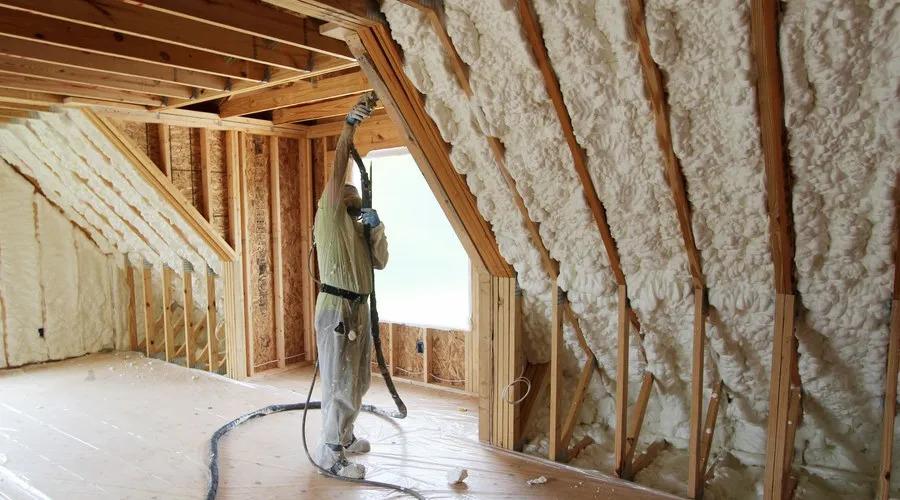
High indoor moisture is often the first sign of underlying insulation issues. When spray foam insulation or other insulation systems fail to properly regulate temperature and airflow, condensation can form in walls, ceilings, and floors. This moisture buildup can lead to mold growth, structural damage, and higher energy costs. Identifying these weak spots early allows building owners to address the root cause rather than just the symptoms.
Monitoring humidity and moisture patterns can pinpoint areas where insulation services or improvements are needed. Professionals can assess these zones and provide targeted solutions to restore comfort and efficiency.
Buildings with proper insulation maintain stable indoor humidity. When moisture consistently accumulates, it often reveals gaps, compressed insulation, or improperly sealed areas. Understanding these patterns is critical for long-term performance and energy efficiency.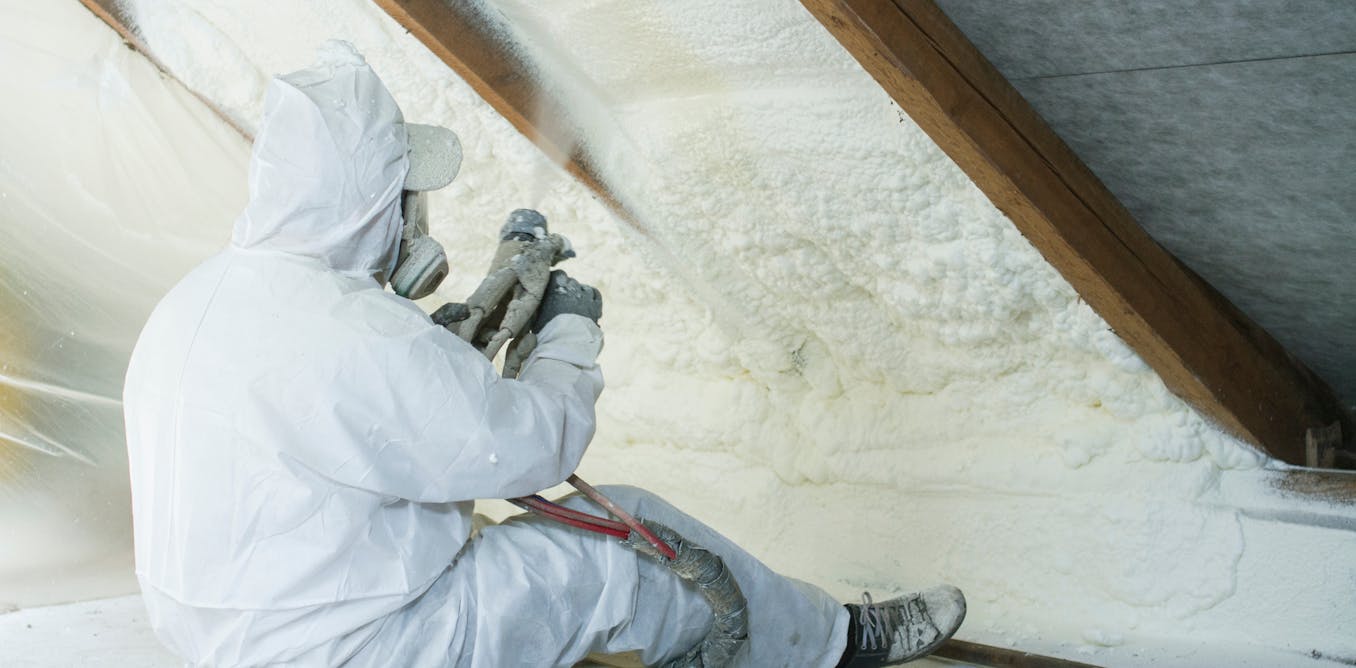
How Moisture Exposes Insulation Problems
Moisture interacts with air temperature, ventilation, and building materials. When insulation experts examine a space, they look for specific signs:
- Condensation on windows and walls during seasonal changes
- Musty odors indicating mold or mildew growth
- Visible water stains or peeling paint
- Uneven indoor temperatures across rooms
These indicators often correlate with areas where insulation services are inadequate or missing. Identifying these weak spots allows for targeted upgrades rather than costly full replacements.
Tiny Leaks and Gaps
Even small gaps in insulation can let warm, moist air escape into cooler spaces. This results in condensation that can go unnoticed until damage becomes visible. Sealing these leaks improves energy efficiency and indoor air quality.
Compressed or Settled Insulation
Over time, loose-fill or batt insulation can settle or compress, reducing effectiveness. Moisture accumulation in these areas is a common warning sign that performance has degraded.
Common Sources of Indoor Moisture
Understanding where moisture originates helps an insulation contractor target weak points effectively. Key sources include:
- High-humidity appliances such as dryers, dishwashers, or humidifiers
- Poor ventilation in bathrooms and kitchens
- Roof leaks or plumbing issues
- Ground moisture entering through basements or crawlspaces
Moisture mapping helps professionals determine which areas require additional insulation or vapor barriers.
Regional Considerations for Moisture Management
In regions like Seattle, the damp climate can exacerbate insulation issues. Buildings experience prolonged periods of rain, high humidity, and cooler temperatures. Insulation experts often recommend:
- Closed-cell spray foam in basements and attics to block moisture
- Proper sealing around windows and doors
- Ventilation upgrades to control indoor humidity
Tailoring insulation strategies to local climate conditions prevents long-term moisture problems and improves energy efficiency.
Signs Your Insulation Needs Attention
A simple checklist can help detect weak spots before major damage occurs:
| Indicator | Likely Cause | Recommended Action |
|---|---|---|
| Condensation on walls | Air leaks or insufficient insulation | Add insulation or seal gaps |
| Cold spots in rooms | Compressed or missing insulation | Inspect and refill insulation |
| Musty odor | Mold from trapped moisture | Remediate mold and improve insulation |
| Peeling paint | Persistent humidity | Install vapor barriers |
| High energy bills | Heat loss or gain | Evaluate insulation effectiveness |
Bonus Tips
- Use a moisture meter to detect hidden damp spots
- Inspect attics and crawlspaces annually, especially after storms
- Check insulation around recessed lighting and plumbing penetrations
Things to Consider Before Making a Decision
Before upgrading or repairing insulation, building owners should evaluate:
- The type of insulation currently installed and its condition
- Local climate and seasonal humidity patterns
- Energy efficiency goals and budget constraints
- Compatibility with ventilation systems and vapor barriers
Proper planning ensures the solution addresses both moisture and thermal performance.
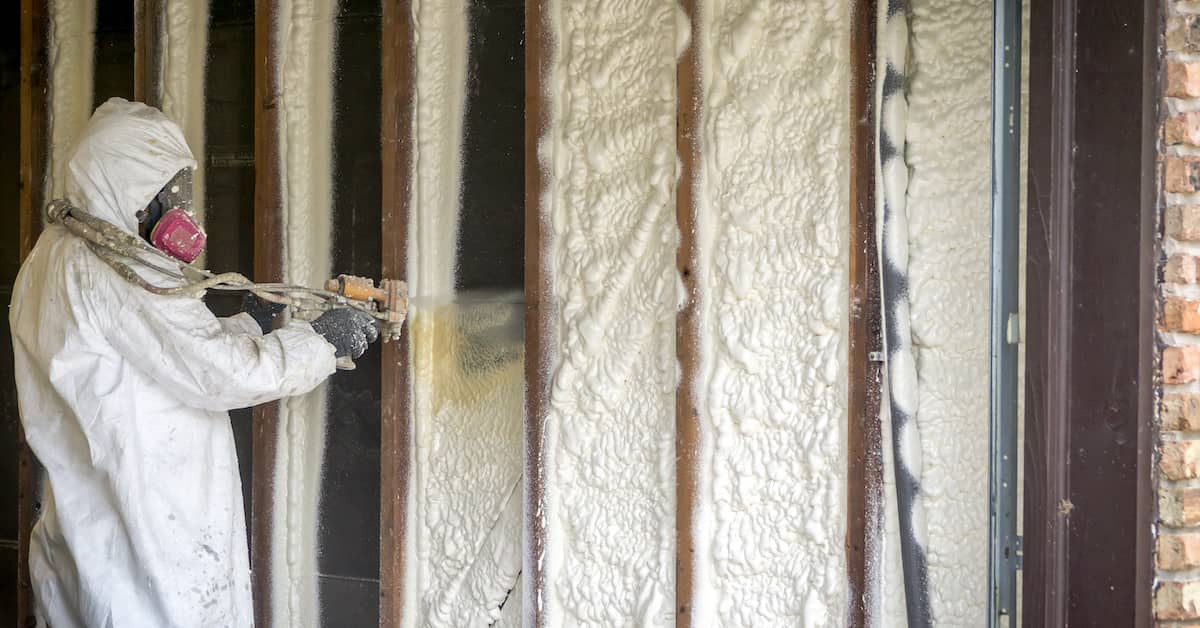
Evaluating Moisture Issues in Your Home
Monitoring indoor humidity is the first step in uncovering insulation weak spots. By observing patterns, using moisture detection tools, and consulting insulation experts, building owners can prevent damage and maintain comfort. Early intervention avoids costly repairs and improves energy efficiency long term.
Next Steps for Managing Insulation and Moisture
Building owners seeking reliable solutions can contact Cascadia Spray Foam Insulation of Seattle. Their team offers targeted insulation services designed to address moisture problems and boost energy efficiency. For more information, reach them at info@cascadiasprayfoam.com or (425) 386-3500 to schedule an assessment or consultation.
Questions People Ask About Insulation and Moisture
What is the ideal indoor humidity to prevent condensation?
Indoor humidity should remain between 30% and 50%. Levels above this range increase the risk of condensation on walls and ceilings.
How can I locate hidden insulation weak spots?
Moisture meters, infrared cameras, and professional inspections can reveal areas where insulation has failed or gaps exist.
Can spray foam insulation prevent indoor moisture?
Yes. Closed-cell spray foam acts as both an air barrier and a vapor barrier, limiting moisture intrusion and improving energy efficiency.
How often should insulation be inspected for moisture issues?
Annual inspections, particularly in attics and basements, help catch problems early before they escalate.
Will adding insulation reduce mold growth?
Proper insulation reduces cold surfaces and condensation points, lowering the chance for mold and mildew to develop.
Reviewer: Olivia Thompson has spent 10 years working in spray foam insulation, helping companies grow their visibility. She reviewed this article and provided valuable suggestions to better align the content with customers' needs and expectations, ensuring it resonates with the target audience.

 English
 Arabic
 French
 Spanish
 Portuguese
 Turkish
 Dutch
Dutch
 Italiano
 Russian
 Romaian
 Portuguese (Brazil)
 Greek
Greek