


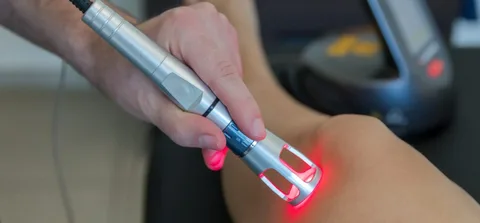
Modern medicine continues to evolve with innovative treatment approaches for pain management. Cold laser therapy represents one such advancement in non-invasive healing techniques. This therapeutic method has gained significant attention among healthcare professionals worldwide. Patients seeking alternatives to surgery often discover remarkable results with this approach.
Understanding Low-Level Laser Therapy
Low-level laser therapy uses specific wavelengths of light for therapeutic purposes. The treatment stimulates cellular function without generating heat or causing tissue damage. Medical practitioners apply focused light energy directly to affected body areas. This photobiomodulation process triggers natural healing responses within cells and tissues.
The therapy operates on principles of light absorption by cellular mitochondria. These cellular powerhouses convert light energy into chemical energy for healing. Unlike surgical lasers, this method works gently without cutting or burning. The painless procedure typically lasts between five and twenty minutes per session.
Accelerated Tissue Repair and Regeneration
One primary advantage involves enhanced tissue repair at the cellular level. The laser light penetrates deep into muscles, tendons, and ligaments effectively. Damaged cells receive the energy boost needed to accelerate their recovery. This process significantly reduces healing time compared to traditional rest-based approaches.
Collagen production increases substantially when tissues absorb the therapeutic light wavelengths. This protein serves as the building block for connective tissue repair. Enhanced collagen synthesis leads to stronger, more resilient tissue formation over time. Athletes and active individuals particularly benefit from this accelerated recovery mechanism.
Reduction of Inflammation and Swelling
Inflammation often causes persistent discomfort and limits mobility in injured areas. Cold laser treatment addresses this issue by reducing inflammatory markers within tissues. The therapy promotes better lymphatic drainage, which helps eliminate excess fluids. Decreased swelling allows for improved range of motion and reduced pressure.
Blood vessels dilate during treatment, improving circulation to the affected region. Better blood flow delivers essential nutrients and oxygen to damaged tissues. This enhanced circulation also helps remove metabolic waste products more efficiently. The combined effect creates an optimal environment for natural healing processes.
Effective Pain Relief Without Medication
Chronic pain affects millions of people and often requires ongoing medication management. This therapeutic approach offers a drug-free alternative for pain reduction. The laser stimulates the production of endorphins, the body's natural painkillers. Patients experience relief without the side effects associated with pharmaceutical options.
Nerve sensitivity decreases as the therapy modulates pain signals to the brain. This neurological response provides both immediate and cumulative pain relief benefits. Many individuals reduce or eliminate their dependence on pain medications entirely. The non-addictive nature makes it an attractive option for long-term management.
Treatment for Various Musculoskeletal Conditions
Arthritis patients find significant relief from joint pain and stiffness through sessions. The therapy helps maintain cartilage health and reduces degenerative progression in joints. Sports injuries, including sprains and strains, respond exceptionally well to treatment. Tendonitis and bursitis symptoms often improve dramatically after consistent therapy sessions.
Back pain sufferers experience notable improvements in comfort and functional mobility. Neck pain and shoulder issues also respond positively to targeted applications. The versatility of this approach makes it suitable for numerous conditions. Healthcare providers can customize treatment protocols based on specific patient needs.
Non-Invasive Approach With Minimal Side Effects
Unlike surgical interventions, this therapy requires no incisions or anesthesia whatsoever. Patients avoid the risks associated with invasive procedures and extended recovery periods. The treatment carries virtually no side effects when administered by trained professionals. Most individuals return to normal activities immediately following their therapy sessions.
No downtime means patients can maintain their regular schedules without interruption. This convenience factor makes it highly appealing for working professionals and athletes. The gentle nature ensures safety for elderly patients and those with conditions. Pregnant women can also receive treatment for certain conditions under supervision.
Improved Wound Healing and Scar Reduction
Post-surgical wounds and chronic ulcers heal more rapidly with laser therapy. The treatment stimulates fibroblast activity, which is essential for wound closure. Diabetic ulcers, which typically heal slowly, show remarkable improvement with sessions. Better oxygenation and nutrient delivery to wound sites accelerate the process.
Scar tissue formation becomes less pronounced when therapy begins during healing. The organized collagen deposition results in softer, less visible scarring patterns. Existing scars can also be treated to improve their appearance. This benefit appeals to individuals concerned about cosmetic outcomes after injuries.
Enhanced Nerve Function and Regeneration
Peripheral neuropathy symptoms often diminish significantly with consistent laser therapy sessions. The treatment supports nerve cell regeneration and improves signal transmission capabilities. Patients with nerve damage from injuries experience gradual function restoration over time. Numbness and tingling sensations frequently decrease as nerve health improves progressively.
Carpal tunnel syndrome and similar compression neuropathies respond well to treatment. The therapy reduces inflammation around compressed nerves, alleviating symptoms naturally and effectively. Improved nerve conduction velocities have been documented in clinical research studies. These neurological benefits extend recovery beyond simple pain relief alone.
Cost-Effective Long-Term Solution
While initial treatment series require investment, long-term savings prove substantial overall. Patients reduce expenses related to medications, surgeries, and ongoing medical appointments. The preventive aspect helps avoid costly interventions that might otherwise become necessary. Insurance coverage for laser therapy continues to expand as evidence grows.
Fewer missed workdays translate to maintained income and productivity for patients. The quality of life improvements justify the investment for most individuals. Many practitioners offer package deals that make treatment more financially accessible. The value proposition becomes clear when considering alternatives and their costs.
Complementary Integration With Other Therapies
Physical therapy programs incorporate laser treatment to enhance overall rehabilitation outcomes significantly. The combination accelerates progress and improves functional recovery in injured patients. Chiropractic care paired with laser sessions provides comprehensive pain management solutions. Massage therapy benefits are amplified when combined with photobiomodulation treatments.
Traditional medical treatments work synergistically with this modern therapeutic approach effectively. Patients receiving multiple modalities often experience superior results compared to monotherapy. Healthcare providers appreciate the compatibility with existing treatment protocols and plans. This integrative potential makes it valuable within comprehensive care strategies today.
Conclusion
Cold laser therapy offers remarkable benefits for individuals seeking natural healing solutions. The science-backed approach provides pain relief, accelerated recovery, and improved function. From athletes to chronic pain sufferers, diverse populations find value here. As research continues expanding, applications and acceptance will likely grow further. This non-invasive option represents a significant advancement in modern therapeutic medicine.

 Arabic
 French
 Spanish
 Portuguese
 Deutsch
 Turkish
 Dutch
Dutch
 Italiano
 Russian
 Romaian
 Portuguese (Brazil)
 Greek
Greek