


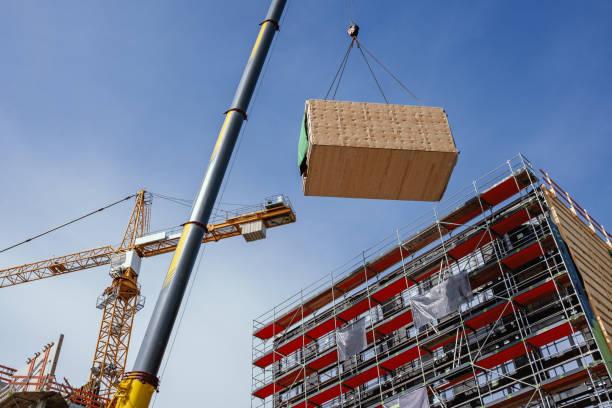
The construction world used to run on one rule. Build it fast and deal with the fallout later. Nobody really stopped to think about where all the waste went or how much power a building would chew through once people moved in. Somewhere along the line, that logic started to crack. Costs went up. The weather got weird. Clients got smarter. And suddenly, Sustainable Construction wasn’t just a buzzword tossed into proposals. It became part of how serious projects were planned. Not perfectly. Not smoothly. But it stuck.
Why the Old Way Stopped Working
For decades, the industry treated landfills like an invisible closet. Toss everything in and close the door. Energy use? Same thing. As long as the lights turned on, nobody cared how much fuel it took to keep them on. That worked when energy was cheap and regulations were light. It doesn’t work now. Operating costs are real. Cities are crowded. Climate problems aren’t abstract anymore; they show up as heat waves, flooding, and insurance nightmares. Construction didn’t change because it wanted to. It changed because it had to. Big difference.
Materials Aren’t Just Stronger, They’re Smarter
There’s a quiet revolution happening in material yards. Concrete mixes with lower carbon impact. Steel that’s recycled instead of freshly mined. Timber engineered to be as strong as steel but lighter and cleaner. Insulation made from recycled fabric or plant fibers. Some of it feels experimental. Some of it works better than the old stuff. None of it is magic. But together, it adds up. Less waste. Less energy to produce. Fewer trucks hauling junk to landfills. It’s not glamorous, but it’s practical. And construction respects practicality.
Design Now Thinks About Energy First, Not Last
A building used to be drawn for looks and space. Energy came later, like an accessory. Now it’s baked in. Which way does the building face? How much sun hits the windows? How air moves through rooms. These aren’t side notes anymore. They shape the whole design. Solar panels aren’t just slapped on the roof after everything else is done. They’re part of the original plan. Same with heat pumps and ventilation systems that don’t waste power. You solve problems before they exist, or you pay for them for 30 years. Simple math.
Technology Is Doing the Heavy Lifting
Software changed the game more than people admit. Builders can now simulate how a building will behave before it’s even built. Energy use. Carbon footprint. Material waste. It’s not guesswork anymore. It’s numbers. Sensors track how buildings perform once people move in and feed that data back into future projects. That feedback loop is new. It’s messy. But it works. And when results show lower bills and fewer breakdowns, arguments get quieter.
Money Is Finally on the Same Side
For a long time, sustainability was treated like a luxury add-on. Something you would do if you had extra budget. That story is fading. Energy-efficient buildings cost less to run. They age better. They attract tenants who actually want to stay. Banks and insurers are starting to notice. Financing is shifting toward projects that don’t look risky in ten years. That changes behavior fast. Nothing motivates the industry like numbers on a spreadsheet. Morals are nice. Savings are better.
Sustainable Builders Are Changing the Culture of Job Sites
This is where the shift feels real. Sustainable Builders aren’t just using different materials. They’re working differently. Planning deliveries so waste is lower. Training crews to install systems that didn’t exist a decade ago. Thinking about how long a building will last instead of how fast it can go up. The definition of “good work” is changing. It’s not just straight walls and clean finishes anymore. Its performance. It’s efficiency. It’s a responsibility. Some contractors resist this. Some lean into it. The ones who lean in usually end up ahead.
There Are Still Gaps and Growing Pains
Let’s not pretend this is all smooth. Supply chains break. Green materials aren’t always easy to get. Some projects wear the sustainability label without really earning it. Training workers takes time and money. And not every client cares yet. The industry is halfway between old habits and new ones. That’s awkward territory. Mistakes happen. Costs fluctuate. But the direction is clear. You don’t invest this much effort into something temporary.
Conclusion: This Shift Isn’t Optional Anymore
Sustainable construction isn’t a side movement. It’s reshaping how the entire building industry thinks. From materials to design to financing to daily work on site, sustainable builders are changing what responsible construction looks like. The old model of build now, worry later is losing ground. What’s replacing it isn’t perfect, but it’s smarter. Buildings that waste less. Use less energy. Last longer. This didn’t come from idealism. It came from pressure, economics, and reality knocking on the door. Years from now, building without thinking about sustainability will feel outdated. Like using blueprints without computers. The change is already here. It just hasn’t finished unfolding yet.

 English
 Arabic
 French
 Spanish
 Portuguese
 Deutsch
 Turkish
 Italiano
 Russian
 Romaian
 Portuguese (Brazil)
 Greek
Greek