


Land clearing isn’t complicated. It’s just hard work. Trees don’t care about your schedule. Brush doesn’t politely move out of the way. And when you’re staring at five acres of overgrowth with a crew waiting on you, the attachment you pick matters more than most guys admit.
There’s a lot of talk around skid steer land clearing attachments, but most of it skips the real question what are you actually trying to get done? A brush cutter and a grapple both clear land. Sure. But they do it in completely different ways. One shreds. One grabs. Simple difference, big impact on productivity.
Let’s break it down without the marketing fluff.
What a Brush Cutter Actually Does
A brush cutter is about speed and control. You’re spinning heavy-duty blades at serious RPMs and chewing through thick grass, saplings, and stubborn brush like it’s nothing. It’s aggressive. Loud. Efficient.
If you’re maintaining fence lines, reclaiming pasture, clearing right-of-ways, or knocking down overgrowth before development this is your tool. You don’t want to drag stuff around. You want it gone. Flattened. Mulched.
Contractors love them because they reduce labor. One machine, one operator, and suddenly five guys with chainsaws aren’t needed. Landscapers lean on them for large properties where time kills profit. Farm operators use them to keep fields under control before things turn into a jungle.
But here’s the catch. A brush cutter doesn’t remove debris. It leaves it where it falls. That’s fine for pasture or rough clearing. Not fine if you’re prepping for construction.
That’s where the grapple conversation starts.
What a Grapple Brings to the Jobsite
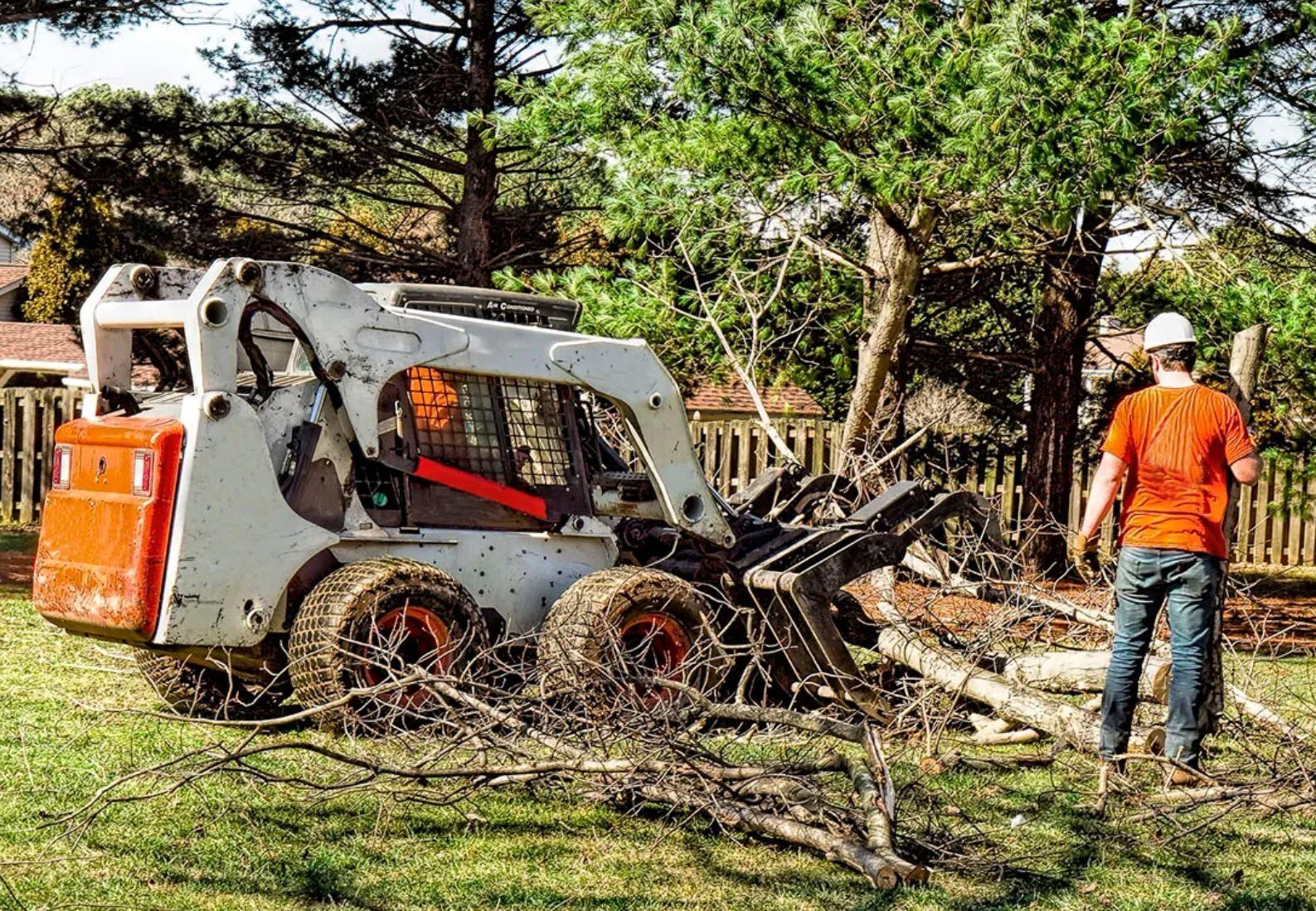
A grapple doesn’t cut. It handles.
Think logs, roots, big branches, stumps, demolition piles. You’re grabbing material, lifting it, stacking it, hauling it off. It’s about control and cleanup.
If you’re clearing land for building pads or commercial development, a grapple becomes almost mandatory. After the brush cutter does its job (if you use one), you still need to move what’s left. That’s grapple territory.
There are root grapples, rock grapples, heavy-duty grapples. Doesn’t really matter what version you choose the idea is the same. Grab. Lift. Move.
And if you’re running attachments from a solid brand like Spartan Equipment, you’ll notice the steel difference. Less flex. More strength. It shows when you’re clamping down on a stubborn root ball that doesn’t want to let go.
Speed vs Control: What Matters More?
This is where guys get stuck. They think it’s either-or.
It’s not.
If your goal is knocking down heavy vegetation fast, brush cutter wins. No debate. You’ll cover more ground in a day compared to manually piling and dragging material.
But if your goal is finished-grade readiness, or you’re dealing with larger debris, a grapple is more practical. It’s not flashy. It just works.
A lot of seasoned contractors actually run both depending on the stage of the project. First pass? Brush cutter. Cleanup and stacking? Grapple.
It’s about workflow. Not brand loyalty. Not hype.
Machine Size and Compatibility Matter
Before you pull the trigger on anything, think about your machine. A compact skid steer handles differently than a high-flow unit. Hydraulic output changes performance big time.
Some guys try to push a smaller machine too hard with a heavy brush cutter and wonder why it feels underpowered. Same thing happens when running oversized grapples.
And here’s where it gets interesting. If you’re also operating smaller equipment — say you’re swapping between a skid steer and something like a mini excavator bucket setup for tight access jobs your attachment strategy changes. Smaller footprints need more precision. In those cases, debris handling might matter more than raw cutting power.
Land clearing isn’t always wide-open acreage. Sometimes it’s backyard lots or tight commercial spaces.
Cost vs Return on Investment
Let’s talk money for a minute.
Brush cutters usually cost more upfront than grapples. More moving parts. More engineering. But they save serious labor costs. Over a season, that pays for itself fast if you’re using it regularly.
Grapples are simpler. Less maintenance. Lower entry cost. But they won’t generate revenue unless you’re actively moving material. If your business model includes site prep, demolition cleanup, storm response grapples earn their keep.
If you only occasionally clear brush, maybe renting a cutter makes more sense. No shame in that. Smart operators protect cash flow.
Maintenance Reality Check
Brush cutters need maintenance. Blades dull. Hydraulic motors need attention. You don’t ignore it or performance drops quick.
Grapples? Grease the pivot points. Inspect welds. That’s mostly it.
This doesn’t mean avoid cutters. It just means be realistic about upkeep.
Commercial professionals already understand this. Downtime costs more than parts.
When You Might Actually Need Both
Here’s the honest answer most people won’t say: a lot of serious land clearing operations end up owning both.
Initial clearing with a brush cutter. Secondary cleanup with a grapple. Follow-up grading with a bucket or even switching over to a mini excavator bucket for trenching or precision dirt work.
Different stages. Different tools.
Trying to force one attachment to do everything usually slows you down. And in this business, slow equals expensive.
Choosing the Right Attachment for Your Operation
Ask yourself a few blunt questions:
Are you mostly cutting vegetation or removing heavy debris?
Are you prepping land for resale, farming, or construction?
Do you need clean finish results or rough clearing good enough?
How often will you use it?
That’s it. No complicated formulas.
Contractors focused on high-volume acreage work lean toward brush cutters. Landscapers doing selective clearing and debris management often prioritize grapples. Farm operators sometimes start with grapples because storm cleanup and tree removal is common.
And if you’re mixing in excavation services, especially tighter access jobs where a mini excavator bucket becomes part of your workflow, your attachment strategy should reflect that flexibility.
One machine rarely does it all perfectly.
Final Thoughts
Brush cutter or grapple? There’s no universal winner.
If speed and vegetation reduction is your priority, brush cutter. If control, lifting, and cleanup matter more, grapple. And if you’re serious about scaling land clearing services, you’ll probably own both eventually.
The key is matching the attachment to the job, not the other way around.
Skid steer land clearing attachments aren’t just accessories. They’re productivity tools. Revenue drivers. Sometimes the difference between finishing a job early or bleeding hours you can’t bill.
Companies like Spartan Equipment build both options for a reason. Because the real world isn’t one-size-fits-all.
At the end of the day, it comes down to how you work, what you clear, and how fast you need it done. Choose based on that. Not hype. Not trends.
Just results.

 English
 Arabic
 French
 Spanish
 Portuguese
 Deutsch
 Turkish
 Dutch
Dutch
 Russian
 Romaian
 Portuguese (Brazil)
 Greek
Greek