


Let’s just say it straight. Not every fence, deck, or outdoor project needs fancy materials. Sometimes good old Pressure Treated Wood gets the job done. And it gets it done without draining your wallet.
But here’s the thing. It’s not always the perfect solution either.
People ask all the time — “Should I go with treated lumber or something like fiberon fencing?” The answer isn’t dramatic. It depends. On budget. On weather. On how much maintenance you’re willing to deal with. On whether you care about natural wood grain or you just want something that stays put and doesn’t complain.
Let’s break it down like real humans.
What Pressure Treated Wood Actually Is (In Plain Terms)
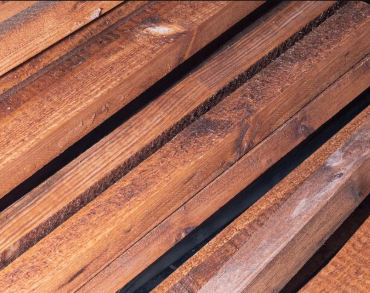
Pressure Treated Wood is basically lumber that’s been infused with preservatives under high pressure. Sounds intense. It kind of is.
The chemicals are forced deep into the wood fibers so bugs, rot, and moisture don’t eat it alive. Especially important in humid places. Or anywhere that rains more than it should.
If you’ve ever built a deck frame, fence posts, garden beds, or outdoor steps — chances are you’ve worked with treated lumber. It’s common because it works.
Not glamorous. But solid.
It resists termites.
It handles moisture better than untreated boards.
It costs less than most composite options.
That’s why contractors still use it. A lot.
Why Builders Keep Choosing Treated Lumber
There’s a reason it hasn’t disappeared.
1. It’s Affordable
Let’s not pretend price doesn’t matter. It does. Pressure treated boards are usually cheaper upfront than composite fencing or PVC alternatives.
If you’re fencing a large property, that cost difference adds up fast.
2. It’s Strong
When properly installed, treated wood is sturdy. It can handle structural loads, which is why it’s commonly used for deck framing, support posts, and outdoor structures.
It holds weight. It doesn’t flex like lighter materials sometimes do.
3. It’s Easy to Work With
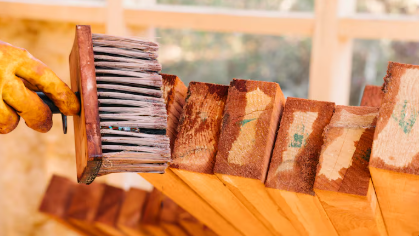
You can cut it. Nail it. Screw it. Stain it later if you want.
No special tools needed. No complicated installation system.
That matters for DIY folks.
The Downsides No One Likes to Mention
Let’s be honest here.
Pressure Treated Wood is not maintenance-free. Not even close.
It can warp. It can crack. It can split over time. Especially if it wasn’t dried properly before installation. You’ll need to seal it. Probably stain it. Definitely check on it every year or two.
And yes, it can fade. That fresh greenish tint won’t last.
If you ignore it for too long, it starts looking tired.
Some homeowners are fine with that. Others aren’t.
Where Fiberon Fencing Comes In
Now let’s talk about fiberon fencing.
Composite fencing like this is made from a mix of recycled wood fibers and plastic. So it looks like wood but behaves differently.
It doesn’t rot.
It doesn’t attract termites.
It doesn’t need staining.
That’s the main appeal.
If you don’t want to think about your fence for the next 15–20 years, composite is attractive. You install it. You rinse it occasionally. Done.
But here’s the catch — it costs more upfront. No way around that.
Some people see it as an investment. Others see it as overkill.
Depends on your situation.
Pressure Treated Wood vs Fiberon Fencing: A Real Comparison
Let’s keep it simple.
Upfront Cost
Pressure treated lumber wins. Lower initial expense.
Maintenance
Fiberon fencing wins. Way less upkeep over time.
Natural Look
Real wood has authentic grain. Hard to fake that completely.
Longevity
Composite fencing generally lasts longer without structural decay.
Repairs
Wood can be patched and replaced easily.
Composite panels may require specific parts.
So it’s not about one being better. It’s about priorities.
If you’re building a ranch fence, garden border, or utility fence — Pressure Treated Wood makes sense. If you’re installing a high-visibility backyard privacy fence and you hate maintenance, fiberon fencing might be smarter long-term.
Climate Makes a Difference
Humidity changes everything.
In coastal areas or places with heavy rainfall, untreated wood won’t survive long. Pressure treated boards are built for that kind of environment, but they still need sealing and care.
Composite fencing performs really well in damp climates. It doesn’t absorb moisture the same way wood does.
Hot climates? Treated lumber can dry and crack. Composite can expand slightly in extreme heat but usually stays stable.
So location matters. A lot.
Environmental Concerns (People Ask About This Too)
Modern Pressure Treated Wood uses preservatives that are safer than older formulas, but it still contains chemical treatments.
That’s just reality.
Fiberon fencing products are often made with recycled materials. That’s a plus for some homeowners trying to reduce environmental impact.
If sustainability is high on your list, you might lean toward composite. But treated lumber still has its place — especially when sourced responsibly.
Maintenance Reality Check
Here’s what owning Pressure Treated Wood usually looks like:
Year 1: Looks good.
Year 2: Might need sealing.
Year 3+: Definitely needs attention.
It’s not difficult maintenance. Just consistent.
Composite fencing?
Wash it when it gets dirty. That’s about it.
But again. You pay for that convenience upfront.
So What Should You Actually Choose?
Here’s the blunt answer.
If budget is tight and you’re okay with some upkeep — go with Pressure Treated Wood.
If you want minimal maintenance and plan to stay in your home long term — fiberon fencing might be worth the higher cost.
There’s no universal “best.” Only what fits your project and your tolerance for maintenance.
Sometimes wood just feels right. Sometimes convenience wins.
That’s construction.
Where Quality Makes the Real Difference
No matter which direction you go, quality matters more than the label.
Cheap treated lumber won’t perform like properly treated structural-grade boards. Poorly manufactured composite panels won’t hold up like premium options.
Sourcing from a trusted supplier changes the outcome of your project more than most people realize.
If you're comparing materials, asking about availability, or pricing out your next build, take a look at what’s available at:
They carry dependable Pressure Treated Wood and composite options, including fiberon fencing, so you can actually compare and make the right call instead of guessing.
Don’t just grab whatever’s stacked at the nearest big box store. Talk to people who deal with lumber every day. It makes a difference.
Final Thoughts (No Sales Pitch, Just Real Talk)
Pressure Treated Wood isn’t outdated. It’s practical. It’s affordable. It works.
Fiberon fencing isn’t overhyped either. It solves problems wood sometimes can’t.
The real mistake? Picking materials without thinking about climate, maintenance, and long-term plans.
Take a minute. Be honest about what you want. Then choose accordingly.
And if you’re not sure, ask questions. Compare materials side by side. See them in person.
Sometimes the smartest move isn’t chasing trends. It’s choosing what actually fits your build.
FAQs
1. How long does Pressure Treated Wood last outdoors?
With proper maintenance, it can last 15–20 years or more. Without sealing and care, lifespan drops significantly, especially in humid or wet climates.
2. Is fiberon fencing stronger than wood?
It’s resistant to rot and insects, but structural strength depends on the specific product and installation. For heavy structural loads, treated lumber is often preferred.
3. Does Pressure Treated Wood need to be sealed?
Yes. While it’s treated against rot and pests, sealing helps prevent moisture damage, cracking, and fading over time.
4. Which option adds more resale value?
Both can add value if installed properly. Composite fencing may appeal more to buyers who want low maintenance, while real wood can attract those who prefer a natural look.

 English
 Arabic
 French
 Spanish
 Portuguese
 Deutsch
 Turkish
 Dutch
Dutch
 Italiano
 Russian
 Portuguese (Brazil)
 Greek
Greek