


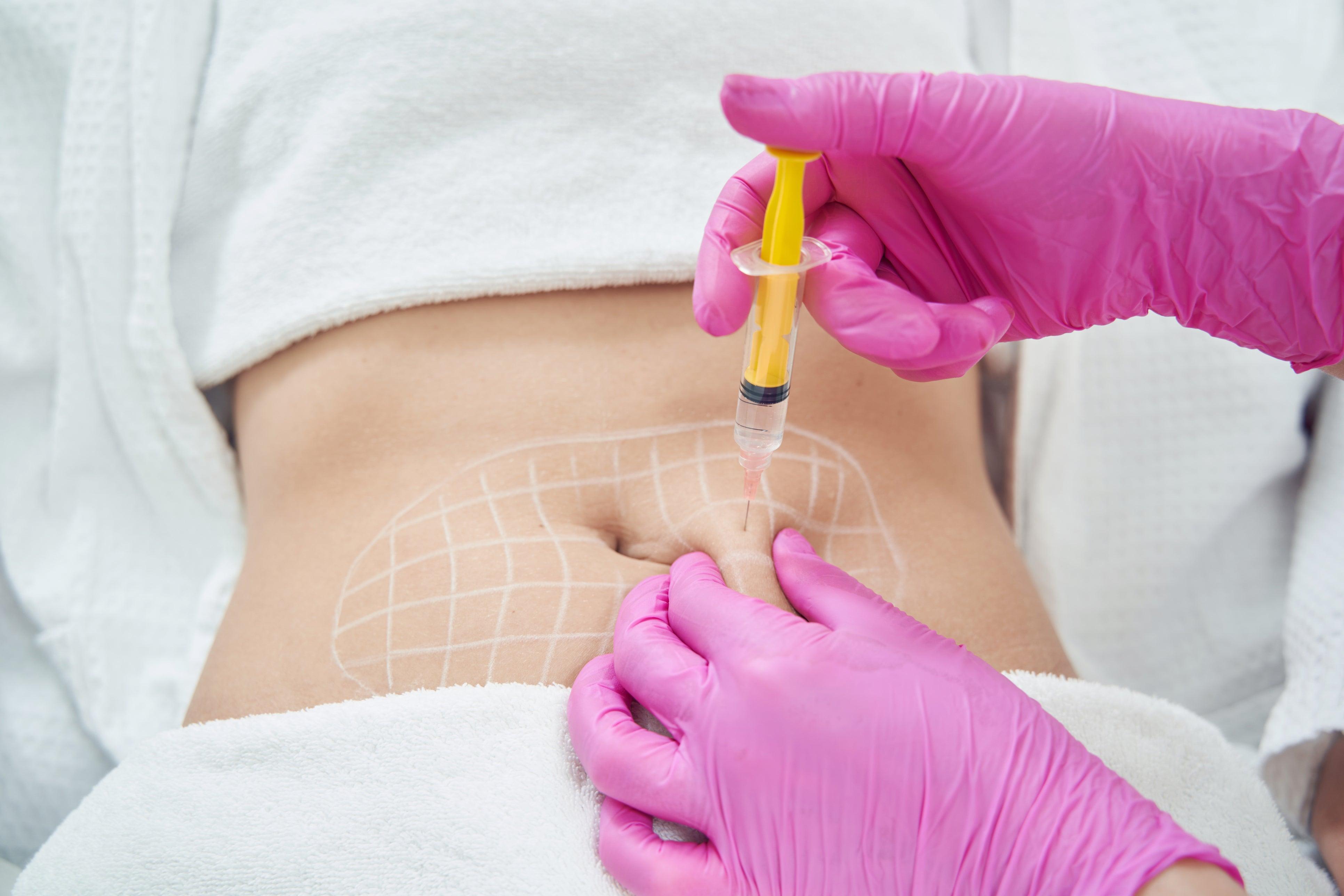
When it comes to reducing stubborn fat, two popular options in cosmetic medicine are fat-dissolving needle treatments and liposuction. Both methods aim to remove or reduce fat, but they differ significantly in terms of procedure, results, recovery, and suitability for patients. Understanding these differences helps individuals make informed decisions about which approach aligns best with their goals, lifestyle, and expectations. Fat dissolving needle in Riyadh offers a non-surgical solution for reducing stubborn fat and reshaping facial and body contours.
1. Nature of the Procedure
Fat-Dissolving Needles:
Fat-dissolving injections are a non-surgical procedure that targets small, localized fat deposits. The treatment involves multiple small injections of a compound, often containing deoxycholic acid, into the fat tissue. This substance breaks down fat cells, which the body gradually removes through its natural metabolic processes. The procedure is relatively quick, usually taking 15–30 minutes per session, and is minimally invasive with no incisions or anesthesia required beyond topical numbing.
Liposuction:
Liposuction is a surgical procedure designed to remove larger volumes of fat. It involves making small incisions through which a cannula (a thin tube) is inserted to physically suction out fat from targeted areas. Liposuction is more invasive than injections, often performed under local, regional, or general anesthesia, depending on the extent of treatment. It is suitable for larger fat deposits and body contouring on a more substantial scale.
2. Areas Treated
Fat-Dissolving Needles:
These injections are ideal for small, stubborn pockets of fat that resist diet and exercise. Common treatment areas include:
-
Double chin (submental fat)
-
Jawline and jowls
-
Upper arms
-
Inner thighs
-
Small abdominal bulges
-
Under the buttocks (banana roll)
-
Flanks or love handles
They are not suitable for extensive fat removal or body-wide contouring.
Liposuction:
Liposuction can treat larger areas of fat across multiple parts of the body, such as:
-
Abdomen and waist
-
Thighs and hips
-
Buttocks
-
Arms
-
Back and flanks
-
Chest (in cases of male gynecomastia)
Liposuction can remove more fat in a single session and is more effective for significant body contouring needs.
3. Results and Timeline
Fat-Dissolving Needles:
Results from fat-dissolving injections appear gradually, often taking 4–6 weeks for the body to metabolize the destroyed fat cells. Most patients require 2–4 sessions spaced several weeks apart. The outcomes are subtle and natural-looking, ideal for patients seeking mild contouring rather than dramatic changes.
Liposuction:
Liposuction provides immediate results in terms of fat removal, although final contouring becomes apparent after several weeks to months due to swelling and tissue healing. It is the preferred option for patients seeking more dramatic changes or significant fat reduction in one session.
4. Recovery and Downtime
Fat-Dissolving Needles:
Recovery is minimal. Patients may experience temporary swelling, bruising, tenderness, or numbness at the injection sites. Most people can return to work and normal activities the same day or within a few days. No significant downtime is required, making it convenient for busy lifestyles.
Liposuction:
Recovery is more substantial due to the invasive nature of surgery. Patients may experience bruising, swelling, soreness, and temporary numbness. Compression garments are often recommended for several weeks to optimize healing and contour. Return to normal activities can take 1–2 weeks, with full recovery taking several months depending on the treated area and extent of surgery.
5. Risks and Safety Considerations
Fat-Dissolving Needles:
Side effects are usually mild and temporary. Common risks include:
-
Swelling and bruising
-
Redness and tenderness
-
Temporary numbness
Severe complications are rare but can occur if injections are improperly administered, including infection or damage to surrounding tissues.
Liposuction:
Liposuction carries more significant risks due to its surgical nature, including:
-
Infection
-
Blood clots
-
Irregular contours or asymmetry
-
Scarring
-
Anesthesia-related complications
Choosing a skilled, experienced surgeon reduces these risks significantly.
6. Suitability and Patient Selection
Fat-Dissolving Needles:
Best suited for patients who are close to their ideal weight and want to remove small, localized fat deposits. It is not a weight-loss solution or suitable for extensive body reshaping.
Liposuction:
Ideal for patients who have larger fat deposits and desire dramatic body contouring. It can accommodate a wider range of body types but requires good overall health and realistic expectations regarding recovery and results.
7. Cost Considerations
Fat-dissolving injections are generally less expensive per session but may require multiple treatments to achieve optimal results. Liposuction is a higher upfront investment due to anesthesia, surgical facilities, and recovery care, but results are often achieved in a single session.
Conclusion
The choice between fat-dissolving needles and liposuction depends on treatment goals, area of concern, desired results, and tolerance for downtime. Fat-dissolving injections are minimally invasive, ideal for subtle, localized fat reduction, and have minimal recovery time. Liposuction is surgical, suitable for larger areas, offers immediate results, and requires a longer recovery period. Consulting with a qualified cosmetic professional is essential to determine which approach best matches an individual’s needs and expectations.

 English
 Arabic
 French
 Spanish
 Deutsch
 Turkish
 Dutch
Dutch
 Italiano
 Russian
 Romaian
 Portuguese (Brazil)
 Greek
Greek