


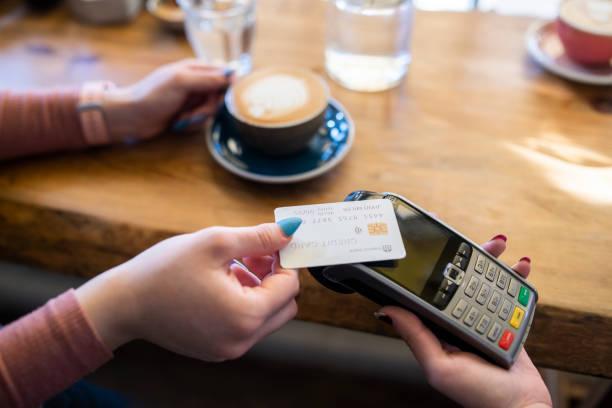
Picture this: You're at a bustling trade show, juggling a coffee in one hand and a stack of business cards in the other. Someone approaches you, pulls out what looks like a sleek business card, taps it against your phone, and instantly their entire portfolio, contact information, and social media profiles appear on your screen. No app download required. No typing. Just tap and connect.
Welcome to the world of Near Field Communication (NFC) cards—the technology that's quietly revolutionizing how businesses approach corporate branding. But here's the million-dollar question: Are these high-tech cards actually worth the investment, or are they just another flashy gadget destined to collect dust in your drawer?
In today's hyper-connected world, first impressions happen in seconds, and traditional branding methods are struggling to keep pace. As companies scramble to stand out in crowded markets, NFC cards have emerged as a promising solution that bridges the physical and digital worlds. Let's dive deep into whether these smart cards truly deliver on their promise of transforming corporate branding.
What Exactly Are NFC Cards and How Do They Work?
Near Field Communication cards are essentially digital business cards embedded with a tiny chip that communicates wirelessly with smartphones and other NFC-enabled devices. When someone taps or brings their phone within a few centimeters of the card, the chip activates and transfers pre-programmed information instantly. Think of it as Bluetooth's more efficient, security-conscious cousin that doesn't require pairing or complicated setup processes.
The technology behind NFC operates on radio frequency identification (RFID) principles, using electromagnetic fields to enable communication between devices. Most modern smartphones—including iPhones since the iPhone 6 and the majority of Android devices—come equipped with built-in NFC readers, making these cards compatible with billions of devices worldwide. This widespread compatibility is precisely what makes NFC cards such a powerful branding tool for forward-thinking companies.
The Corporate Branding Landscape Has Changed Dramatically
Traditional corporate branding relied heavily on tangible items: glossy brochures, embossed business cards, promotional merchandise, and billboard advertisements. While these methods still have their place, consumer behavior has fundamentally shifted toward digital-first interactions. Studies show that the average person spends over seven hours daily on internet-connected devices, making digital touchpoints increasingly critical for brand engagement.
Modern professionals are drowning in paper business cards that often end up forgotten or discarded. Research indicates that approximately 88% of traditional business cards get thrown away within a week of networking events. This represents not just wasted resources but countless missed opportunities for meaningful business connections. Companies investing thousands in trade show appearances and networking events are essentially watching their branding efforts literally end up in the trash.
Furthermore, sustainability has become a non-negotiable factor in corporate branding strategies. Consumers, particularly millennials and Gen Z, actively favor businesses that demonstrate environmental responsibility. The paper industry contributes significantly to deforestation and carbon emissions, making the endless printing of traditional marketing materials increasingly problematic from both environmental and brand perception standpoints.
How NFC Cards Enhance Brand Perception and Memorability
First impressions matter enormously in business, and NFC cards send a powerful message: your company is innovative, tech-savvy, and forward-thinking. When you hand someone an NFC-enabled card instead of a traditional paper version, you're immediately differentiating yourself from 99% of other professionals they'll meet. This novelty factor creates a memorable interaction that strengthens brand recall significantly.
The tactile experience of tapping a card and watching information magically appear creates what marketers call a "wow moment"—a positive emotional response that becomes associated with your brand. These emotional connections are invaluable because human decision-making is fundamentally driven by feelings rather than pure logic. When someone remembers the impressive technology you used, they're more likely to remember your company and what you offer.
NFC cards also communicate that your organization values efficiency and respects people's time. Instead of forcing potential clients or partners to manually input contact details or visit websites, you're providing instant, friction-free access to everything they need. This user-centric approach reflects positively on your brand values and demonstrates customer service excellence before any formal business relationship even begins.
Customization Options That Reinforce Brand Identity
One of NFC technology's greatest strengths for corporate branding lies in its virtually unlimited customization possibilities. Unlike static printed materials, the digital content linked to NFC cards can be updated instantly without reprinting anything. Your digital business card can showcase your company logo, brand colors, mission statement, recent case studies, video introductions, product catalogs, customer testimonials, and social media feeds—all accessible through a single tap.
Advanced NFC solutions allow companies to create dynamic profiles that change based on context. For example, sales teams might program their cards to display different portfolios depending on which industry event they're attending. Marketing professionals could link to different landing pages optimized for various audience segments. This level of personalization was simply impossible with traditional printed materials.
The physical cards themselves can be customized with premium materials like metal, wood, or recycled plastics that align with brand aesthetics. Companies can incorporate their logo, use specific Pantone colors, add embossing or spot UV printing, and create designs that feel substantial and valuable. This combination of impressive physical presentation and cutting-edge digital functionality creates a comprehensive branding experience that operates on multiple sensory levels.
Measuring ROI: Analytics and Data-Driven Insights
Traditional networking materials offer zero measurable data. You hand out business cards and hope for the best, with no way to track whether recipients visited your website, engaged with your content, or took any subsequent action. NFC cards completely transform this equation by providing detailed analytics that help quantify branding effectiveness.
Most NFC card platforms include dashboard analytics showing exactly when cards were tapped, geographic locations of interactions, which content recipients accessed, how long they engaged with different elements, and which links they clicked. This data reveals genuine interest levels and helps identify warm leads versus casual contacts. Marketing teams can use these insights to refine messaging, optimize follow-up timing, and better understand which branding elements resonate most strongly.
This analytical capability allows for sophisticated A/B testing of branding approaches. Companies can experiment with different digital profiles, messaging strategies, or visual presentations and measure which versions generate higher engagement rates. This data-driven approach to branding optimization was previously available only through expensive digital advertising campaigns, but NFC technology brings these capabilities to in-person networking and events.
Cost-Effectiveness Compared to Traditional Branding Methods
At first glance, NFC business cards appear more expensive than traditional business cards, typically ranging from $2 to $20 per card depending on customization and quantity. However, a comprehensive cost analysis reveals surprising long-term value. Consider that these cards never need reprinting when contact information changes—you simply update the linked digital profile. For companies with high employee turnover or frequent rebranding, this eliminates ongoing printing costs entirely.
When comparing NFC cards to comprehensive branding campaigns involving printed brochures, promotional materials, and repeated business card orders, the economics become even more favorable. A single NFC card can replace dozens of different printed pieces by linking to unlimited digital content. The environmental savings also translate to cost reductions in paper, printing, shipping, and storage of marketing materials.
Additionally, the improved lead quality and conversion rates from NFC-enabled networking often justify the higher per-unit cost. If an NFC card generates even one additional high-value client compared to traditional methods, it pays for itself many times over. Smart branding investments should be evaluated not just on upfront costs but on the return they generate in terms of business relationships and revenue opportunities.
Integration with Broader Digital Marketing Strategies
NFC cards truly shine when integrated into comprehensive digital marketing ecosystems. The cards can link directly to customer relationship management (CRM) systems, automatically capturing contact information and interaction data. This seamless integration ensures that every networking interaction feeds into your sales funnel without requiring manual data entry or risking lost information.
Companies using marketing automation platforms can program NFC cards to trigger specific workflows. For instance, when someone taps your card, they might automatically receive a welcome email sequence, get added to targeted social media audiences, or be enrolled in relevant nurture campaigns. This level of automation transforms a simple networking interaction into the beginning of a sophisticated, multi-touch marketing journey.
Social media integration represents another powerful branding opportunity. NFC cards can instantly connect people to all your social platforms, making it effortless for new contacts to follow, like, or subscribe. Given that social media algorithms favor accounts with higher engagement rates, this friction-free connection process can significantly boost your brand's organic reach and visibility across digital channels.
Real-World Success Stories Across Different Industries
Tech startups have been early adopters of NFC card technology, using them to reinforce their innovative brand positioning. Companies like Popl and Linq have built entire businesses around NFC networking solutions, demonstrating the technology's viability. These firms report that clients using their NFC products see connection rates increase by 300-400% compared to traditional business card exchanges.
The real estate industry has found particular success with NFC branding applications. Agents use NFC cards to instantly share property listings, virtual tour links, and testimonial videos. When meeting potential buyers at open houses or networking events, this immediate access to comprehensive property information creates professional credibility and keeps the agent's brand top-of-mind throughout the buying process.
Hospitality and event management companies leverage NFC technology for both branding and practical applications. Hotel chains provide NFC-enabled keycards that double as promotional tools, linking guests to amenities, local recommendations, and loyalty programs. Event organizers use NFC badges that facilitate networking while capturing valuable data about attendee interactions and interests, creating sponsorship value and improving future event planning.
Potential Drawbacks and Limitations to Consider
Despite their advantages, NFC cards aren't perfect solutions for every branding situation. The technology requires recipients to have NFC-enabled smartphones, and while this covers the vast majority of modern devices, some older phones lack this capability. Additionally, users must know to tap their phone against the card—an action that, while increasingly familiar, still isn't universally intuitive.
Battery-powered or internet connectivity issues can occasionally interfere with the seamless experience NFC cards promise. If a recipient's phone battery is dead or they're in an area with poor connectivity, the digital profile may not load properly. While the physical card can still include printed contact information as a backup, this defeats some of the technological advantages.
There's also a psychological consideration: some professionals, particularly in traditional industries or older demographics, may perceive NFC cards as gimmicky or prefer the tangibility of conventional business cards. Understanding your target audience's preferences and comfort with technology is essential before fully committing to NFC-based branding strategies. In some contexts, a hybrid approach using both traditional and NFC cards might be most effective.
Security and Privacy Considerations for Corporate Use
Data security represents a critical concern in any digital branding strategy. NFC cards can theoretically be vulnerable to unauthorized scanning or data interception, though these risks are relatively minimal with properly configured cards. Companies should work with reputable NFC providers that implement encryption and secure data transmission protocols to protect sensitive business information.
Privacy considerations extend to both your company and the people who interact with your cards. Transparent communication about what data you're collecting, how you'll use it, and how individuals can opt out is essential for maintaining trust and complying with regulations like GDPR and CCPA. Your NFC card implementation should include clear privacy policies accessible through the digital profile.
Many businesses implement additional security measures such as password-protected access to certain information or tiered access levels where basic contact information is public but detailed portfolio materials require permission. This balanced approach maximizes networking utility while respecting privacy boundaries and demonstrating your company's commitment to responsible data handling—a valuable brand attribute in itself.
Future Trends: Where NFC Branding Is Headed
The NFC market is projected to grow exponentially, with analysts predicting the global NFC market will exceed $47 billion by 2030. This growth will drive innovation in card capabilities, potentially incorporating biometric authentication, blockchain verification, or augmented reality experiences. Forward-thinking companies adopting NFC technology now position themselves to easily integrate these future advancements into their branding strategies.
Interoperability with emerging technologies like digital wallets, contactless payment systems, and Internet of Things (IoT) devices will expand NFC applications beyond simple information sharing. Imagine NFC cards that also serve as access credentials, payment methods, or control interfaces for smart office environments—all while consistently reinforcing your brand identity across multiple touchpoints.
We're also seeing movement toward standardization and improved user experiences. As NFC becomes more prevalent, the tap-to-connect action will become second nature, removing adoption barriers. Enhanced analytics platforms will provide increasingly sophisticated insights into branding effectiveness, helping companies optimize their approaches with unprecedented precision.
Making the Decision: Is NFC Right for Your Brand?
Determining whether NFC cards suit your corporate branding strategy depends on several factors. Consider your target audience's technological comfort level and the industries you operate in. If you're serving tech-savvy professionals, startups, or innovation-focused sectors, NFC cards strongly align with audience expectations and can significantly enhance brand perception.
Evaluate your networking volume and update frequency. Companies with large sales teams, frequent personnel changes, or regular attendance at trade shows and conferences gain maximum value from NFC technology's scalability and update flexibility. Conversely, small businesses with stable contact information and limited networking activities might find traditional cards sufficient.
Budget considerations should account for total cost of ownership rather than just unit price. Calculate what you currently spend annually on business cards, brochures, and other networking materials, then compare this to NFC card costs including platform subscriptions. Factor in the potential value of improved lead capture, better analytics, and enhanced brand differentiation when making your decision.
Frequently Asked Questions
How long do NFC cards typically last?
Quality NFC cards are remarkably durable, with chips designed to function for 10+ years under normal use conditions. The physical card material determines longevity—metal cards last longer than plastic, but both significantly outlast paper alternatives. Since the digital content updates remotely, cards remain current regardless of age, making them virtually future-proof from an information standpoint.
Can NFC cards work with all smartphones?
Most smartphones manufactured since 2014 include NFC capability, covering approximately 85-90% of devices globally. iPhones from iPhone 6 onward and the majority of Android phones support NFC. Some budget smartphones may lack this feature, but this percentage decreases annually as technology becomes more standardized across price points.
What information can I include on an NFC card?
NFC cards can link to virtually any digital content: contact details, websites, social media profiles, videos, portfolios, calendars, maps, downloadable files, and much more. There are no practical limits to the amount of information accessible through a single card, though user experience best practices suggest organizing content thoughtfully rather than overwhelming recipients.
Are NFC cards difficult to set up and maintain?
Most NFC card providers offer intuitive platforms requiring no technical expertise. Setup typically involves creating a digital profile using templates, adding your information and content, then linking it to your physical card—a process that takes 10-15 minutes. Updates happen instantly through web dashboards or mobile apps, making ongoing maintenance remarkably simple.
Do recipients need a special app to access my information?
One of NFC technology's greatest advantages is that no app download is required. The recipient simply taps their phone against the card, and their default browser opens displaying your information. This friction-free experience significantly improves adoption rates compared to QR codes or app-based solutions requiring additional steps.
How do NFC cards compare to QR codes for branding?
Both technologies bridge physical and digital experiences, but NFC offers a more premium, effortless interaction. QR codes require users to open camera apps, focus properly, and wait for scanning, while NFC works with a simple tap. NFC cards also feel more substantial and professional, though QR codes cost less to implement and work with all camera-equipped phones regardless of NFC capability.

 Arabic
 French
 Spanish
 Portuguese
 Deutsch
 Turkish
 Dutch
Dutch
 Italiano
 Russian
 Romaian
 Portuguese (Brazil)
 Greek
Greek