


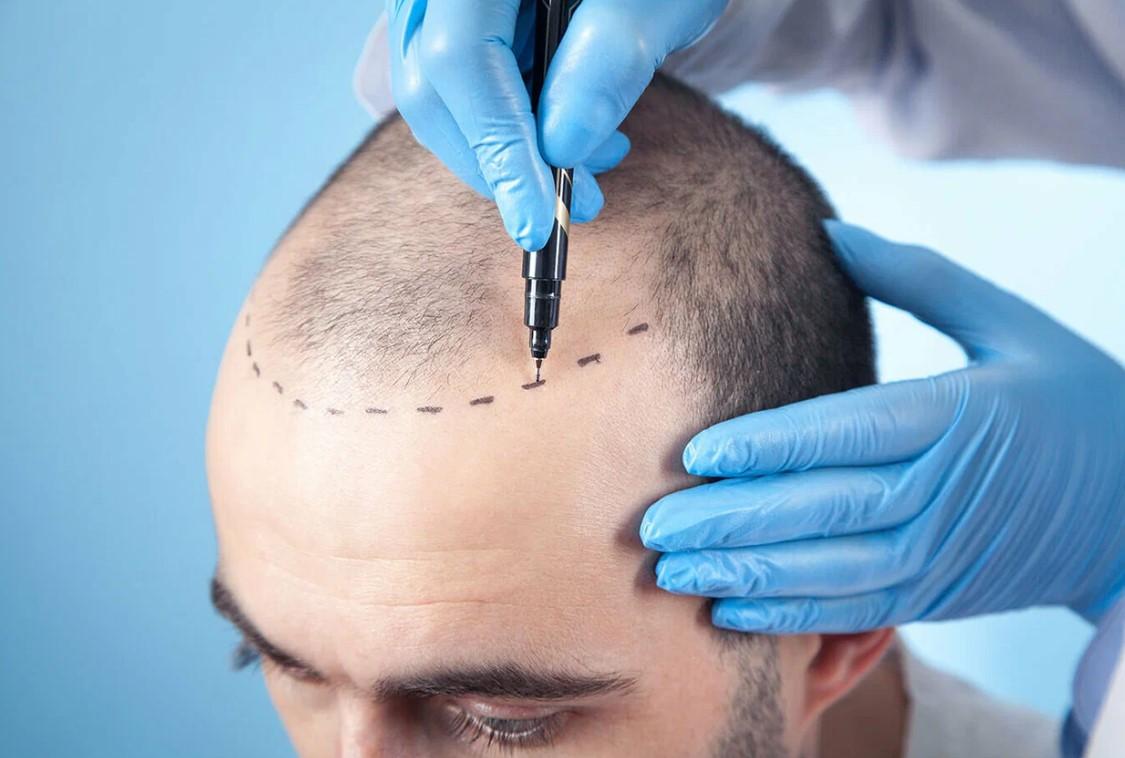
Hair loss is a widespread concern that affects people of different ages and genders. While some forms of hair loss can be temporary and managed with medical or lifestyle interventions, others are progressive and permanent. Hair transplant procedures are specifically designed to treat certain types of hair loss where hair follicles have stopped growing but the scalp remains healthy. Understanding the causes of hair loss that can be effectively treated with a hair transplant is essential for setting realistic expectations and achieving satisfying results. Hair transplant in Riyadh is a popular solution for individuals seeking natural-looking hair restoration with long-lasting results.
Genetic Hair Loss (Androgenetic Alopecia)
The most common cause of hair loss treated with hair transplant procedures is androgenetic alopecia, often known as male or female pattern baldness. This condition is hereditary and occurs due to sensitivity of hair follicles to hormones that cause gradual thinning. In men, it typically presents as a receding hairline and thinning at the crown, while women experience diffuse thinning over the top of the scalp with preservation of the frontal hairline.
Hair transplants are highly effective for this type of hair loss because the follicles taken from the donor area—usually the back or sides of the scalp—are genetically resistant to thinning. When these follicles are transplanted to balding areas, they retain their resistance and continue to grow permanently.
Receding Hairline
A receding hairline is a specific pattern of hair loss commonly seen in men but also experienced by some women. It may develop gradually or become noticeable at a young age due to genetics. Hair transplantation can restore the natural hairline by carefully placing grafts to recreate a balanced and age-appropriate shape.
This cause of hair loss responds well to hair transplant techniques because the surrounding scalp is usually healthy, allowing transplanted follicles to integrate naturally and provide long-term coverage.
Crown and Vertex Baldness
Hair loss at the crown or vertex of the scalp is another frequent concern, particularly in men with advanced pattern baldness. The crown area often thins gradually, creating a visible bald spot that expands over time.
Hair transplants can successfully address crown baldness by redistributing healthy donor follicles into the affected area. Special planning is required to follow the natural spiral pattern of hair growth in the crown, ensuring a natural appearance and even density.
Hair Loss Due to Trauma or Injury
Hair loss caused by trauma, such as accidents, burns, or surgical scars, can often be treated with hair transplantation. In these cases, hair follicles are destroyed due to physical damage rather than hormonal or genetic factors.
As long as the scar tissue has adequate blood supply and the area is stable, hair transplant procedures can implant follicles into the affected region. This helps restore hair growth and improves both aesthetic appearance and confidence.
Post-Surgical or Scar-Related Hair Loss
Some individuals experience localized hair loss following cosmetic or medical procedures, including previous scalp surgeries. This type of hair loss is usually permanent in the affected area.
Hair transplantation can be used to camouflage scars or restore hair in regions where follicles no longer grow. Careful technique is required to ensure proper graft survival in scar tissue, but successful outcomes are achievable with proper assessment.
Hair Loss from Traction Alopecia
Traction alopecia results from prolonged tension on hair follicles caused by tight hairstyles, repeated pulling, or certain grooming habits. Over time, constant stress can damage follicles and lead to permanent hair loss, especially along the hairline and temples.
When traction alopecia reaches a stage where follicles are irreversibly damaged, hair transplant procedures may be considered. Transplantation is typically performed after the causative habits have been stopped to prevent further damage and ensure lasting results.
Hair Loss After Medical Conditions or Treatments
Certain medical conditions or treatments can lead to permanent hair loss in localized areas. While temporary hair loss from illness or stress is not suitable for hair transplantation, permanent loss due to conditions that destroy follicles may be addressed once the condition is stable.
A thorough medical evaluation is essential to determine whether hair loss is permanent and suitable for transplant treatment.
Hair Loss Due to Aging
As part of the natural aging process, hair density may decrease, and hairlines may recede. While aging-related hair loss varies among individuals, hair transplantation can be an effective option for those with sufficient donor hair and good scalp health.
Transplants in older individuals focus on restoring a natural, age-appropriate look rather than excessive density, ensuring harmonious and realistic results.
When Hair Transplant Is Not Suitable
It is important to note that not all hair loss can be treated with hair transplantation. Conditions involving active inflammation, widespread scarring, or temporary shedding phases are generally not ideal candidates. Identifying the exact cause of hair loss is critical before proceeding.
Final Thoughts
Hair transplant procedures in Riyadh are designed to treat specific causes of permanent hair loss where follicles no longer regenerate naturally. From genetic hair loss to scarring and traction-related damage, understanding the underlying cause helps determine suitability and success. With proper diagnosis, careful planning, and realistic expectations, hair transplantation can offer long-lasting restoration and renewed confidence.

 English
 Arabic
 French
 Spanish
 Portuguese
 Turkish
 Dutch
Dutch
 Italiano
 Russian
 Romaian
 Portuguese (Brazil)
 Greek
Greek