


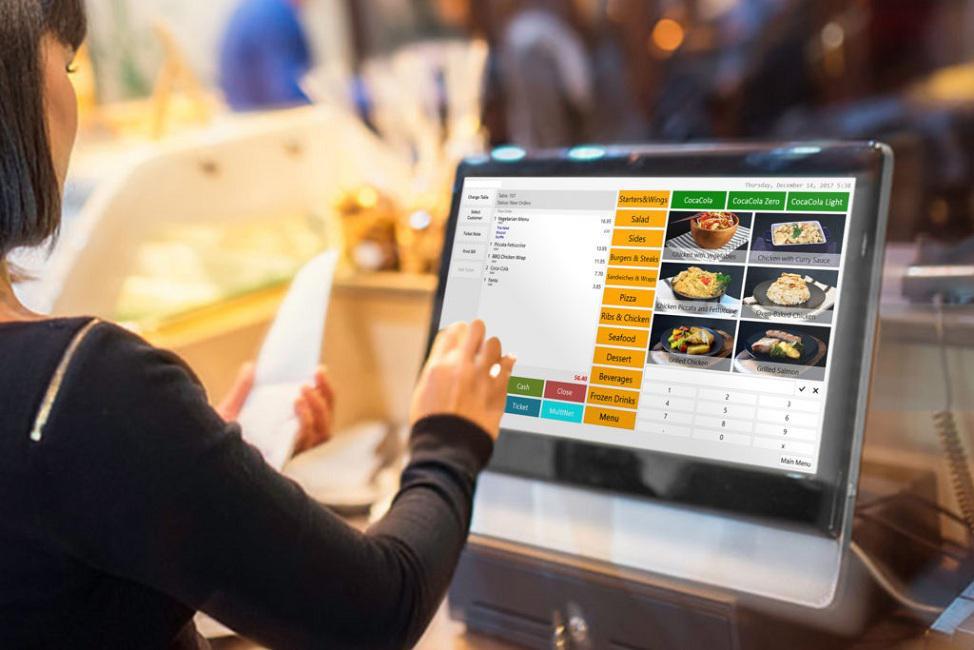
The food industry has evolved rapidly in recent years. Customer expectations are higher, competition is stronger, and operational costs continue to rise. In this environment, Restaurant management software has become a critical tool for restaurant owners who want better control, visibility, and profitability. From managing orders to tracking inventory and analyzing performance, technology now plays a central role in daily restaurant operations.
Understanding Restaurant Management Software
Restaurant management software is a digital solution designed to handle and streamline core restaurant activities. It connects different departments such as front desk, kitchen, inventory, billing, and customer service into one integrated system.
Instead of relying on spreadsheets or manual records, restaurant owners can access real time data from a single dashboard. This makes decision making faster and more accurate. Whether it is a single outlet or a chain of restaurants, centralized control improves consistency and performance.
Why Restaurants Struggle Without Digital Systems
Many restaurants still depend on traditional processes. Manual billing errors, poor stock tracking, and miscommunication between staff often lead to revenue loss. Inventory shortages during peak hours can damage customer trust. Delayed service or incorrect orders affect brand reputation.
Without structured data, it is also difficult to measure which menu items are profitable or which marketing campaigns are effective. A digital system solves these issues by offering transparency and control across operations.
Key Features That Improve Daily Operations
Modern restaurant management platforms offer a wide range of features that support business growth.
Order and Billing Management
Digital order systems reduce errors and speed up billing. Integrated payment solutions support multiple payment methods and ensure smooth checkout experiences.
Inventory Tracking
Automated stock monitoring prevents over ordering and under stocking. Alerts help managers restock ingredients before they run out.
Employee Management
Shift scheduling, attendance tracking, and performance monitoring help optimize workforce efficiency.
Customer Relationship Management
Customer data helps restaurants understand preferences and create targeted promotions. Loyalty programs and personalized offers improve repeat visits.
Reporting and Analytics
Detailed reports provide insights into daily sales, peak hours, popular dishes, and overall performance.
Benefits for Restaurant Owners
Improved Efficiency
Automation reduces manual tasks and frees staff to focus on customer service.
Better Financial Control
Real time reporting helps monitor expenses, revenue, and profit margins.
Enhanced Customer Experience
Faster service and accurate orders create positive dining experiences.
Scalability
As the restaurant grows, the software can support multiple outlets without operational complexity.
Data Driven Decisions
Owners can make strategic decisions based on actual performance metrics instead of guesswork.
How Cloud Based Systems Are Transforming the Industry
Cloud technology has changed how restaurants access and manage data. Owners can monitor operations from anywhere using a secure login. This is especially helpful for businesses operating in multiple locations.
Cloud based systems also reduce the need for expensive hardware infrastructure. Automatic updates ensure the software remains secure and up to date with the latest features.
Choosing the Right Solution for Your Restaurant
Selecting the right system requires understanding your business size, goals, and operational challenges. Small restaurants may focus on billing and inventory features, while larger chains may need advanced analytics and integration with delivery platforms.
It is important to choose software that is user friendly, secure, and scalable. Staff training should be simple, and the interface should support quick adoption.
Future Trends in Restaurant Technology
Technology in the restaurant sector continues to advance. Integration with online delivery platforms, digital menus, contactless payments, and mobile ordering systems are becoming standard expectations.
Artificial intelligence driven forecasting tools are helping restaurants predict demand and manage resources efficiently. Customer behavior analysis is also improving marketing strategies and menu planning.
Restaurants that embrace innovation are better positioned to compete in a dynamic market.
Final Thoughts
The restaurant industry demands speed, accuracy, and adaptability. Digital solutions are no longer optional but essential for survival and growth. Implementing the right system improves operations, enhances customer satisfaction, and supports long term profitability.
To ensure scalability, flexibility, and continuous innovation, many providers now build these platforms using SaaS development models. This approach allows restaurants to access powerful features through subscription based services without heavy upfront investment. By combining operational expertise with modern technology, restaurant businesses can build a strong foundation for sustainable success.
Frequently Asked Questions
Q1. What is restaurant management software
Restaurant management software is a digital system that helps manage billing, inventory, staff, customer data, and reporting in a restaurant.
Q2. Is restaurant management software suitable for small restaurants
Yes. Small restaurants benefit from improved efficiency, accurate billing, and better inventory control without needing large administrative teams.
Q3. How does cloud based software help restaurant owners
Cloud based systems allow owners to access real time data from any location and reduce infrastructure costs.
Q4. Can restaurant management software integrate with online delivery platforms
Many modern solutions support integration with delivery services to manage orders and payments from one dashboard.
Q5. Why is SaaS development important for restaurant software
SaaS development ensures scalability, regular updates, and cost effective deployment through subscription based access, making it easier for restaurants to adopt advanced technology.

 Arabic
 French
 Spanish
 Portuguese
 Deutsch
 Turkish
 Dutch
Dutch
 Italiano
 Russian
 Romaian
 Portuguese (Brazil)
 Greek
Greek