


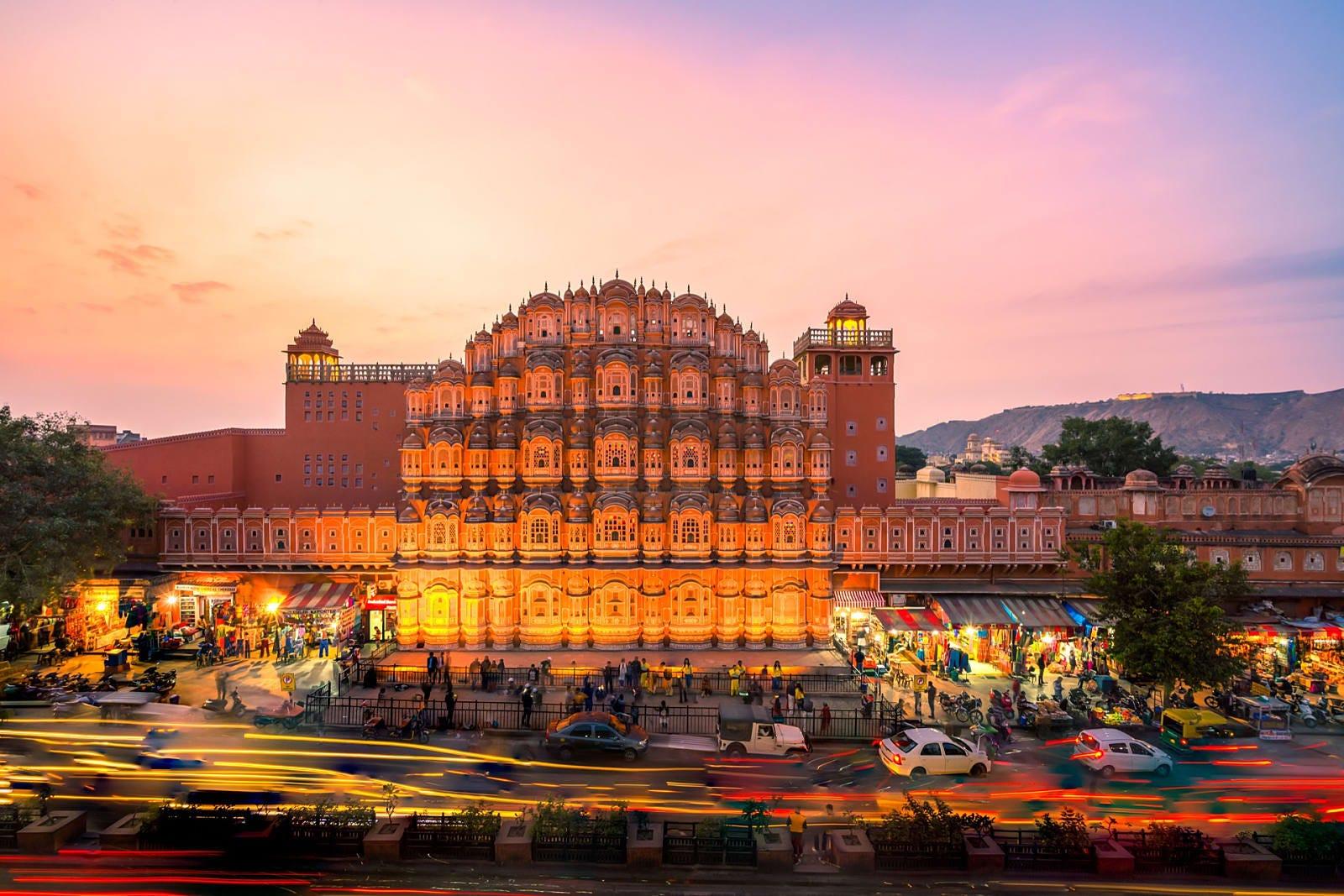
India is a land of timeless traditions, and Rajasthan stands out as its crown jewel. Heritage Tourism in Rajasthan is a journey into the heart of India’s royal past, where majestic forts, palaces, havelis, and vibrant cultural practices narrate centuries-old stories. Known as the “Land of Kings,” Rajasthan offers travelers a chance to immerse themselves in grandeur, spirituality, and artistry, making it one of the most sought-after destinations for heritage tourism in the world.
Introduction to Rajasthan’s Heritage
Rajasthan, located in northwestern India, is synonymous with royalty and valor. Its history is shaped by Rajput dynasties, Mughal influences, and colonial encounters. The state is dotted with architectural marvels, desert landscapes, and colorful festivals that reflect its rich cultural tapestry. Heritage tourism here is not just about sightseeing—it’s about experiencing the living traditions that continue to thrive.
Why Heritage Tourism in Rajasthan is Special
-
Royal Architecture: Magnificent forts, palaces, and havelis.
-
Cultural Vibrancy: Folk music, dance, and festivals.
-
Living Traditions: Crafts, cuisine, and rituals preserved for centuries.
-
Spiritual Depth: Temples and pilgrimage sites.
-
Global Appeal: Recognized by UNESCO for its heritage sites.
Major Heritage Destinations in Rajasthan
1. Jaipur – The Pink City
-
Highlights: Amber Fort, City Palace, Hawa Mahal, and Jantar Mantar.
-
Culture: Blend of Rajput and Mughal architecture.
-
Experience: Elephant rides at Amber Fort and shopping for jewelry and textiles.
2. Udaipur – The City of Lakes
-
Highlights: City Palace, Lake Pichola, Jag Mandir, and Saheliyon Ki Bari.
-
Culture: Romantic palaces and serene lakes.
-
Experience: Boat rides on Lake Pichola and traditional Mewari cuisine.
3. Jodhpur – The Blue City
-
Highlights: Mehrangarh Fort, Umaid Bhawan Palace, and Jaswant Thada.
-
Culture: Majestic forts overlooking blue-painted houses.
-
Experience: Exploring bazaars and savoring Marwari delicacies.
4. Jaisalmer – The Golden City
-
Highlights: Jaisalmer Fort, Patwon Ki Haveli, and Sam Sand Dunes.
-
Culture: Desert architecture and camel safaris.
-
Experience: Desert camping and folk performances under the stars.
5. Pushkar – The Sacred Town
-
Highlights: Brahma Temple, Pushkar Lake, and annual Camel Fair.
-
Culture: Spiritual significance and vibrant festivals.
-
Experience: Pilgrimage rituals and cultural immersion.
6. Bikaner – The Desert Jewel
-
Highlights: Junagarh Fort, Karni Mata Temple, and Lalgarh Palace.
-
Culture: Blend of Rajput and Mughal influences.
-
Experience: Tasting Bikaneri snacks and sweets.
7. Chittorgarh – The Fort of Valor
-
Highlights: Chittorgarh Fort, Vijay Stambh, and Kirti Stambh.
-
Culture: Symbol of Rajput bravery and sacrifice.
-
Experience: Exploring tales of Rani Padmini and Rajput pride.
8. Mount Abu – The Hill Station
-
Highlights: Dilwara Temples, Nakki Lake, and Sunset Point.
-
Culture: Jain architectural brilliance.
-
Experience: Peaceful retreats amidst hills.
Cultural Experiences in Rajasthan
Heritage tourism in Rajasthan is enriched by vibrant cultural practices:
-
Festivals: Desert Festival in Jaisalmer, Teej in Jaipur, and Pushkar Camel Fair.
-
Music and Dance: Kalbeliya dance, Ghoomar, and folk songs.
-
Cuisine: Dal Baati Churma, Laal Maas, and Ghewar.
-
Crafts: Block printing, blue pottery, and miniature paintings.
-
Hospitality: Staying in heritage hotels and havelis.
Suggested Itinerary for Heritage Tourism in Rajasthan
Day 1–2: Jaipur
-
Explore Amber Fort, City Palace, and Hawa Mahal.
-
Shop in Johari Bazaar and enjoy Rajasthani cuisine.
Day 3–4: Udaipur
-
Visit City Palace and take a boat ride on Lake Pichola.
-
Explore Jag Mandir and Saheliyon Ki Bari.
Day 5–6: Jodhpur
-
Tour Mehrangarh Fort and Umaid Bhawan Palace.
-
Stroll through blue-painted streets and bazaars.
Day 7–8: Jaisalmer
-
Explore Jaisalmer Fort and Patwon Ki Haveli.
-
Enjoy camel safari and desert camping.
Day 9: Pushkar
-
Visit Brahma Temple and Pushkar Lake.
-
Experience the Camel Fair (seasonal).
Day 10: Departure
-
Return to Jaipur or onward journey.
Best Time to Visit Rajasthan
The best time to explore heritage tourism in Rajasthan is between October and March, when the weather is pleasant for sightseeing and festivals. Summers can be extremely hot, while monsoons bring occasional rains but also lush greenery.
Travel Tips
-
Clothing: Comfortable cotton clothes; modest attire for temples.
-
Local Etiquette: Respect traditions and maintain silence in spiritual sites.
-
Booking: Reserve heritage hotels and safaris in advance.
-
Photography: Allowed in most places, but check fort and temple rules.
-
Transport: Well-connected by road, rail, and air.
Why Heritage Tourism in Rajasthan is Worth It
-
Comprehensive Experience: Covers culture, history, spirituality, and art.
-
Convenience: Organized packages with guided tours.
-
Unique Blend: Combines architectural marvels with living traditions.
-
Memorable Journey: Offers diverse experiences in a single trip.
Conclusion
Heritage Tourism in Rajasthan is more than just a travel itinerary—it is a journey into the heart of India’s royal legacy. Whether you’re marveling at the forts of Jaipur, exploring the palaces of Udaipur, witnessing rituals in Pushkar, or camping under the stars in Jaisalmer, Rajasthan promises unforgettable experiences. It blends culture, devotion, and artistry, making it one of the most sought-after heritage destinations in India.
For travelers seeking a holistic experience, Heritage Tourism in Rajasthan offers memories that will remain etched forever.

 Arabic
 French
 Spanish
 Portuguese
 Deutsch
 Turkish
 Dutch
Dutch
 Italiano
 Russian
 Romaian
 Portuguese (Brazil)
 Greek
Greek