


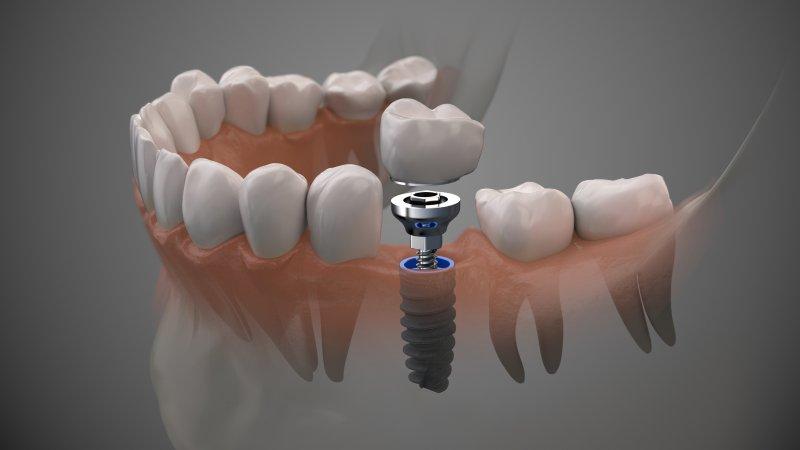
Having a tooth removed is a common dental experience that many people face at some point. While the procedure itself is quick, what happens afterward truly determines how smoothly healing progresses. Proper care after tooth removal helps protect the mouth, encourages healing, and prevents unnecessary discomfort. Understanding what to expect and how to respond makes the entire process much easier.
The First Few Hours After Tooth Removal
The immediate period following Tooth Removal Dubai requires gentle attention. A small amount of bleeding is normal, and the body quickly begins its healing work. Placing clean gauze over the empty socket and biting down with steady, gentle pressure helps slow any bleeding. Keeping the head propped up on pillows while resting minimizes blood flow to the area and reduces throbbing sensations.
It is best to avoid rinsing, spitting, or using straws during these early hours. The mouth needs time to form a protective clot over the extraction site. Disrupting this clot can delay healing and lead to unnecessary setbacks. Resting quietly and allowing the body to focus its energy on recovery is the kindest thing anyone can do for themselves.
Eating and Drinking After Tooth Removal
What enters the mouth during healing matters significantly. Soft foods that require minimal chewing are ideal choices during the first few days. Yogurt, smooth soups, mashed potatoes, scrambled eggs, and applesauce provide nourishment without disturbing the extraction area. Foods served lukewarm or cool are more comfortable than those that are very hot.
Staying hydrated is important, but drinking should be done carefully. Sipping water directly from a cup is safer than using straws. The suction created by straws can dislodge the protective clot and interfere with healing. Carbonated beverages and alcohol are best set aside until the mouth feels completely recovered. Listening to the body’s signals about what feels comfortable helps guide food choices during this time.
Keeping the Mouth Clean While Protecting the Socket
Maintaining oral hygiene after tooth removal requires a thoughtful approach. While the rest of the mouth still benefits from regular brushing, the extraction site needs gentler handling. For the first day or two, it is wise to avoid brushing directly near the empty socket. After that, carefully cleaning the adjacent teeth helps keep bacteria levels low without disturbing the healing area.
Rinsing the mouth gently with warm salt water beginning the day after the extraction soothes the tissues and promotes cleanliness. Swishing should be very gentle, almost like letting the water simply rest in the mouth before tilting the head to let it flow out. This mild routine keeps the area fresh without disrupting the body’s natural healing processes.
Managing Discomfort and Swelling
Some swelling and tenderness are expected after tooth removal. The body sends extra blood flow to the area to support healing, which naturally causes some puffiness. Applying a cold compress to the outside of the cheek near the extraction site during the first day helps keep swelling minimal. Using the compress for short intervals with breaks in between provides comfort without overdoing it.
Resting with the head elevated, even during sleep, encourages fluid drainage and reduces morning puffiness. Most discomfort lessens significantly after the first few days. The body has an impressive ability to heal, and trusting that process while providing gentle support makes a meaningful difference.
Physical Activity and Rest
The body needs energy to heal, and physical exertion diverts resources away from recovery. For the first few days after tooth removal, resting is more beneficial than rushing back into regular activities. Strenuous exercise, heavy lifting, and intense bending increase blood pressure and can restart bleeding from the extraction site.
Gentle walking is acceptable if it feels comfortable, but high-energy pursuits are best postponed until healing is further along. Giving the body permission to rest is not lazy; it is an active part of the recovery process. Sleep is especially restorative, and allowing extra time for rest supports faster healing.
What Happens During Normal Healing
Understanding what normal healing looks like helps ease unnecessary worry. In the first twenty-four hours, the socket fills with a blood clot that serves as a protective foundation. Over the following days and weeks, new tissue gradually forms over the clot. The gum tissue closes slowly, and the underlying bone begins its own longer healing journey.
Some people notice small white or grayish material appearing in the socket during healing. This is often granulation tissue, which is a normal part of the body rebuilding itself. Minor unevenness in the gum line may be felt with the tongue, but this typically smooths out over time. Healing rates vary from person to person, and that is completely normal.
When to Contact a Dental Professional
While most healing progresses without issue, certain situations deserve professional attention. Bleeding that continues heavily beyond the first day, pain that intensifies instead of improving, or swelling that spreads beyond the extraction area are signs that something may need evaluation. Fever or persistent unpleasant taste in the mouth are also worth discussing.
It is always appropriate to reach out with questions or concerns. Dental professionals expect follow-up calls and are prepared to offer guidance. No question is too small when it comes to health and healing. Trusting one’s instincts and seeking clarification when something feels off is a responsible part of self-care.
Emotional Aspects of Tooth Removal
Losing a tooth, even when expected, can bring up unexpected emotions. Some people feel self-conscious about changes in their smile or worry about future dental health. These feelings are valid and common. Giving oneself grace during this adjustment period is important.
The mouth adapts remarkably well over time. What feels unfamiliar immediately after tooth removal eventually becomes normal. Focusing on the benefits of addressing dental concerns rather than dwelling on the loss helps shift perspective. Healing involves both the body and the mind, and both deserve compassionate attention.
Frequently Asked Questions
How long does it take for the socket to fully heal?
Initial gum healing takes about one to two weeks, but the bone underneath continues remodeling for several months. The soft tissue closes relatively quickly, while deeper structures follow a slower timeline.
Can I brush my other teeth normally?
Yes, brushing the rest of the teeth is encouraged. Just move carefully around the extraction site and avoid direct contact with the socket until the area feels less tender.
Is it normal to have bad breath after tooth removal?
Some odor is common as the mouth heals. Gentle salt water rinses help keep the area fresh without disturbing the clot. Persistent strong odor should be mentioned to a dental professional.
When can I return to my normal routine?
Most people feel ready for regular activities within a few days, but this varies. Listening to the body and avoiding overexertion is the best approach. Heavy physical activity may need to wait a bit longer.
What if food gets stuck in the extraction site?
Gentle rinsing with warm water usually dislodges minor food particles. It is important not to poke at the area with fingers or tools. The mouth naturally cleanses itself over time, and healing tissue gradually fills the space.
Supporting Long-Term Oral Health
Tooth Removal in Dubai is sometimes one step in a longer journey of caring for the mouth. After healing is complete, maintaining good oral hygiene habits supports the health of remaining teeth and gums. Regular cleaning routines, thoughtful dietary choices, and paying attention to changes in the mouth all contribute to lasting wellness.
Each person’s dental history is unique, and healing experiences differ. What remains constant is the body’s natural drive toward recovery. Treating the mouth with kindness during the healing period honors that innate ability. With patience and gentle care, the mouth returns to comfort and function, ready to support overall health for years to come.

 English
 Arabic
 French
 Spanish
 Portuguese
 Deutsch
 Turkish
 Dutch
Dutch
 Italiano
 Romaian
 Portuguese (Brazil)
 Greek
Greek