


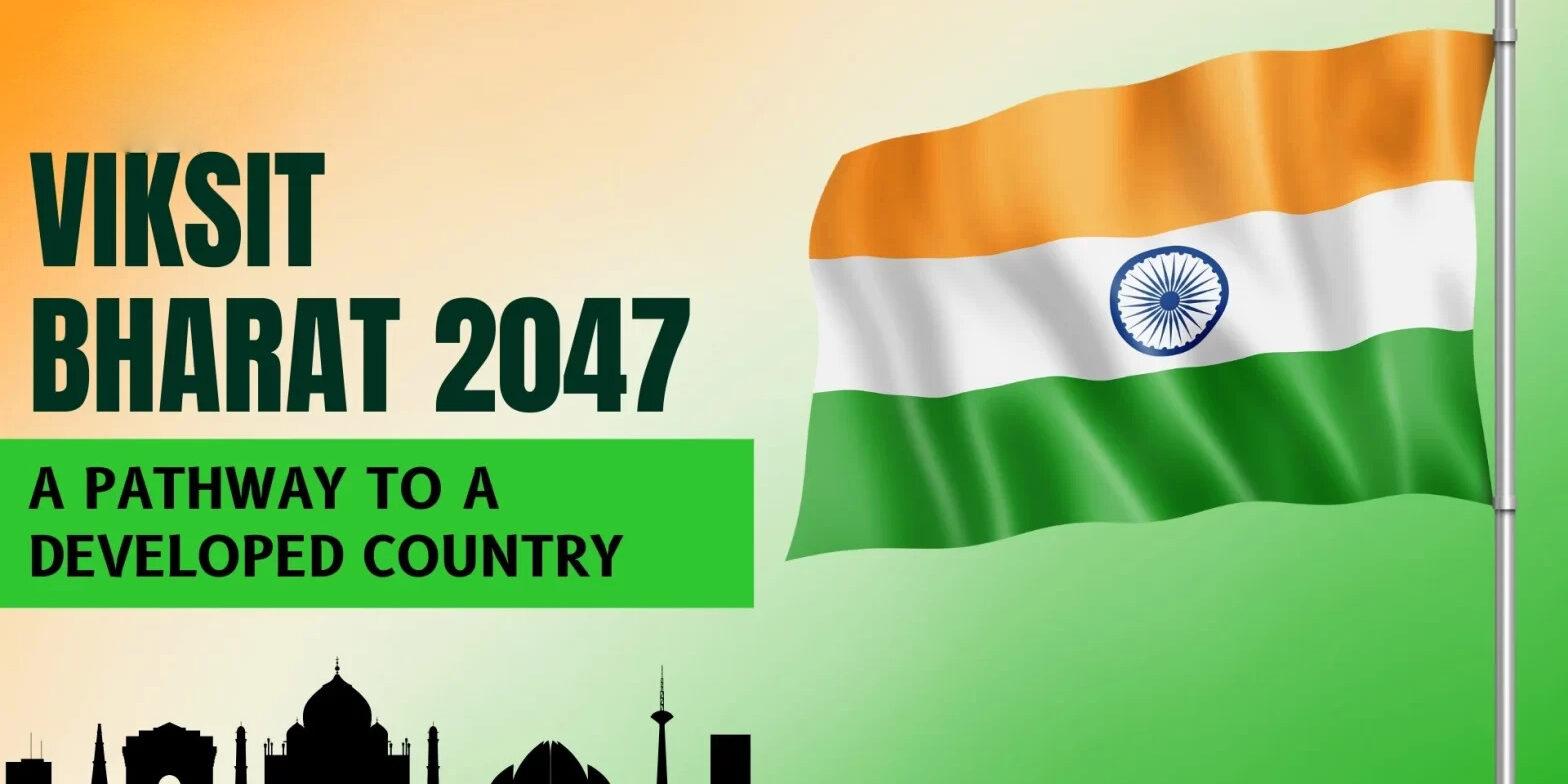
India stands at a defining moment in its history. As the nation celebrates 100 years of independence in 2047, the vision of Viksit Bharat 2047 has emerged as a powerful roadmap for transforming India into a fully developed, inclusive, and self-reliant nation. The concept of Viksit Bharat goes beyond economic growth—it represents social equity, technological leadership, environmental sustainability, and global influence.
This article explores the meaning of Viksit Bharat 2047, its core pillars, objectives, and how India can achieve this ambitious yet achievable goal.
What Is Viksit Bharat?
The term Viksit Bharat literally means “Developed India.” It reflects the aspiration to elevate India’s economic, social, and institutional standards to match those of the world’s most advanced nations. However, development in the Indian context is not limited to higher GDP—it also includes:
· Quality education and healthcare for all
· Poverty-free and hunger-free society
· Strong infrastructure and digital connectivity
· Sustainable and green growth
· Equal opportunities regardless of region, gender, or background
Viksit Bharat 2047 is a long-term national vision aimed at achieving these goals by the centenary year of India’s independence.
Why Viksit Bharat 2047 Matters
India is one of the youngest nations in the world, with a large working-age population and immense human potential. By 2047, India is expected to be among the world’s largest economies. The Viksit Bharat vision ensures that this growth is:
· Inclusive – Benefiting all sections of society
· Sustainable – Protecting the environment for future generations
· Innovative – Driven by technology, research, and entrepreneurship
Without a structured vision like Viksit Bharat 2047, economic growth alone could widen inequality. This initiative aligns development with social justice and long-term national interest.
Key Pillars of Viksit Bharat 2047
1. Economic Growth and Self-Reliance
A core objective of Viksit Bharat is to build a strong, resilient economy. This includes:
· Expanding manufacturing under initiatives like Make in India
· Promoting startups, MSMEs, and innovation
· Strengthening exports and reducing import dependence
· Creating high-quality employment opportunities
Becoming a $20–30 trillion economy by 2047 is central to the Viksit Bharat 2047 vision.
2. Social Development and Inclusion
True development cannot exist without social progress. Viksit Bharat focuses on:
· Eliminating extreme poverty
· Universal access to healthcare and nutrition
· Affordable housing for all
· Women-led development and gender equality
· Empowerment of rural and tribal communities
An inclusive approach ensures that no citizen is left behind in India’s development journey.
3. Education, Skill Development, and Youth Power
India’s youth are the driving force behind Viksit Bharat 2047. Key priorities include:
· High-quality school and higher education
· Skill development aligned with future industries
· Digital literacy and lifelong learning
· Research, innovation, and global competitiveness
A skilled and educated population is essential for sustaining long-term growth.
4. Technology and Digital India
Technology plays a transformational role in building Viksit Bharat. India’s digital public infrastructure has already made global headlines. By 2047, the focus will be on:
· Artificial intelligence and emerging technologies
· E-governance and transparent public services
· Digital inclusion in rural and remote areas
· Cybersecurity and data protection
Digital empowerment is a key accelerator of the Viksit Bharat vision.
5. Infrastructure and Urban-Rural Balance
World-class infrastructure is the backbone of a developed nation. Viksit Bharat 2047 emphasizes:
· Modern highways, railways, ports, and airports
· Smart cities and sustainable urban planning
· Strong rural infrastructure—roads, housing, sanitation, and internet
· Affordable and efficient public transport
Balanced regional development is crucial to prevent uneven growth.
6. Environmental Sustainability and Green Growth
Development must respect nature. Viksit Bharat promotes:
· Renewable energy and clean power
· Climate-resilient agriculture
· Water conservation and waste management
· Sustainable lifestyles and green innovation
India aims to be a global leader in climate action while continuing its growth story.
Role of Citizens in Building Viksit Bharat
Viksit Bharat 2047 is not only a government initiative—it is a people’s movement. Every citizen has a role to play:
· Students by gaining skills and knowledge
· Entrepreneurs by creating jobs and innovation
· Professionals by maintaining ethical and productive work culture
· Communities by promoting cleanliness, harmony, and sustainability
Collective participation transforms a vision into reality.
Challenges on the Path to Viksit Bharat 2047
While the goal is ambitious, challenges remain:
· Income inequality
· Rapid urbanization
· Climate change risks
· Global economic uncertainties
· Need for continuous reforms
Addressing these challenges requires strong leadership, policy consistency, and public cooperation.
Conclusion: The Promise of Viksit Bharat 2047
Viksit Bharat 2047 is more than a slogan—it is a national commitment to building a prosperous, inclusive, and confident India. By focusing on economic strength, social justice, innovation, and sustainability, India can redefine development on its own terms.

 English
 Arabic
 French
 Spanish
 Portuguese
 Turkish
 Dutch
Dutch
 Italiano
 Russian
 Romaian
 Portuguese (Brazil)
 Greek
Greek