


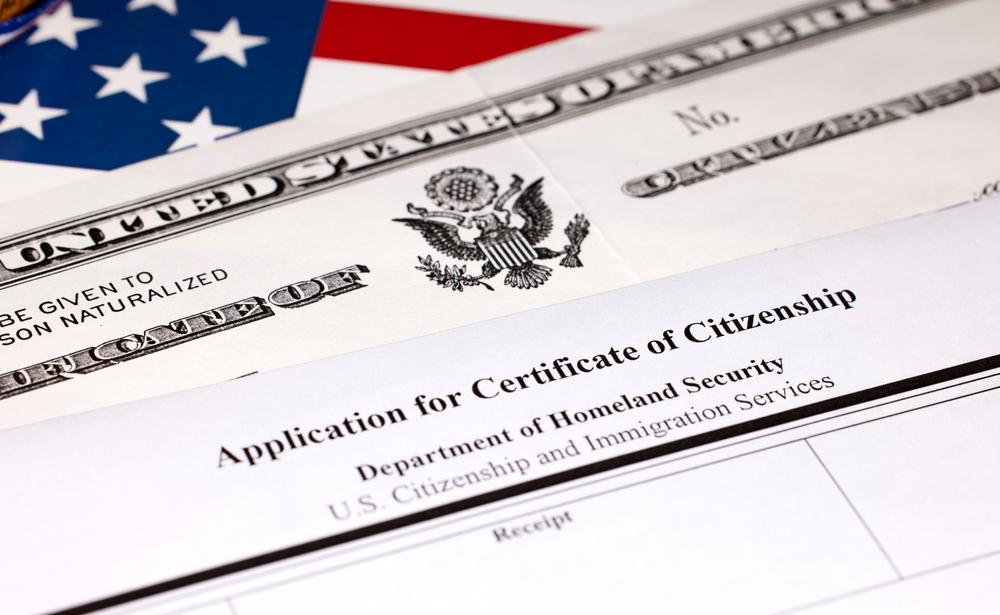
Canada is recognized globally for its fair, transparent, and structured immigration system. Each year, hundreds of thousands of individuals apply for permanent residence and citizenship, seeking new opportunities and a stable future. At the heart of this system lies a powerful safeguard: biometric verification. Specifically, fingerprints for Canadian citizenship play a critical role in protecting the country’s immigration integrity, ensuring that identity verification is accurate, secure, and resistant to fraud.
In a world where identity theft, document forgery, and cross-border crime have become increasingly sophisticated, governments must rely on verification methods that go beyond paper documentation. Fingerprints unique, permanent, and scientifically reliable provide that assurance. By incorporating fingerprints for Canadian citizenship into the screening process, Canada reinforces public trust while upholding fairness and national security.
Fingerprints for Canadian Citizenship: A Cornerstone of Identity Verification
When an individual applies for Canadian citizenship, Immigration, Refugees and Citizenship Canada (IRCC) may request biometric verification to confirm identity and conduct security screening. The process involves capturing digital fingerprints through certified service providers and transmitting them securely to the Royal Canadian Mounted Police (RCMP) for criminal record checks.
The requirement for fingerprints for Canadian citizenship typically arises when:
- An applicant’s name and date of birth match or resemble an existing record
- Additional identity verification is required
- Security screening protocols require confirmation
- Background checks reveal potential concerns
Fingerprint-based screening ensures that citizenship decisions are made based on verified biometric identity rather than solely on personal details, which can be duplicated or manipulated.
The RCMP’s Canadian Criminal Real Time Identification Services (CCRTIS) manages national fingerprint identification databases and processes millions of civil fingerprint transactions annually. This infrastructure allows authorities to confirm whether an applicant has a criminal record in Canada, helping maintain the integrity of the naturalization process.
Why Biometrics Matter in a Modern Immigration System
Immigration systems worldwide face increasing challenges. According to global security and migration reports from organizations such as the United Nations and Interpol, identity fraud and document falsification remain persistent risks in international mobility systems.
Canada’s immigration framework is built on fairness and opportunity—but also on due diligence. By integrating fingerprints for Canadian citizenship into background screening protocols, the government ensures:
Accurate Identity Confirmation
Fingerprints are unique to each individual, even among identical twins. Unlike names or birthdates, biometric data cannot be easily altered or duplicated.
Fraud Prevention
Biometric checks reduce the risk of identity substitution or multiple applications under false identities.
Security Assurance
Fingerprint screening helps identify individuals with undisclosed criminal records.
System Credibility
Robust identity checks preserve public confidence in Canada’s immigration policies.
In a country that welcomes newcomers from around the world, balancing openness with security is essential. Biometrics make that balance possible.
The Legal and Regulatory Framework Behind Biometric Screening
Canada’s use of biometrics in immigration and citizenship processes operates within strict legal frameworks. Legislation such as the Immigration and Refugee Protection Act (IRPA) provides the authority for collecting biometric information when necessary.
Additionally, privacy laws, including the Privacy Act and the Personal Information Protection and Electronic Documents Act (PIPEDA) govern how biometric data is handled, stored, and transmitted.
When applicants provide fingerprints for Canadian citizenship, their data is:
- Collected by accredited providers
- Transmitted securely to the RCMP
- Used strictly for authorized screening purposes
- Protected under federal privacy standards
These safeguards ensure that while the system is robust, it also respects individual rights and data protection principles.
Preventing Identity Fraud in Citizenship Applications
Identity fraud poses serious risks to immigration systems. Fraudulent applications can undermine public trust, delay legitimate cases, and create vulnerabilities in national security.
Historically, immigration fraud has included:
- Use of aliases
- Altered travel documents
- Concealed criminal records
- Duplicate identities
By requiring Citizenship Fingerprint, authorities create a biometric link between the applicant and their verified identity. This makes it significantly harder to misrepresent personal history or conceal disqualifying information.
Fingerprint verification is particularly effective because:
- It is tied directly to biometric patterns, not biographical data
- It cross-references existing criminal databases
- It reduces false positives common in name-based checks
This layered security approach ensures that only eligible applicants progress through the citizenship process.
Strengthening Public Confidence in Canada’s Immigration Integrity
Public trust is central to immigration policy. Canadians expect their government to welcome newcomers while safeguarding public safety.
The implementation of fingerprints for Canadian citizenship demonstrates a commitment to responsible governance. By incorporating biometric verification into the naturalization pathway, Canada shows that citizenship decisions are made with diligence and fairness.
This transparency strengthens:
- Public confidence in immigration policies
- International confidence in Canadian travel documents
- The global reputation of Canadian citizenship
Canadian passports are among the most respected travel documents worldwide. Maintaining that reputation requires strict identity verification standards at every stage of the immigration and citizenship process.
Digital Fingerprinting and Technological Advancements
Modern fingerprinting uses digital live-scan systems rather than traditional ink-and-paper methods. Digital capture improves clarity, reduces errors, and speeds up processing times.
When applicants submit Citizenship Fingerprint, digital systems allow for:
- Immediate quality checks
- Secure electronic submission
- Faster processing by RCMP databases
- Reduced risk of rejected prints due to smudging or poor capture
This technological evolution supports efficiency without compromising accuracy. As Canada continues modernizing public services, biometric verification integrates seamlessly into digital workflows.
Supporting Fairness and Equal Treatment
Biometric verification does not target specific nationalities or backgrounds. Instead, it applies objective standards equally to all applicants who meet certain criteria.
Requiring fingerprints for Canadian citizenship ensures:
- Uniform identity verification standards
- Consistent screening procedures
- Equal application of security protocols
This impartiality is essential in maintaining fairness. Every applicant is assessed under the same biometric verification principles, reinforcing equality before the law.
The Broader Impact on National Security and Community Safety
Citizenship confers significant rights, including voting privileges and access to certain government positions. As such, the process must include appropriate safeguards.
Fingerprint-based screening enhances national security by:
- Detecting undisclosed criminal convictions
- Identifying individuals using alternate identities
- Supporting collaboration with law enforcement agencies
By integrating Citizenship Fingerprint into the process, authorities reduce the likelihood of security risks entering the final stage of naturalization.
At the same time, most applicants have clean records, and biometric verification allows their cases to proceed efficiently without unnecessary delays.
Transparency and Accountability in the Screening Process
Applicants sometimes worry about biometric requirements, often due to misunderstandings. In reality, fingerprint requests do not automatically indicate wrongdoing. They are often routine identity confirmation measures.
The use of fingerprints for Canadian citizenship promotes accountability by:
- Creating an auditable verification trail
- Reducing reliance on subjective assessment
- Ensuring that background checks are evidence-based
This data-driven approach aligns with modern governance principles and international best practices in immigration management.
The Future of Biometrics in Canadian Citizenship Processing
As global mobility increases and digital identities evolve, biometric verification will likely expand further. Artificial intelligence and improved database integration may enhance matching accuracy while maintaining privacy safeguards.
Canada’s continued investment in biometric infrastructure demonstrates foresight. The system is designed not only to address present risks but also to adapt to emerging challenges.
The ongoing use of fingerprints for Canadian citizenship ensures that Canada’s naturalization process remains resilient, transparent, and internationally respected.
Conclusion: Protecting Opportunity Through Secure Identity Verification
Canadian citizenship represents opportunity, belonging, and civic participation. Protecting its value requires more than paperwork, it requires secure identity verification systems rooted in science and accountability.
By integrating fingerprints for Canadian citizenship into its immigration framework, Canada strengthens its integrity system while preserving fairness and public confidence. Biometric screening reduces fraud, enhances security, and supports efficient processing for legitimate applicants.

 Arabic
 French
 Spanish
 Portuguese
 Deutsch
 Turkish
 Dutch
Dutch
 Italiano
 Russian
 Romaian
 Portuguese (Brazil)
 Greek
Greek