


If your lakefront property once boasted a firm, sandy bottom but now squishes underfoot with an unpleasant, smelly sludge, you’re dealing with lake muck. This soft, dark buildup is the bane of many waterfront homeowners, making swimming unpleasant, launching a boat a messy chore, and generally diminishing the usability and beauty of your shoreline.
But what exactly is this foul substance, and why does it seem to relentlessly pile up year after year? Understanding the source of lake muck is the first step toward effective lake muck removal and reclaiming your valuable property.
The Unpleasant Truth About Lake Muck
Lake muck is essentially a thick layer of organic and inorganic debris settling on the lake bottom. Think of it as the ultimate compost pile, but underwater.
1. Organic Debris
The vast majority of lake muck is composed of dead plant and animal matter. This includes:
- As summer growth dies off, the plant material settles. If the decomposition process is slow or incomplete, it adds directly to the muck layer.
- Any debris that washes or blows into the water from your lawn, trees, or the surrounding watershed ends up sinking.
- The natural cycle of life and death within the lake contributes to the organic sediment.
2. Inorganic Sediment
In some areas, runoff from rain and erosion carries fine clay, silt, and sand into the lake, adding weight and volume to the muck layer.
3. The Role of Nutrients
The speed at which muck accumulates and the intensity of associated problems (like odor and weed growth) are directly linked to the presence of nutrients, primarily phosphorus and nitrogen. These nutrients act like fertilizer for algae and aquatic weeds, causing explosive growth. When these plants die, they create more organic material, fueling the cycle.
Why Muck Keeps Getting Worse
It’s frustrating to watch your shoreline deteriorate, but the accumulation of muck is often a self-perpetuating problem:
- A soft, nutrient-rich bottom is the perfect environment for nuisance weeds (like milfoil or lily pads) to take root and flourish. More weeds mean more dead plant material sinking to the bottom, adding to the muck layer.
- As organic material decomposes, it consumes oxygen in the bottom water. This lack of oxygen slows down the natural breakdown of remaining debris, allowing the muck to compact and solidify faster than it can naturally dissipate.
- The decomposition process, especially in low-oxygen environments, causes bound nutrients (like phosphorus) to be released from the muck back into the water, starting the weed and algae bloom cycle all over again.
This cycle results in the common pain points: a squishy, soft bottom, foul sulfurous odors (from anaerobic decomposition), and excessive weed growth.
Effective Lake Muck Removal
The good news is that you don't have to surrender your shoreline to the sludge. Effective lake muck removal strategies focus on breaking the cycle:
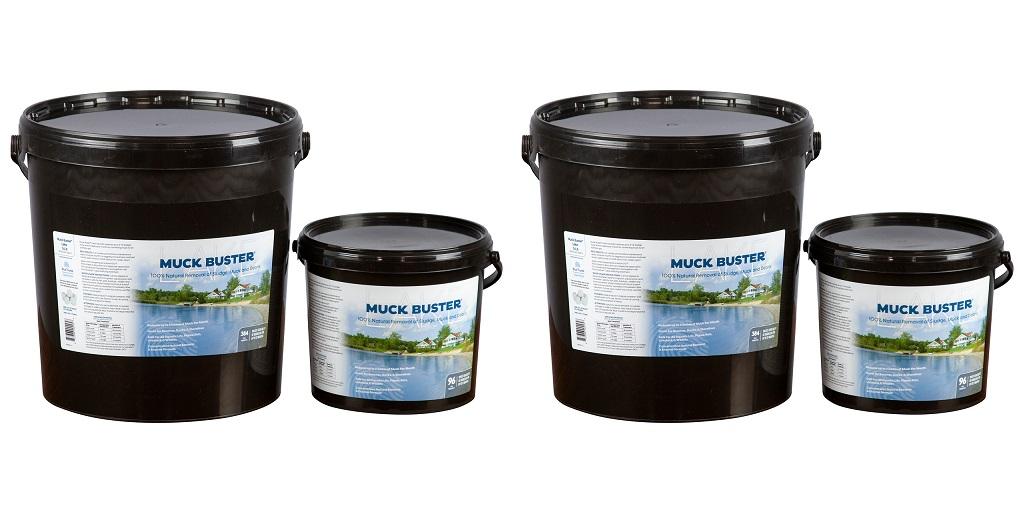
- Introducing beneficial bacteria and enzyme products can significantly accelerate the natural decomposition of the organic muck layer. These microscopic helpers essentially "eat" the organic material, reducing volume and eliminating the source of the odor.
- Installing a powerful bottom-diffused aeration system improves oxygen levels throughout the water column. This speeds up natural decomposition and inhibits the nutrient-releasing processes that occur in low-oxygen environments.
- For immediate relief in small, localized areas near docks, physical removal can provide a temporary fix, but it does not address the underlying nutrient issue.
Ready to stop squishing and start enjoying a firm, clean lake bottom? Recognizing that lake muck is fundamentally a biological issue, rather than merely a physical nuisance, is key to selecting the most effective and permanent removal solutions. Explore the wide range of effective bacterial treatments and aeration systems designed for private ponds and shorelines. Shop at Blue Thumb today and find the perfect solution to restore your beautiful waterfront.
For more information about Waterfall Spillway and Pond Skimmer Box Please visit: Blue Thumb.

 English
 Arabic
 French
 Spanish
 Portuguese
 Deutsch
 Turkish
 Italiano
 Russian
 Romaian
 Portuguese (Brazil)
 Greek
Greek