


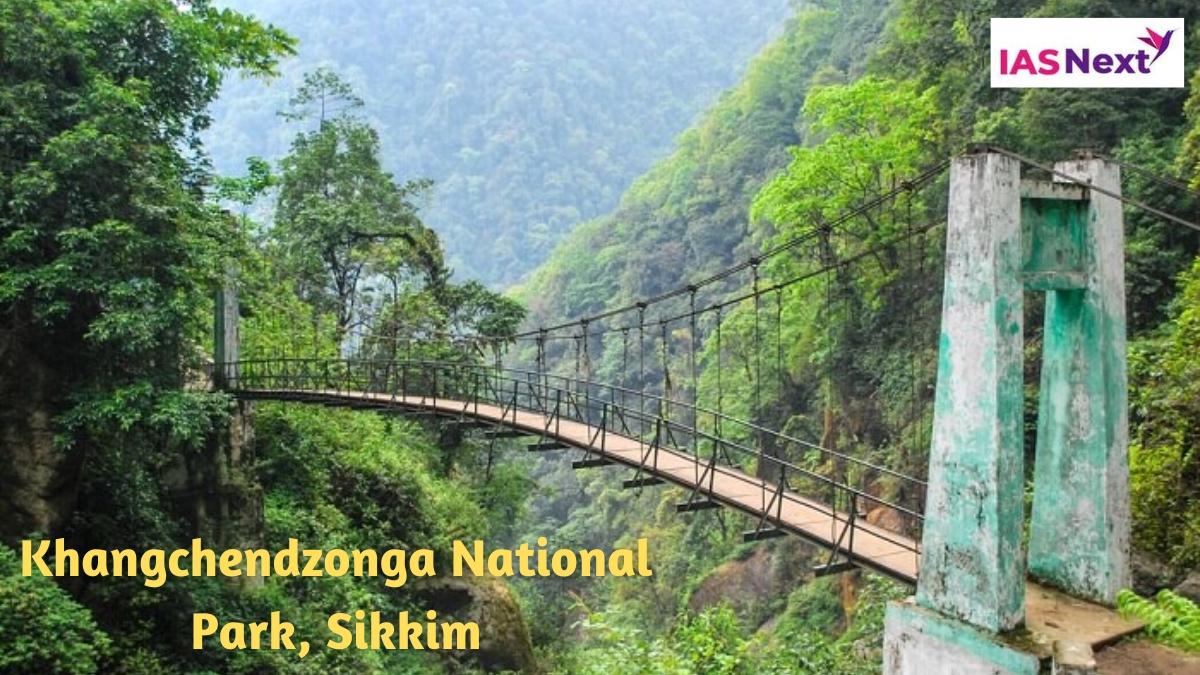
Sikkim, nestled in the Eastern Himalayas, is one of India’s richest biodiversity zones. The popular wildlife sanctuaries in Sikkim not only protect rare species but also offer eco-tourism opportunities, trekking trails, and cultural experiences that make them must-visit destinations. Despite being the second smallest state in the country, it is home to an astonishing variety of flora and fauna. From snow leopards and red pandas to exotic orchids and rhododendrons, Sikkim’s wilderness is a paradise for nature lovers.
Introduction to Sikkim’s Wildlife Sanctuaries
Sikkim is part of the Eastern Himalaya biodiversity hotspot, recognized globally for its ecological importance. Its sanctuaries and national parks are havens for rare species and eco-tourism destinations that attract nature lovers, trekkers, and researchers from across the globe.
Exploring the popular wildlife sanctuaries in Sikkim is not just about spotting animals—it’s about experiencing pristine ecosystems, conservation efforts, and the harmony between nature and culture.
Importance of Wildlife Sanctuaries in Sikkim
-
Biodiversity Conservation: Protects endangered species like the red panda, snow leopard, and Himalayan musk deer.
-
Eco-tourism: Promotes sustainable travel and awareness about nature.
-
Adventure Appeal: Trekking, camping, birdwatching, and photography.
-
Cultural Integration: Many sanctuaries are linked to local traditions and folklore.
-
Economic Growth: Supports local communities through tourism and hospitality.
Popular Wildlife Sanctuaries in Sikkim
1. Khangchendzonga National Park
-
UNESCO World Heritage Site and India’s first “Mixed-Heritage” site.
-
Named after Mount Kanchenjunga, the third-highest peak in the world.
-
Home to snow leopards, Himalayan tahr, musk deer, and diverse birdlife.
-
Offers trekking routes like Dzongri and Goecha La.
2. Fambong Lho Wildlife Sanctuary
-
Located near Gangtok, covering 52 sq km.
-
Rich in orchids, rhododendrons, and bamboo forests.
-
Wildlife includes red pandas, civets, and Himalayan black bears.
-
Popular for birdwatching and short treks.
3. Maenam Wildlife Sanctuary
-
Situated in South Sikkim, covering 35 sq km.
-
Known for medicinal plants and panoramic views of the Himalayas.
-
Wildlife includes red pandas, goral, and barking deer.
-
Offers trekking trails to Maenam Peak.
4. Shingba Rhododendron Sanctuary
-
Located in North Sikkim, famous for over 40 species of rhododendrons.
-
Best visited during spring (April–May) when flowers bloom.
-
Wildlife includes Himalayan black bears and pheasants.
-
A paradise for botanists and nature photographers.
5. Kyongnosla Alpine Sanctuary
-
Situated near Tsomgo Lake, covering 31 sq km.
-
Rich in alpine vegetation, including primulas and rhododendrons.
-
Wildlife includes red pandas, snow leopards, and Himalayan monals.
-
Offers trekking and eco-tourism experiences.
6. Pangolakha Wildlife Sanctuary
-
Located in East Sikkim, bordering Bhutan and Tibet.
-
Known for its diverse birdlife, including blood pheasants and satyr tragopans.
-
Wildlife includes red pandas, leopards, and Himalayan black bears.
-
Offers scenic trekking routes and camping opportunities.
7. Kitam Bird Sanctuary
-
Located in South Sikkim, covering 6 sq km.
-
Famous for birdwatching, with species like drongos, barbets, and parakeets.
-
Accessible year-round, making it family-friendly.
8. Barsey Rhododendron Sanctuary
-
Located in West Sikkim, covering 104 sq km.
-
Famous for rhododendron blooms and panoramic views of Kanchenjunga.
-
Wildlife includes red pandas, leopards, and Himalayan langurs.
-
Offers trekking trails through vibrant forests.
Activities in Sikkim’s Wildlife Sanctuaries
-
Trekking: Trails in Khangchendzonga, Maenam, and Barsey.
-
Birdwatching: Kitam and Pangolakha are prime spots.
-
Photography: Capture landscapes, wildlife, and floral diversity.
-
Camping: Eco-friendly campsites in alpine sanctuaries.
-
Botanical Tours: Explore rhododendron and orchid sanctuaries.
Benefits of Visiting Wildlife Sanctuaries in Sikkim
-
Spiritual and Natural Connection: Provides peace and mindfulness.
-
Adventure Appeal: Safaris and treks attract thrill-seekers.
-
Cultural Exchange: Promotes interaction between global travelers and locals.
-
Economic Boost: Supports hospitality, transport, and handicraft industries.
-
Environmental Awareness: Encourages respect for nature and sustainable practices.
Challenges in Sikkim Wildlife Tourism
-
Overcrowding: Popular parks face congestion during peak seasons.
-
Environmental Concerns: Need for strict waste management and conservation.
-
Infrastructure Gaps: Remote areas require better facilities.
-
Climate Change: Alters habitats and migration patterns.
-
Permit Requirements: Restricted areas need special permissions.
Sustainable Practices in Sikkim Wildlife Tourism
-
Promote eco-friendly accommodations near sanctuaries.
-
Encourage responsible tourism and respect for traditions.
-
Support local artisans and community-based tourism.
-
Limit plastic use during safaris and treks.
-
Educate visitors on heritage and biodiversity conservation.
Best Time to Explore Wildlife Sanctuaries in Sikkim
-
Spring (March to May): Ideal for flowers and trekking.
-
Summer (June to August): Suitable for hill station retreats, though monsoon rains occur.
-
Autumn (September to November): Pleasant weather, perfect for sightseeing.
-
Winter (December to February): Snowfall in higher regions, ideal for adventure lovers.
Future of Wildlife Tourism in Sikkim
The future of popular wildlife sanctuaries in Sikkim looks promising with government initiatives to promote eco-tourism, improved infrastructure, and global recognition. Digital platforms are making bookings easier, while conservation projects are ensuring the survival of endangered species. With a balance of tradition and modernity, Sikkim is set to remain one of India’s leading wildlife tourism destinations.
Conclusion
Popular wildlife sanctuaries in Sikkim are not just protected areas—they are experiences that combine adventure, culture, and conservation. From trekking in Khangchendzonga National Park to birdwatching in Kitam, from rhododendron blooms in Shingba to alpine trails in Kyongnosla, Sikkim offers something for every traveler.
Whether you’re a nature lover, a photographer, or a seeker of adventure, Sikkim’s wilderness promises unforgettable experiences filled with discovery, devotion, and sustainability.

 English
 Arabic
 French
 Spanish
 Portuguese
 Deutsch
 Turkish
 Dutch
Dutch
 Russian
 Romaian
 Portuguese (Brazil)
 Greek
Greek